The figure is real, but it is being misread.
The cliche is based on average life expectancy at birth — about 31 to 32 years. The number sounds grim until you notice what it includes. Infant and child mortality was extreme: children under two made up between a fifth and a third of all deaths in any given year. If you calculate the average for people who survived infancy, the picture changes completely. By the statistics of the time, of every thousand deaths more than half (649) were children under fifteen, and another 156 were people over fifty-five. That leaves 805 out of every thousand deaths in the two age brackets at the start and the end of life.
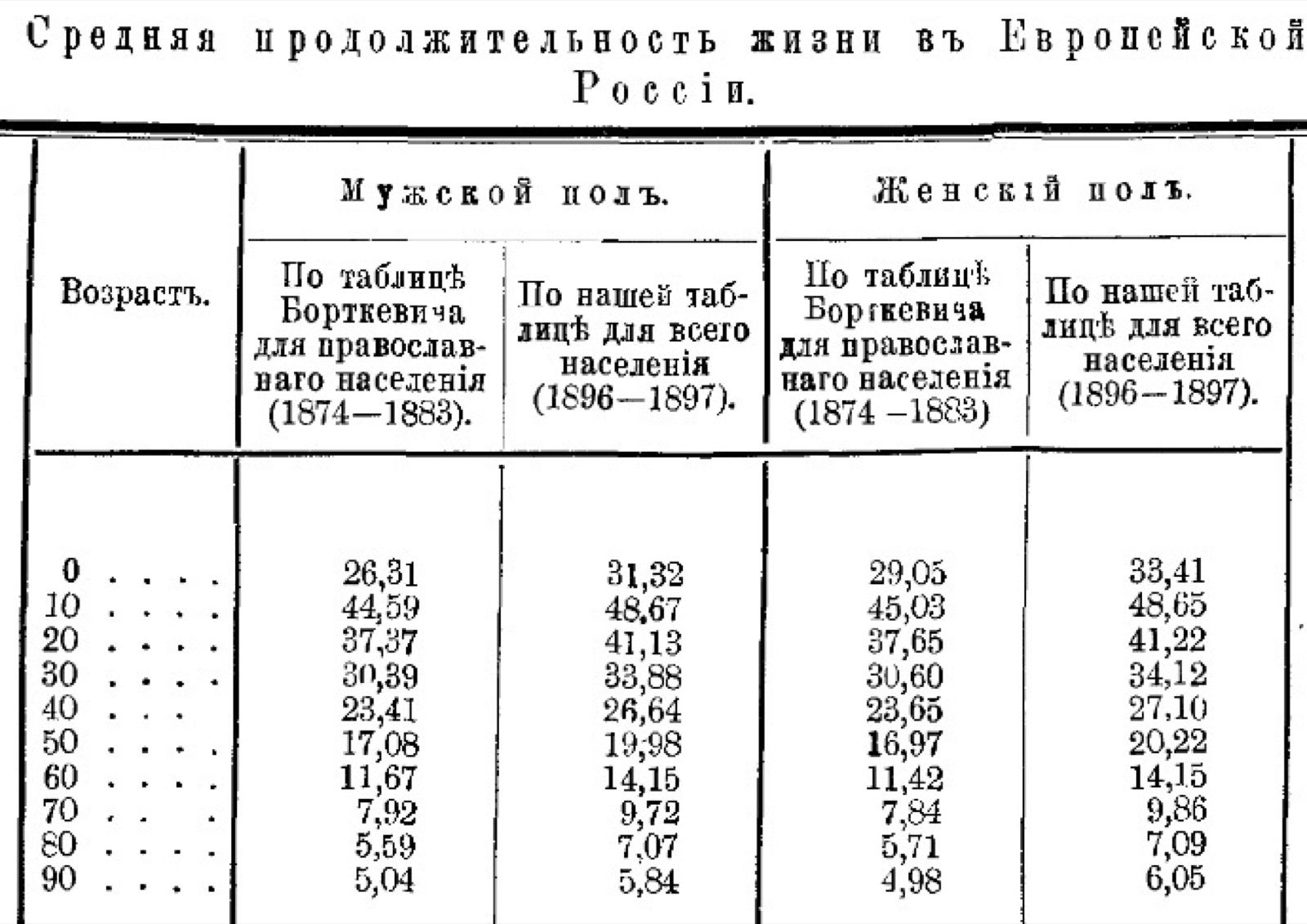
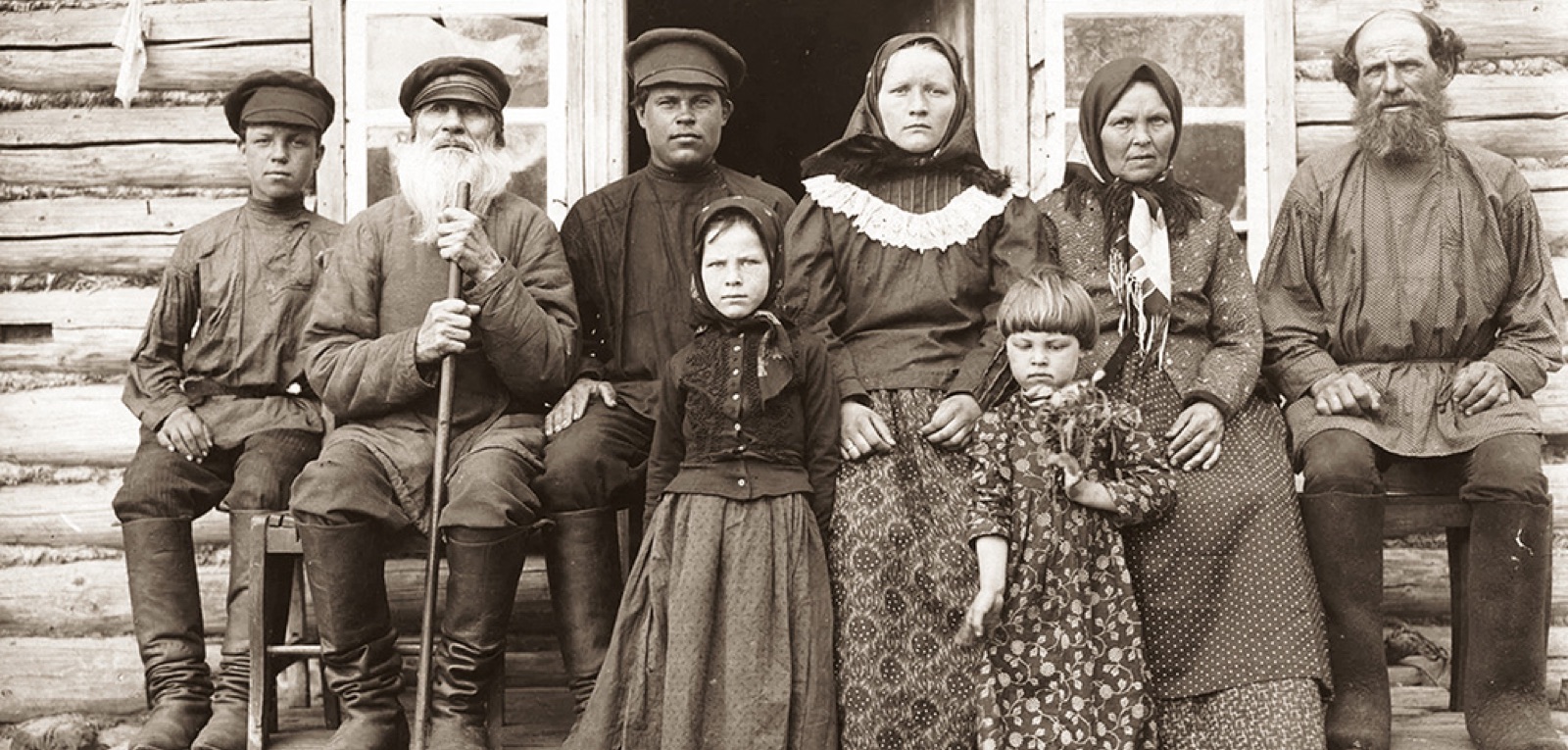
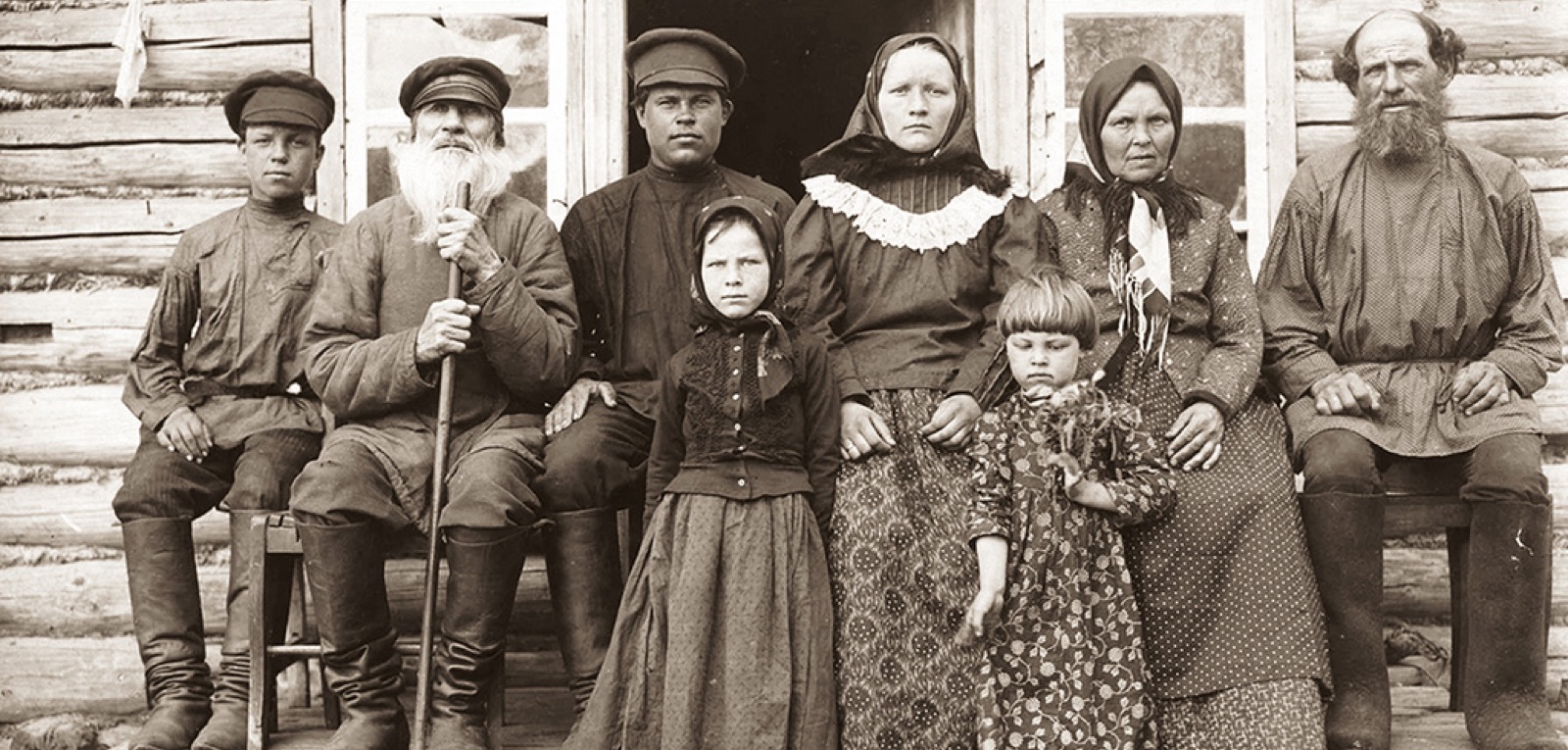
Boys died more often than girls in infancy. Of a thousand deaths, 388 were boys and 350 were girls. After twenty the pattern reversed: of a thousand deaths in that age range, 302 were men and 353 were women, largely because of mortality in childbirth. Studies based on parish metric books show that in 1867 Orthodox peasant men married at 24 or 25 and then lived another 35 or 36 years, so men reached around 59 to 61. Peasant women married at 21 or 22 and lived another 39 or 40, reaching 60 to 62 in total. Entries for people who died at 70, 80, or older are common in the parish books.
You also find genuine centenarians among the peasantry — people who reached a hundred and beyond. The accuracy of those entries is worth questioning, since peasants did not always know their year of birth and there was no way to check, but the longevity itself is documented.