From the press of pre-revolutionary Russia.
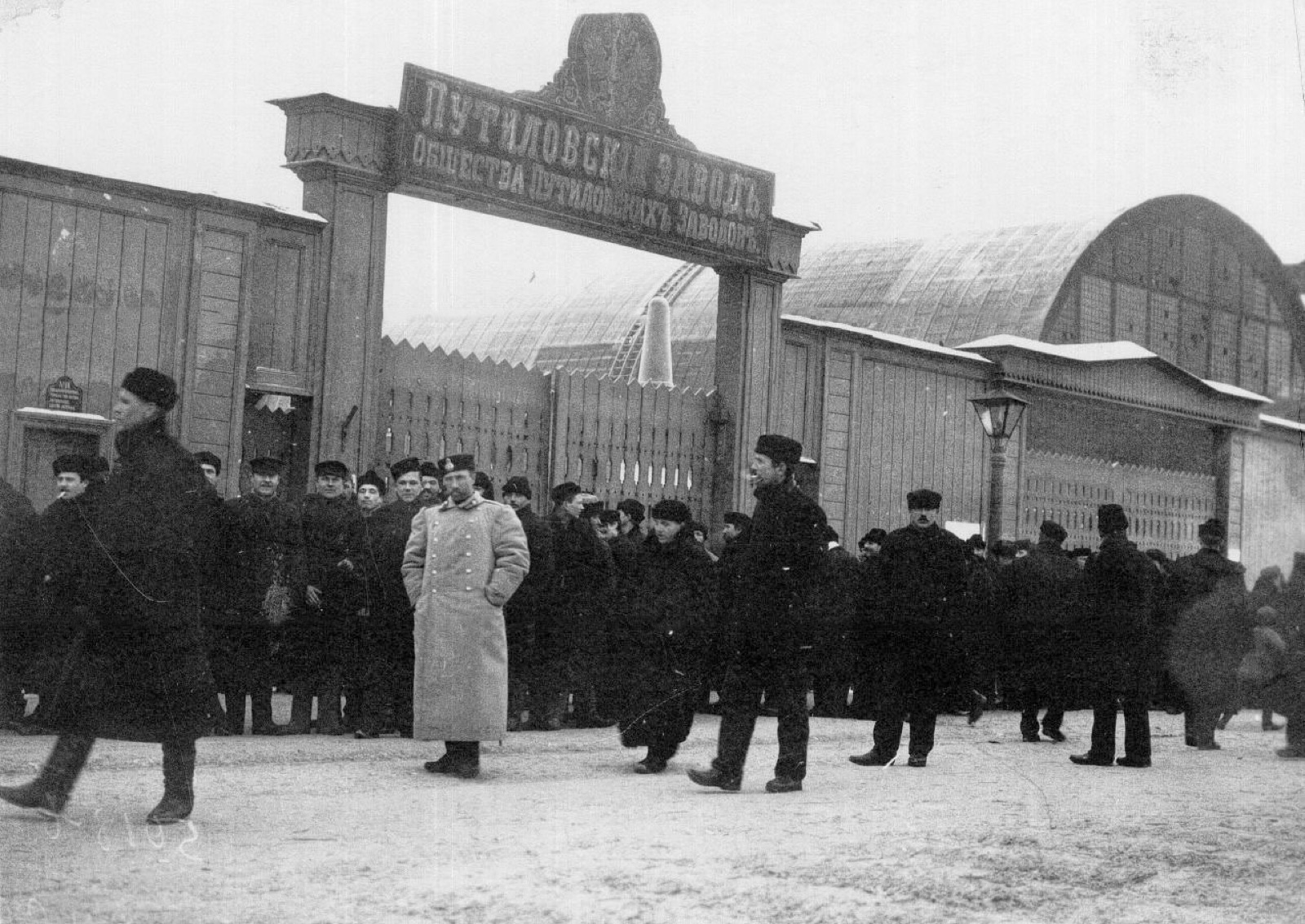
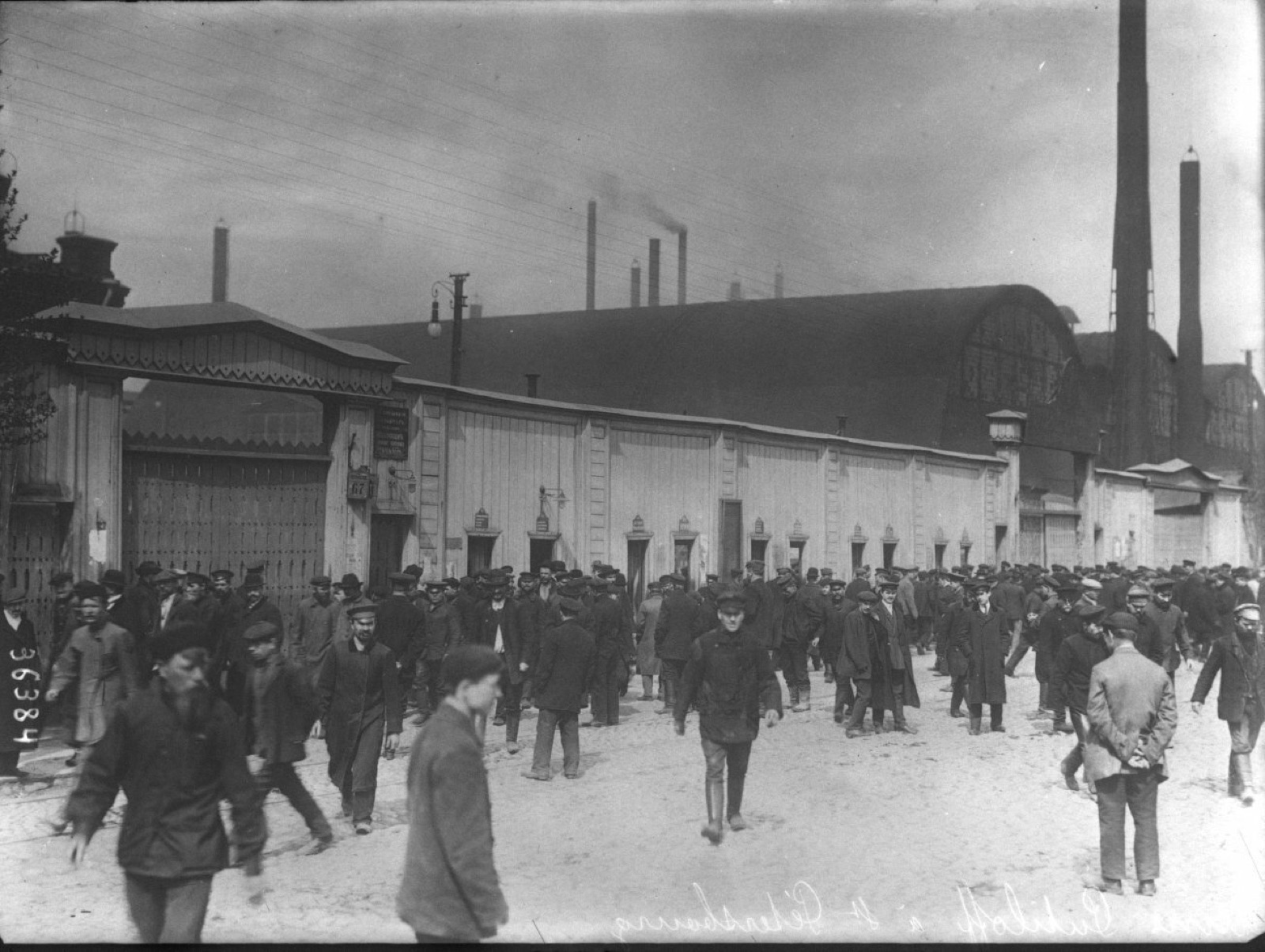
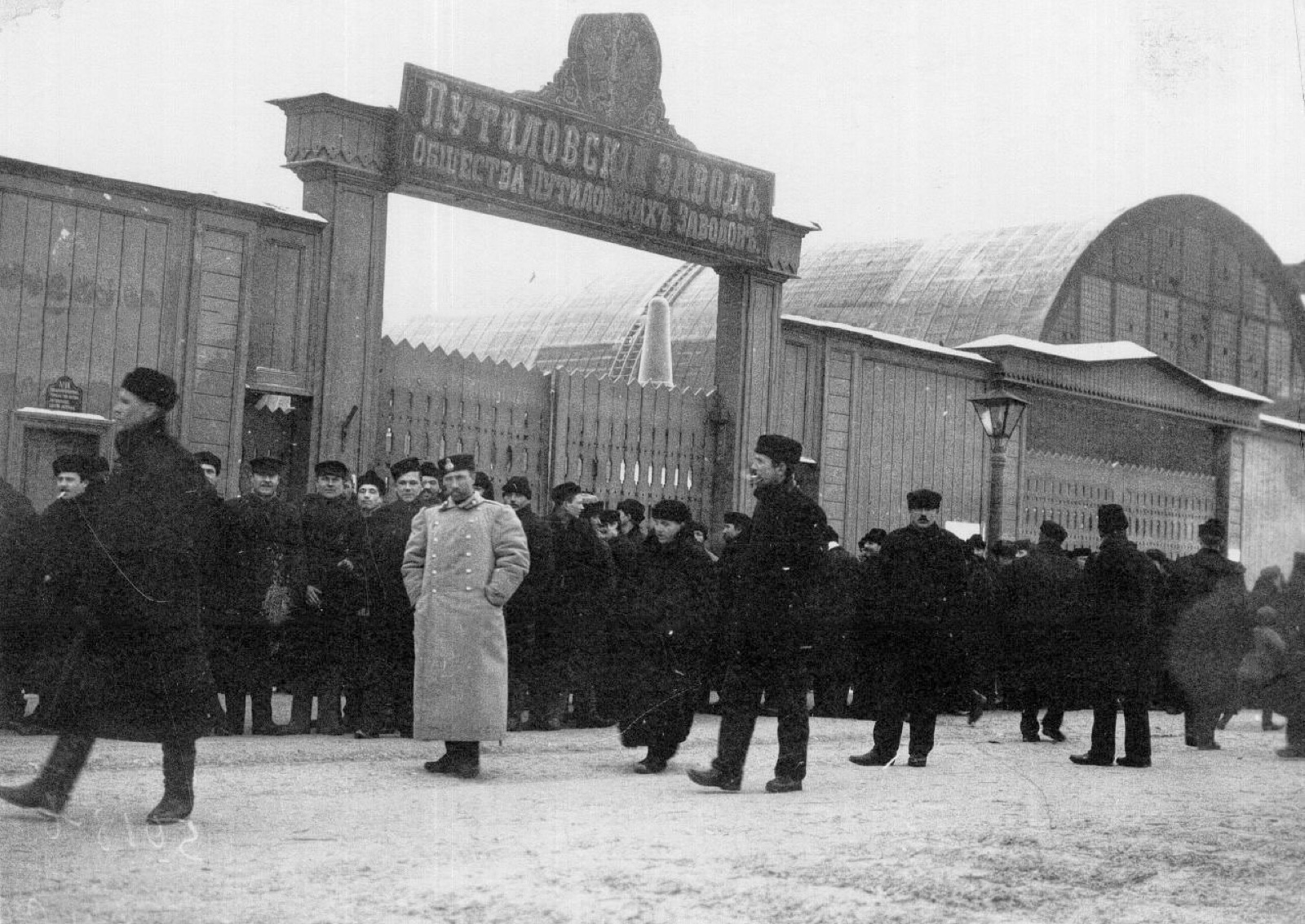
The Saint Petersburg city council recently took up the question of housing for the city's workers. The chief factory inspector, G. O. Raykovsky, gave the assembly numbers that made hard listening. The cheapest accommodation available, that is the least suitable for human habitation, was entirely occupied by factory people: attics, cellars, half-basements, corner rooms, and so on. Sanitary conditions in these dwellings, if you can call them dwellings, left everything to be desired. The workers had no choice. A small flat of one room and a kitchen on the city outskirts cost twenty-five roubles a month without firewood, an impossible sum for a factory hand. So they crammed into attics and cellars, or, where a tolerable room had been rented, the room then filled with people. Raykovsky reported in his speech that one flat with a single room and a kitchen would commonly hold ten people or more. In one such tiny flat he had once counted fifty residents. Through a Petersburg winter such tenants reached around 170,000; in summer the figure doubled, though many of those who came to the city for seasonal work simply slept in the street or in flophouses where the crowding made sleep impossible. Small wonder, the inspector said from the platform, that the working man, in order to escape his living conditions, walked from the factory gates not home but to the tavern, where the day's wages went the way of every previous day's wages. He drank to escape poverty and to soften his existence, and the drink, as everyone knew, only made things worse. The session put forward the proposal that cheap housing must be built so that workers could rest after the day's shift in decent conditions instead of going straight from the gate to the nearest tavern. Several Saint Petersburg manufacturers backed the initiative and offered to contribute financially. The factory worker, it was hoped, would now find affordable housing and a way to rebuild his domestic life.