More people now want to know where they came from. Until recently it felt enough to know yourself and the people in the same flat. The shift is not random — there are reasons behind it.
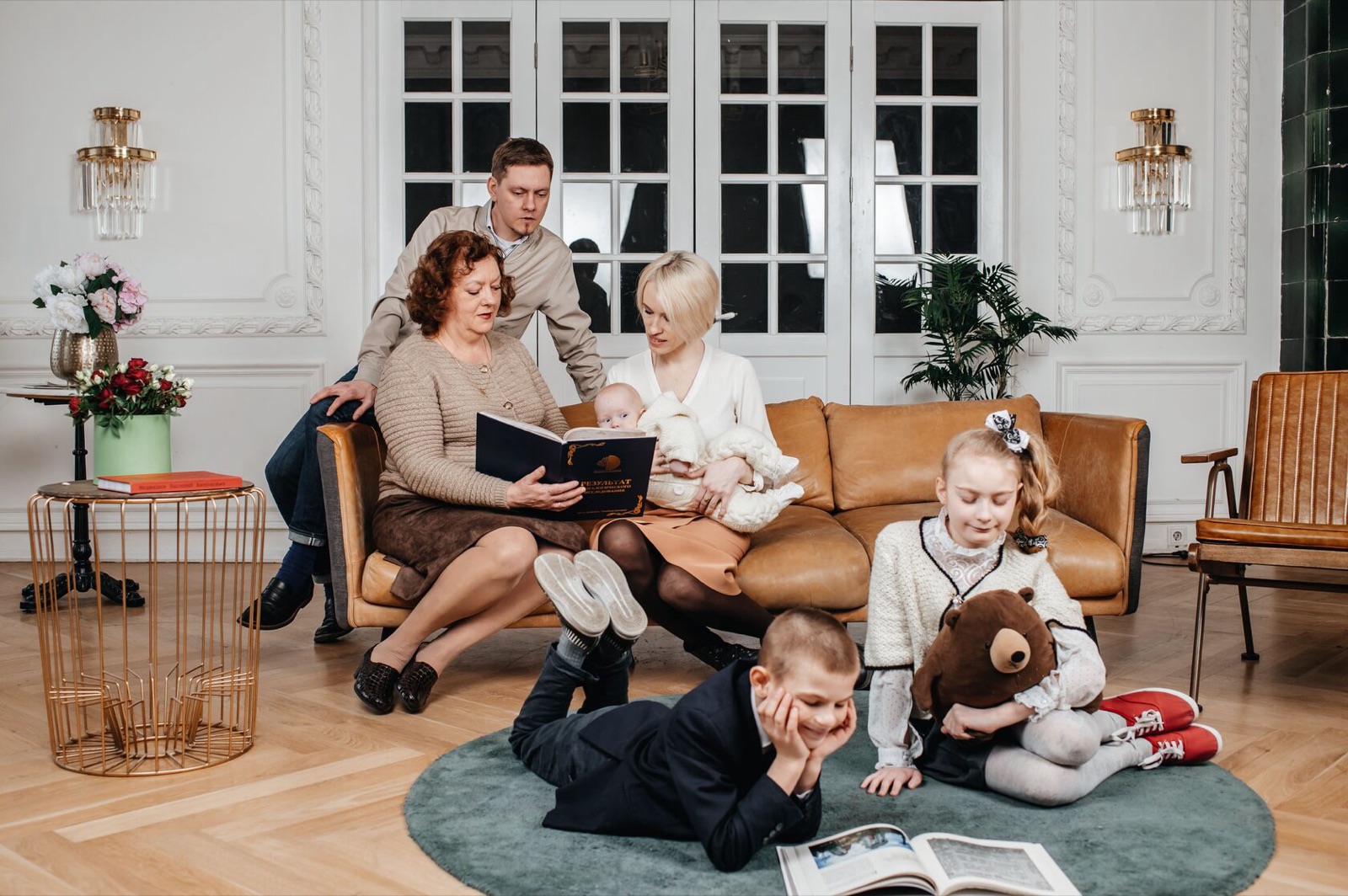
Family memory before the twentieth century
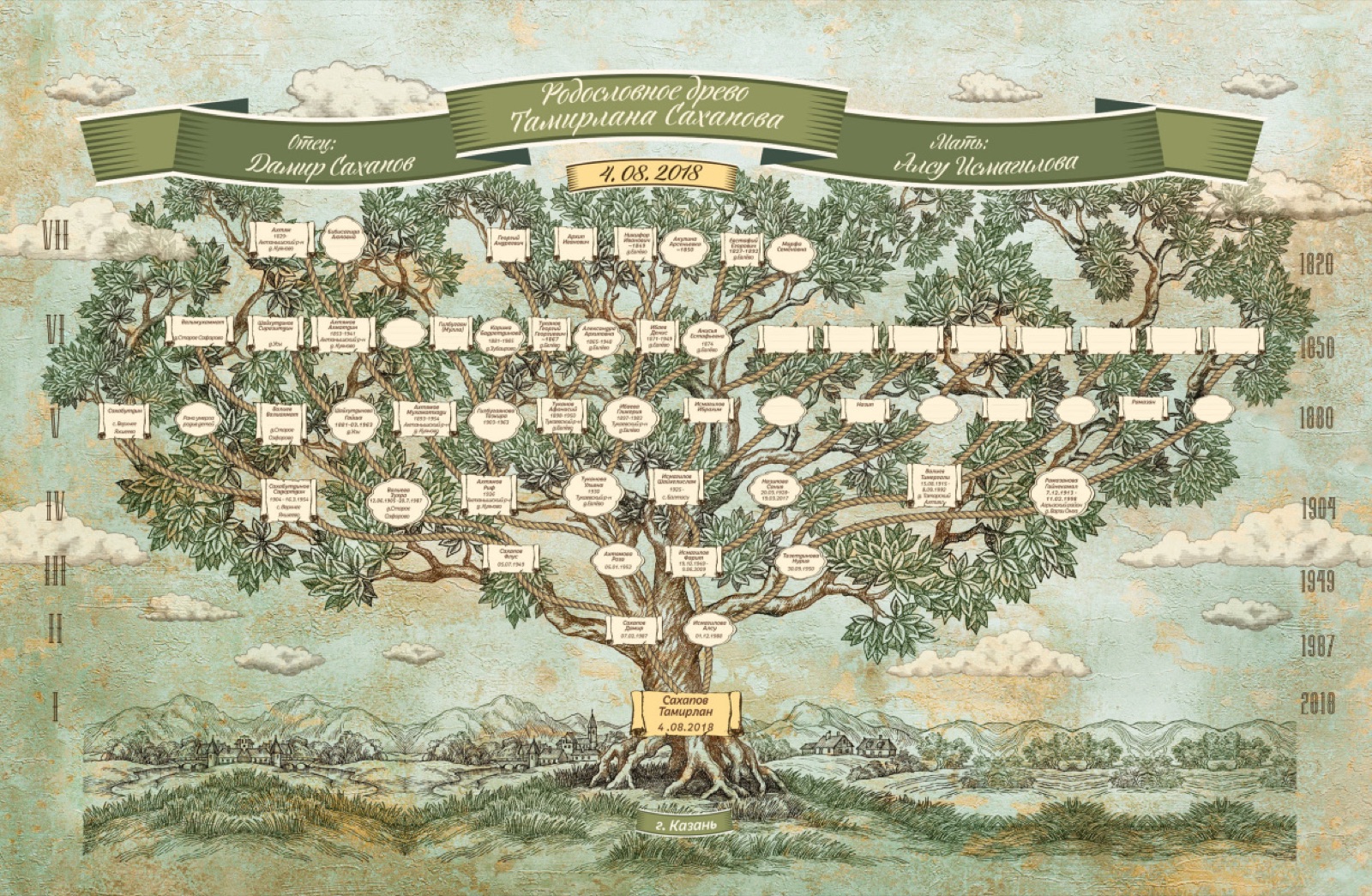
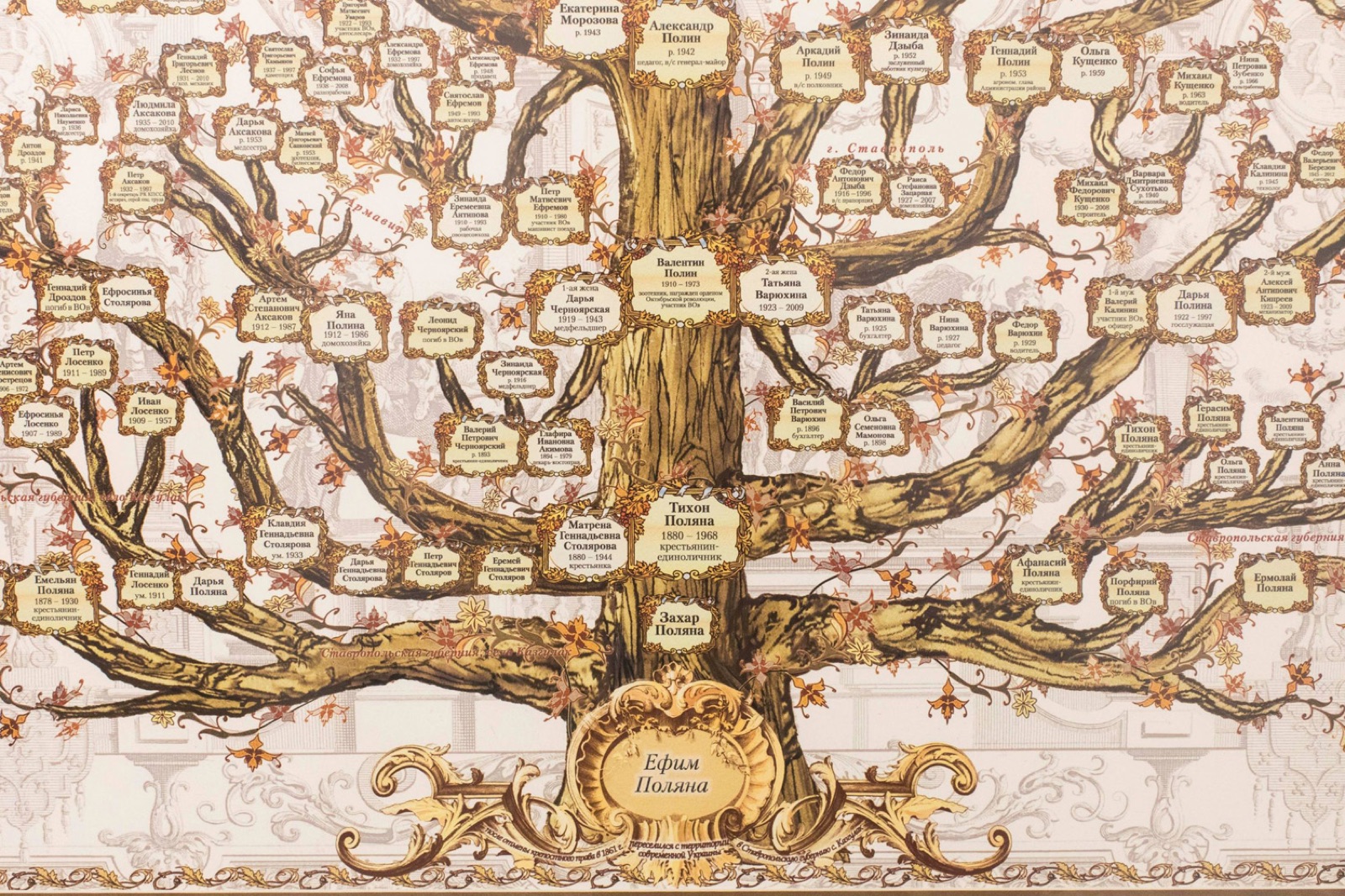
The history of a family's origin, the links between generations of relatives, is what we call genealogy. In earlier centuries, knowing your ancestors and tracing the branches of kinship was simply normal. For the nobility it was a matter of survival — name, lands and capital depended on a documented line. Marriages were rarely about personal sympathy alone; they were political. Two great families could merge to multiply their influence; a poor but ancient name could be traded against a wealthier untitled one.
Peasants had no need to prove kinship in writing, but they also kept track of their forebears, respected their memory, and passed family stories down orally.
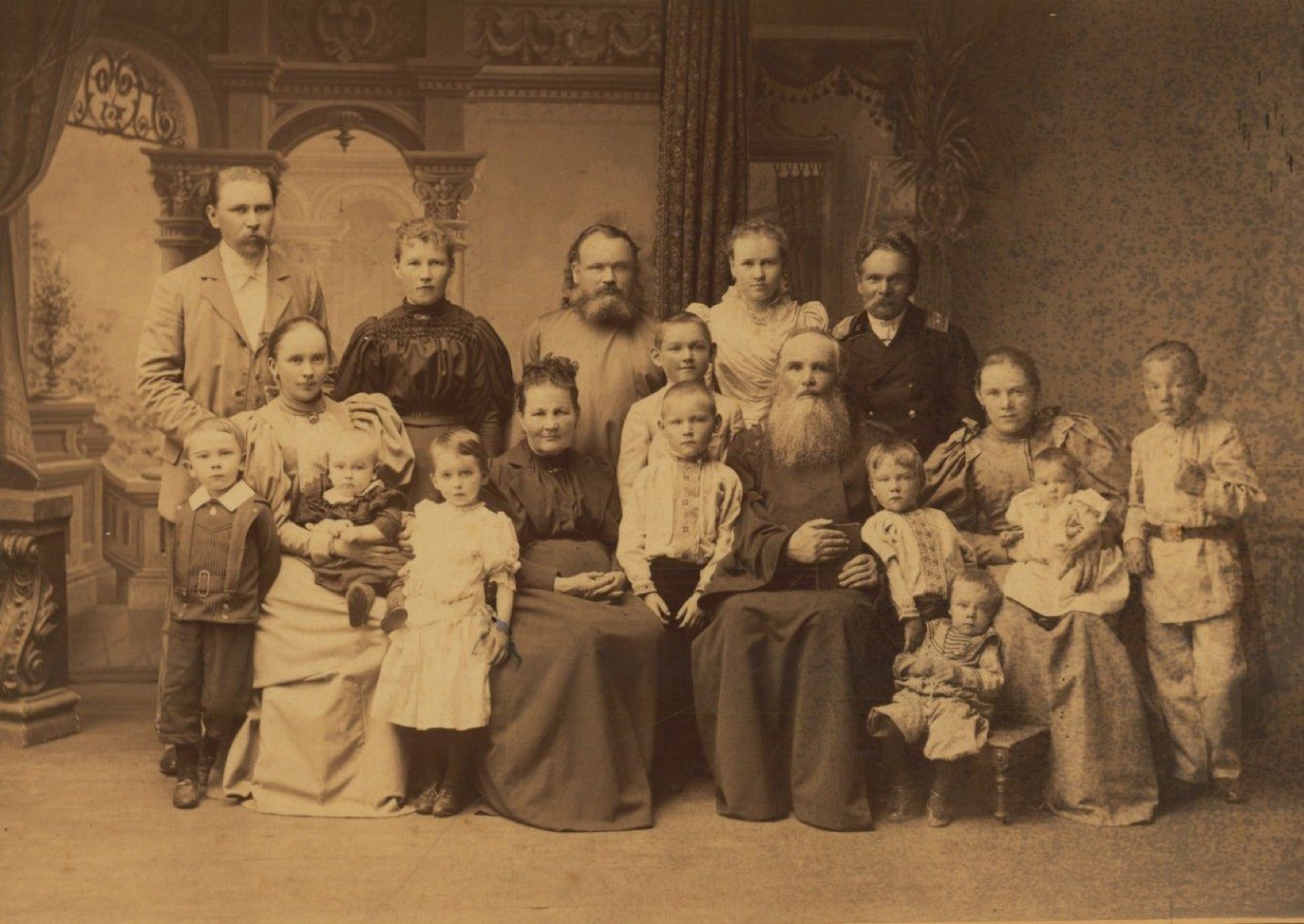
Professional dynasties
In the old days many trades passed from father to son. Continuing your father's craft was considered honourable.
Manual trades
A man who worked with his hands taught his children from a young age. The blacksmith, the potter, the carpenter pulled their sons into the workshop. Boys are drawn to their fathers anyway, and they picked up the basics while watching. Many became apprentices, then journeymen, then masters next to their fathers.
Merchants and entrepreneurs
A businessman who built something from nothing wanted to hand it to his children. In the tsarist period most large enterprises were run by one family. Strangers were brought in rarely; the family was the support structure. The Yeliseyev trading house began with Pyotr, who worked as a gardener. With a large bonus from his employer he opened a small shop. By the start of the twentieth century the gardener's sons ran enormous warehouses and owned ships, with branches abroad. The Demidov dynasty started from Nikita the blacksmith, famous for casting fine muskets. His son Akinfy turned that capital into a metallurgical plant, and by the nineteenth century the Demidovs were the richest family in Russia.
Medicine, teaching, jewellery
Children of doctors usually grew up around medical books and conversations and tended to follow their parents into medicine. Sergey Botkin, physician to the tsar, had sons who became doctors. The same happened with Vishnevsky, the surgeon whose ointment is still in every Russian kitchen. Teachers brought their daughters into teaching. Jewellers shaped their children's hands at the bench from a young age. The art was passed in private workshops, not in schools.
Circus and theatre dynasties
Children who grew up backstage at the circus or theatre rarely imagined any other life. The Zapashny dynasty, now famous worldwide, started with the comic Karl Tomson, whose daughter married the strong-acrobat Mikhail Zapashny. Their sons became circus performers, tried every genre, and eventually made the family name with their animal acts. The Kantemirovs trace back over 110 years to Alibek Tuzarovich, who founded a school of trick-riding and horseback stunts. His descendants are still riding.
Hereditary trades today
Modern families that continue an ancestor's vocation are rare. Soviet and post-Soviet life rearranged everything. In the harder Soviet decades it was sometimes dangerous to remember certain relatives, let alone continue their work. Approved trades — workers' professions, teaching, medicine — were welcomed; others were closed off. Attitudes shifted later, but going back to an ancestor's craft is not always possible.
- Parents often steer their children away from their own trade — they want them to have an easier life
- Many people simply do not know their forebears any more; the records are lost
- The world has changed, and new tools and trades have replaced the old ones
Not everyone is willing to stand at a forge when they could sit at a screen. Even so, professional dynasties are being founded and revived today.
How different peoples carry their family history
Several peoples of Russia keep their family history carefully. Knowing ten or twelve generations back is still a point of honour.
Chechnya
A Chechen is expected to know the names of seven ancestors and the name of their teyp — the kin group. The adats, the rules of life across the Caucasus, are built on kinship. They protected the population against weak offspring by forbidding close-kin marriages: a marriage is allowed on the mother's side from the fifth generation out, on the father's from the ninth. Kinship was also the basis of power. Mountain democracy worked horizontally, by agreements between teyps and villages, which made it harder for any single clan or leader to monopolise authority. Many teptars — clan books — were lost during deportations, the Soviet decades and the wars. What survives, survives through oral transmission. Chechen tradition recognises eight degrees of kinship; closer blood means heavier obligations and the right to support.
Bashkiria
The Bashkir family tree is called shezhere. It is more than a chart of kinship — it is a legal document. From tsarist times Bashkirs held land, and shezhere fixed the boundaries between holdings. Disputes over land were settled with reference to it. Shezhere come in different forms: schematic with names; running text alternating names and commentary; some include song lyrics; some are entirely in verse. The Soviet years were dangerous for any Arabic-script document, but villagers kept their shezhere all the same. Since the mid-1990s the practice has been revived openly, with festivals and competitions.
Yakutia
A Yakut is expected to know his törüççü — his ancestry — to the ninth generation. The reason is practical: marriage is forbidden if there is shared blood within nine generations. Yakuts lived compactly in the far north, where other peoples did not settle, so to keep the population healthy the rule was enforced strictly. A new kin group began at the tenth generation. Marriage outside the people only became possible after Russian incorporation in the seventeenth century. A nineteenth-century traveller wrote of the Yakuts' astonishment at hearing about cities where rich people lived next door to the starving — Yakut custom required that any food, meat or treat, be divided in portions and given to the neighbours and to whoever was in the yurt. Soviet power broke this clan structure. Today, interest is coming back. Many elders still hold oral information that matches what is later confirmed in archives.
Genealogy and psychology
The influence of family on a person is hard to overstate. Genealogy and psychology look distant, but they are linked. Patterns of upbringing, moral codes, ways of behaving are laid down by the family. Family baggage is passed along. The same mistakes and the same scenes repeat across generations until someone notices them. Knowing the history of a family is one way to interrupt those cycles.
Some people, learning what their ancestor did for a living, discover an interest in the same craft and find hidden talents. A lot is transmitted genetically — which is one reason professional dynasties form in the first place. New knowledge about the past sometimes leads to a hobby or a profession.
A person who lives in isolation, with no interest in earlier generations, often feels alone in a way they cannot quite explain. Psychologists return to family history again and again — fears, secrets and traumas hide there, but so do strength and stability. Understanding that five or ten generations stand behind you, that you are part of a longer story, gives a different posture.
How to find the information
The first source is always the living relatives. Patient, careful conversations with close and distant family, written down or recorded. Some people enjoy remembering; others would rather forget. Be ready for both and record what you learn. Researching your own family is detective work — every small lead can become a link in the chain.
The next step is the home archive — old documents kept in a drawer somewhere, and then certificates that can be re-obtained from the ZAGS (the Russian civil registry office) at the relative's place of residence. These documents are what you will need to prove kinship later.
Then comes the internet. A surprising number of sites cover earlier generations — wartime databases, regional registers, genealogical forums. You need at least a starting point: a full name, a date, a place of birth.
After the home and online archives come the state archives — federal, regional, departmental, professional. The more starting data you have, the more likely a substantive answer. The process commonly takes years. It is long, but the rewards are real: the social class of your forebears, what they owned, what they believed, where they came from. Year by year you understand yourself differently. A family history is a real inheritance to leave your children.