
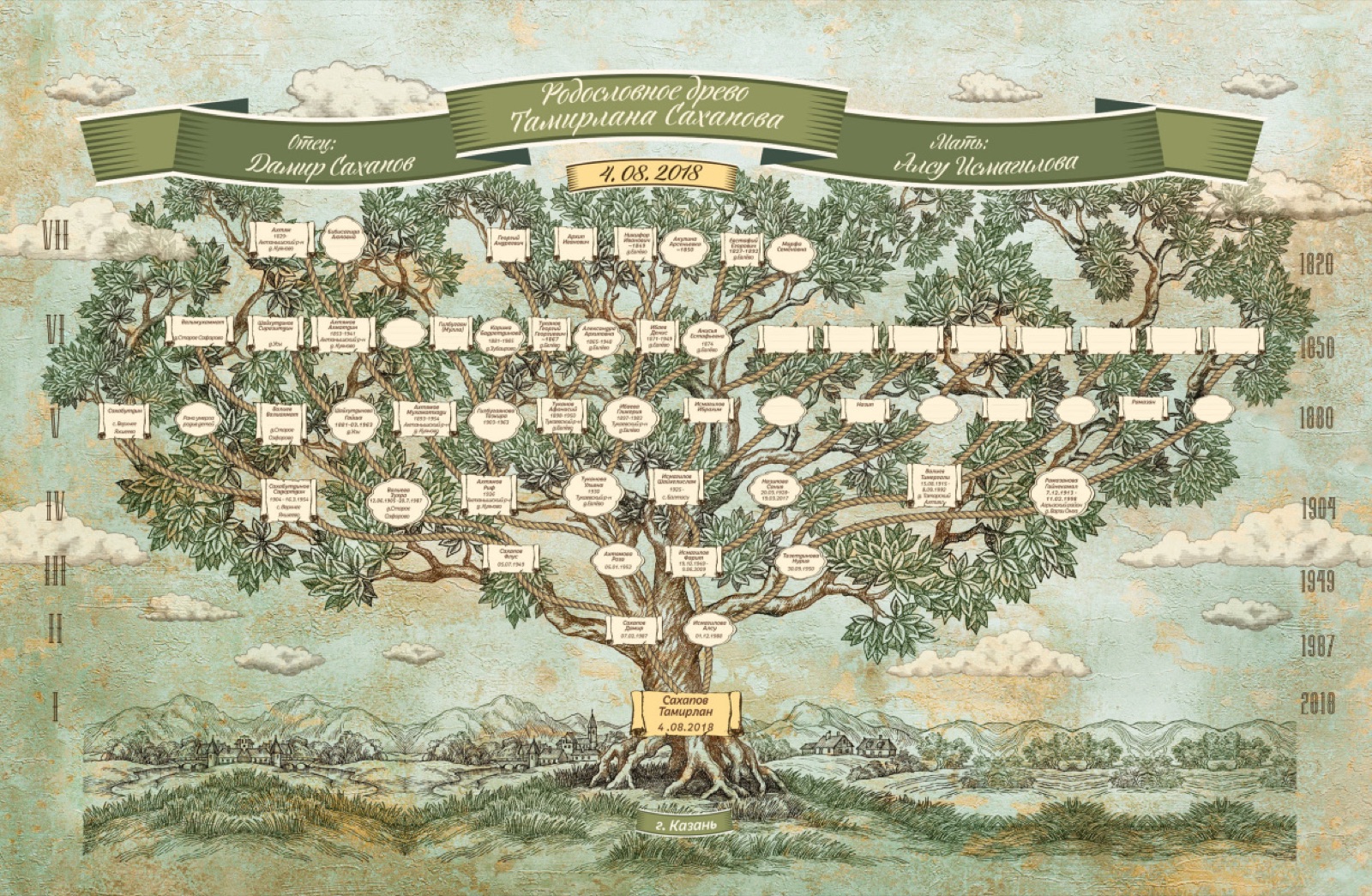
Most people know something about a famous writer, a historical figure, a film star. It is one of the cheap ways of feeling part of a culture. Asking about your own family is, for some reason, considered unusual.
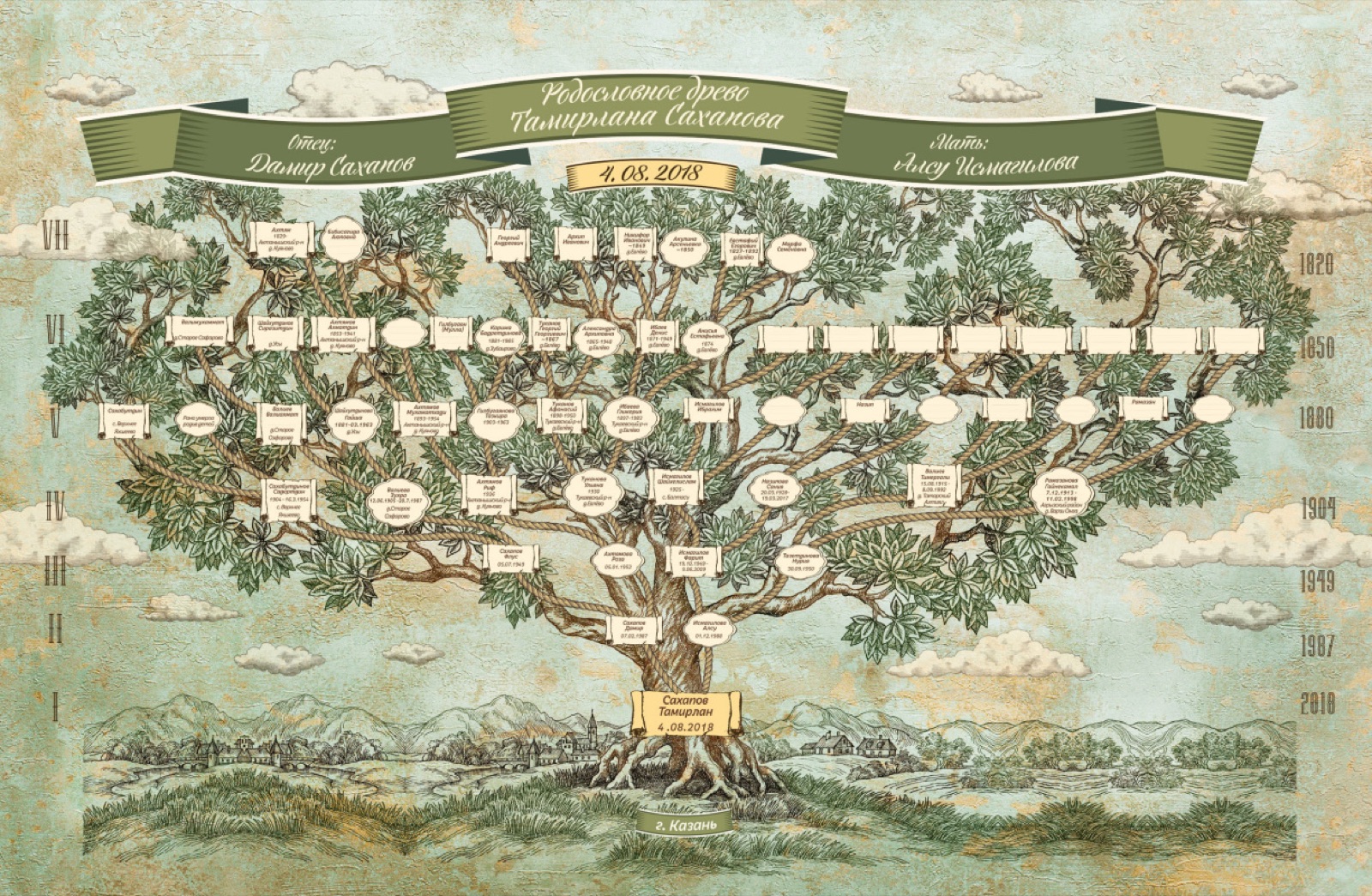
Few of us have famous people in the family. So the shrug comes naturally: why bother, what would it change? It changes more than you would think.
First, it is interesting. What do you actually know about the character of your great-grandmother? Was she shy in her youth, or a troublemaker? Picture your great-grandfather as a young man — what did he look like? None of them suspected that a hundred-odd years later you would arrive and become curious about their lives. Perhaps a few of them hoped.
Second, knowing what your relatives came through in the past makes the present easier to handle. Ill? They had no antibiotics, no doctor, no strength to walk to the well, and bread to bake. Travelling overnight to another city? Snowstorm, wolves howling outside the sleigh, the road lost in the dark. Some portion of their courage came down to you by inheritance, and it helps to remember it.
Third, once you start the family archive, you become the person other relatives go to. The unofficial chronicler. That role takes time, and it brings its own kind of satisfaction.
Some ethnography
A trip to the town, settlement, or village where your relatives lived is usually worth the effort. Walk the streets, photograph old buildings, try to find the house, the school where your parents studied, the places mentioned in the family stories. Small museums run by enthusiasts — schoolteachers, librarians, local institute staff — are often a source of unexpected material. You may walk in and find your grandfather's letter from the front in a glass case, or your grandmother in a class photograph from the first year of the village school. Talk to older residents. They often remember neighbours and friends in detail, and your relatives may be among them. Take notes, and write down your own impressions of the visit.
Local history books help. A small village may once have been part of an estate whose owner kept a published diary. Old city buildings were put up by patrons; factories were founded by entrepreneurs in the late nineteenth century, many of whom wrote memoirs. The lives of the people who worked those factories and ploughed those fields turn up in those memoirs, even if not by name. Libraries hold this kind of book, and many of them run lectures on the everyday life, the crafts, and the speech of an earlier era — usually without charge.
Building the personal archive
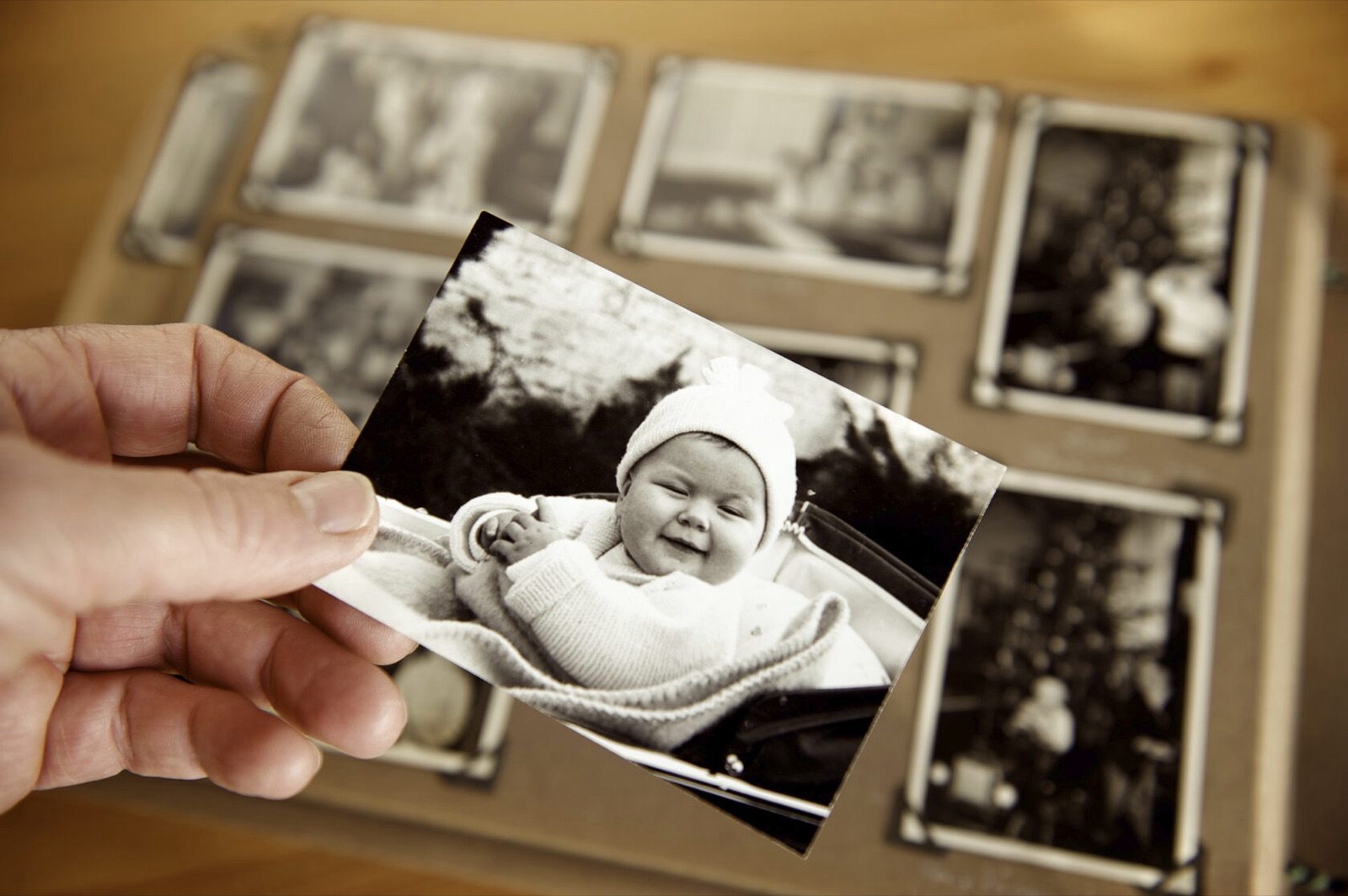
Write biographies of your relatives. Do not trust your memory — within a few months, much of what you learned will have slipped. Even if you have photographs, write a verbal portrait of the person. Then move to the stories that strike you as the most reliable and the most significant. Try to capture their way of speaking, their habits, the way they dressed and moved. Use what you read in local-history books to fill in the background. Do not avoid difficult relatives, but for them, keep to what the documents can support. Skip the negative judgements — write the way you want your own descendants to write about you. Print everything and bind it. That is the seed of your family archive.
A personal collection
The most interesting person to you is, of course, you. Keep notes of events from your own life, photograph the city, the people, the everyday things you walk past without noticing. Cities change quickly, and a photograph of an ordinary street becomes valuable within a decade. Pick up the small objects that remind you of your childhood — pins, calendars, postcards, records, toys. Soviet animation gave us Kuzya the house-spirit, who never parted from a chest of fairy tales. Build your own chest, and open it when you want to remember the good moments.
Getting started
Set aside a fixed time for the work. Treat it as a job or a hobby, but in either case it needs hours. Two a week is enough to make steady progress. Set a concrete goal — a written life of one specific relative, or the genealogy of one line back to a given date. Build a draft tree on paper, so you can see the relationships and pick which branch to chase first. Take stock of the documents and objects you already have in the house. Some of them will look unimportant until you realise they are the only evidence of a particular person's daily life.
Sources, reliable and otherwise
Relatives are the first source. Define the circle you can ask. A second cousin may know more about one of your great-grandmothers than you do. The Ministry of Defence portal (obd-memorial.ru and pamyat-naroda.ru) holds records of Soviet soldiers of the Second World War. Regional state archive websites publish instructions for genealogical requests. Regional Books of Memory list the names of people who were repressed. Use social media to find others researching the same village or the same surname. In time, what you have written may itself be useful to a museum, a library, or a researcher in another field.


