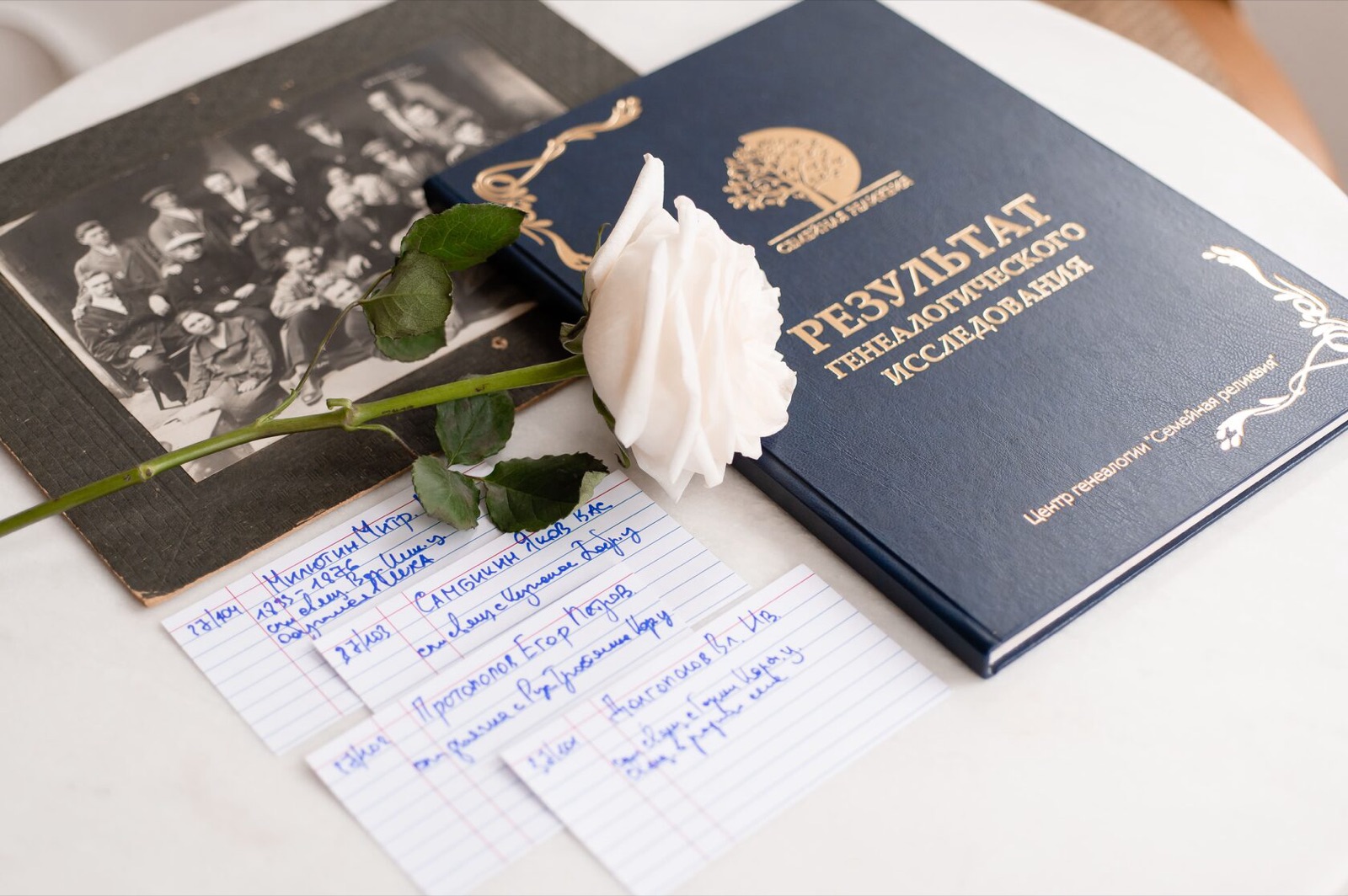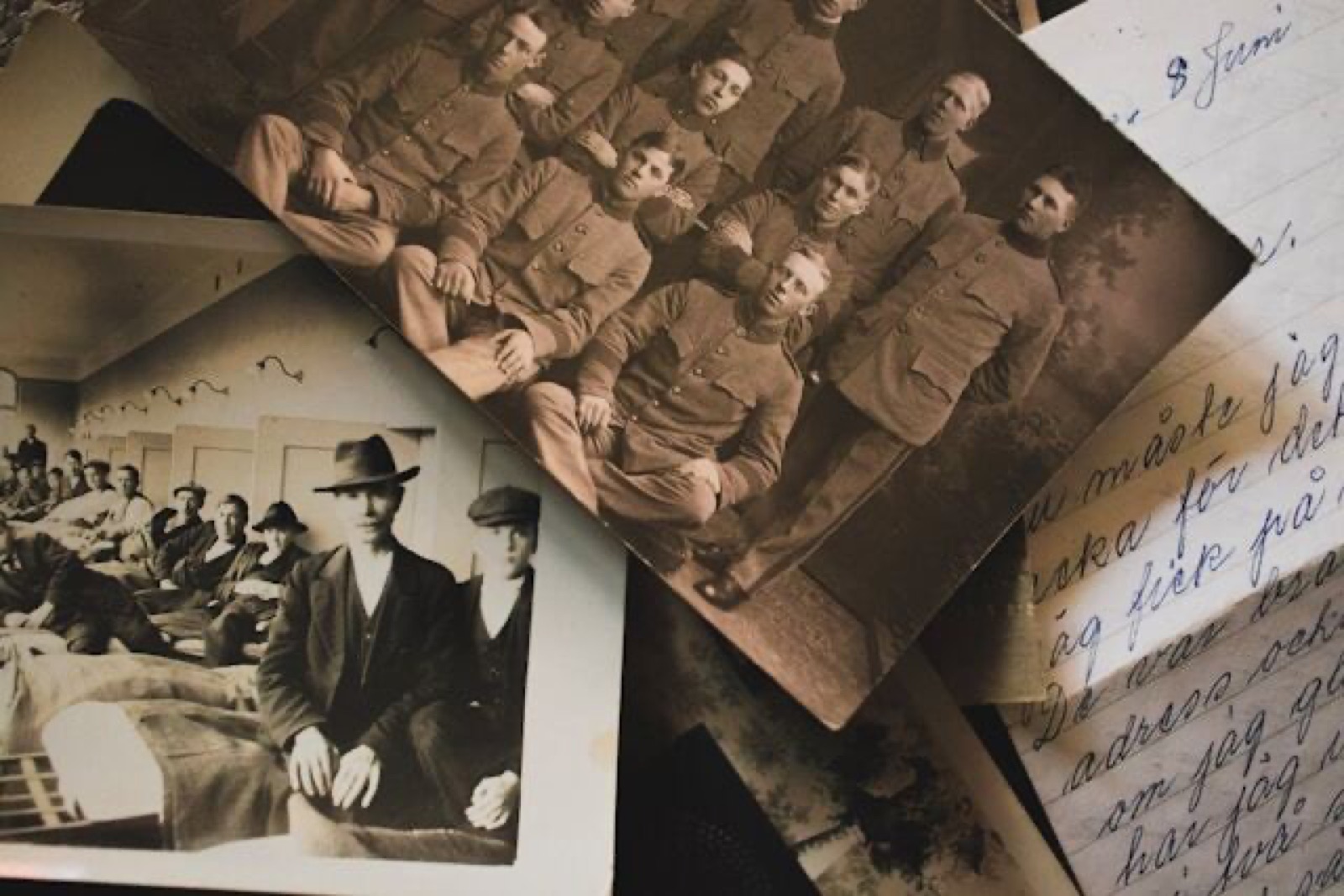
Composing a family history is no longer the preserve of the nobility. It is the wish to find your place in history, to feel that you belong to a line, and to pass that to the next generation. More people now look into their own past, study the achievements and the mistakes of their ancestors, and recognise themselves as part of a longer story.
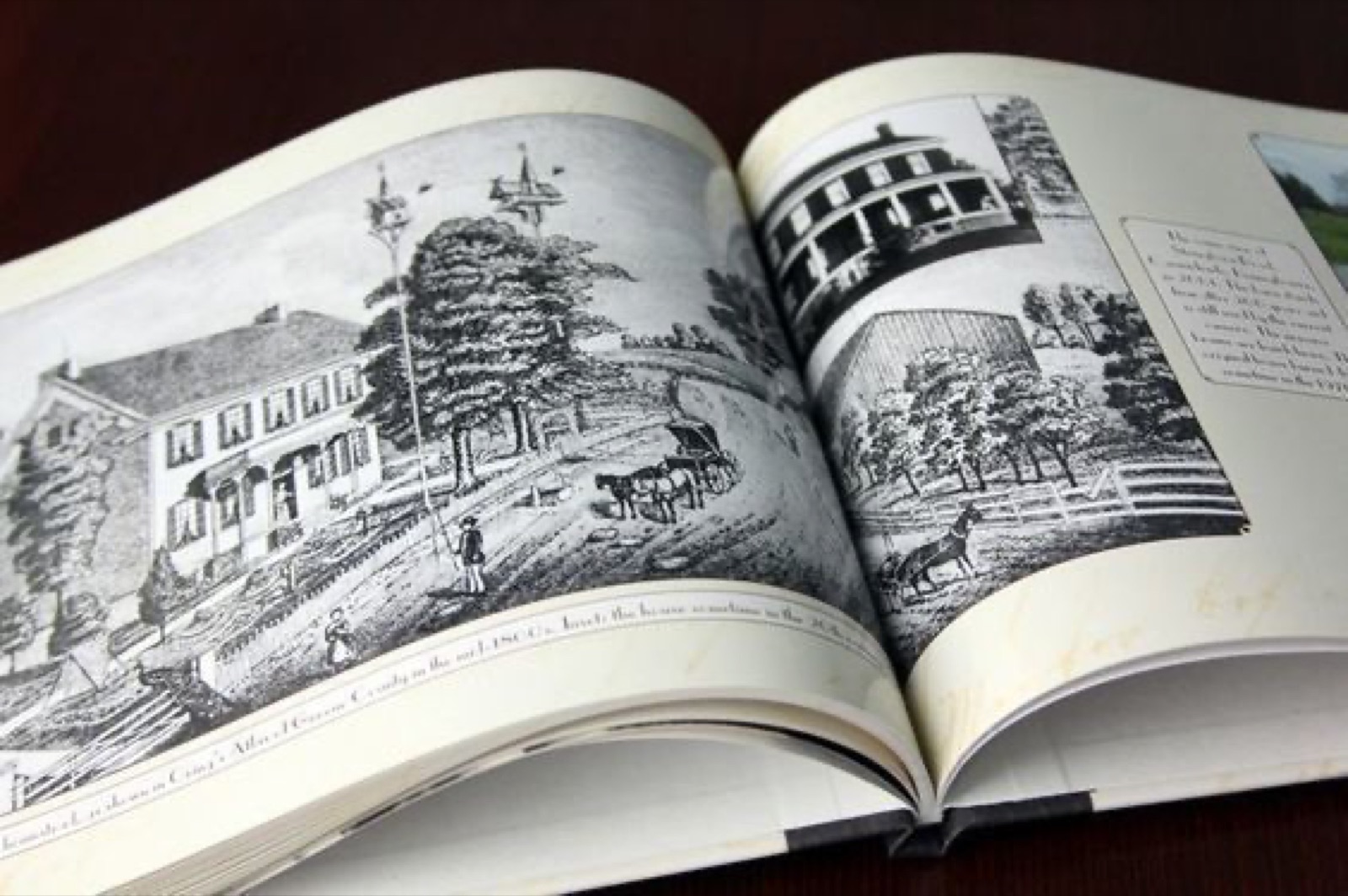
What a family book actually is
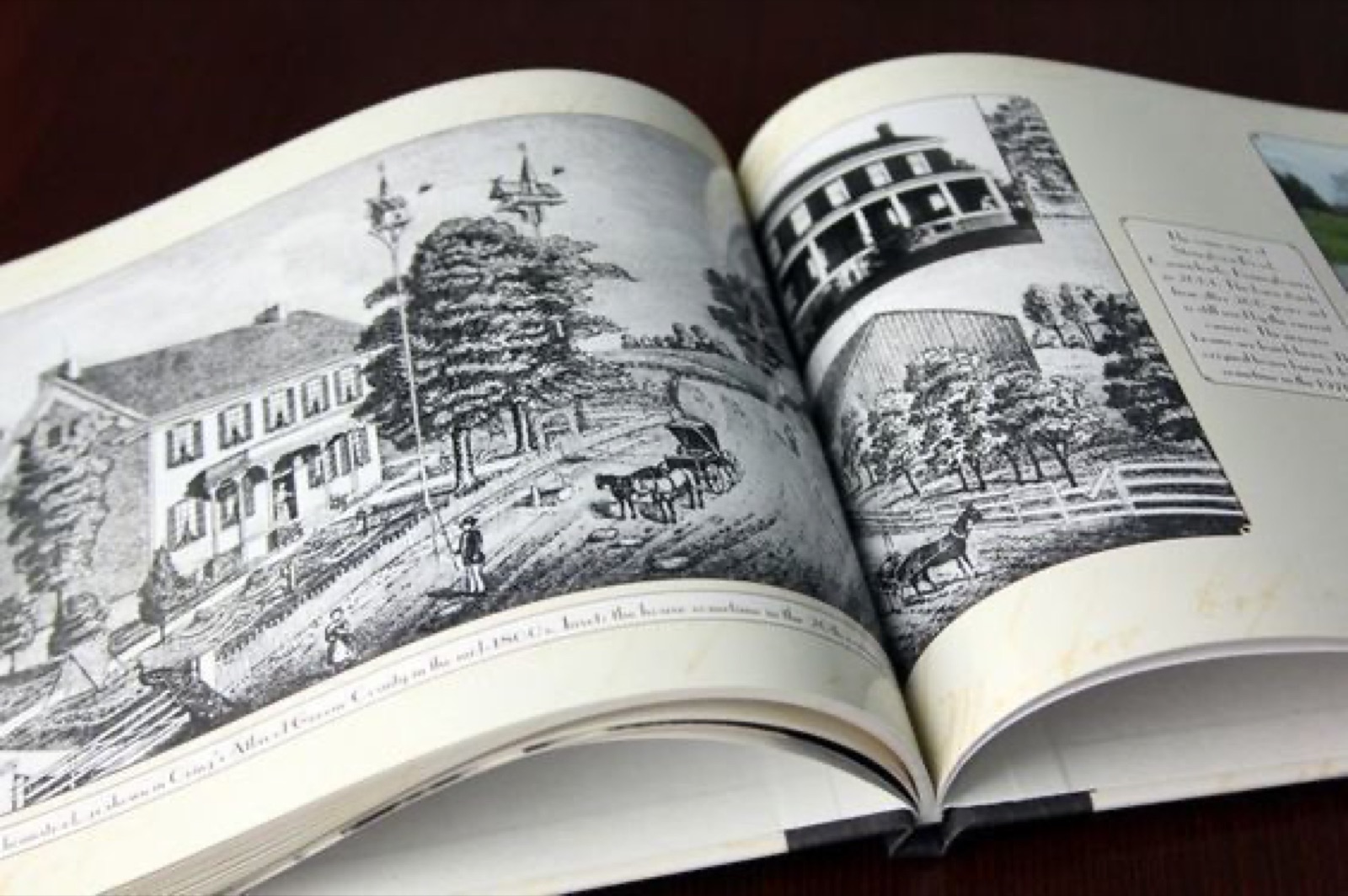
Genealogical research, archival work and going through the home archive produces a great deal of information. That information has to be presented sensibly. The usual final form is the family book. The book lets you tell the family story, lay out the chronology, include the photographs. You can of course keep notes in ordinary notebooks and photographs in ordinary albums. The trouble is that such records are hard to keep over decades and harder still to pass on. If the aim is to produce something of real value that holds the family together, a proper printed family book is worth the effort. These editions are made from materials that last. Owning one tends to make you want to know more.
Two kinds of family books
You can buy a ready-made book to fill in yourself, or you can commission one from professional genealogists. Each option has its place. Ready-made books are uniform in content, with a set chronology and template pages for relatives. They are sold in shops and online. The price range is wide — anything from 900 roubles to around 39,000 roubles. The difference is in the materials and finish: natural leather binding, bronze fittings, semi-precious stones, presentation box. Each version performs the basic role of fixing the family story in printed form. The standard set usually includes a CD with additional templates that can be printed as needed, and often a genealogy program. A book commissioned from genealogists is a different product. The structure, the order of the narrative and the layout are decided by the maker rather than by a template.
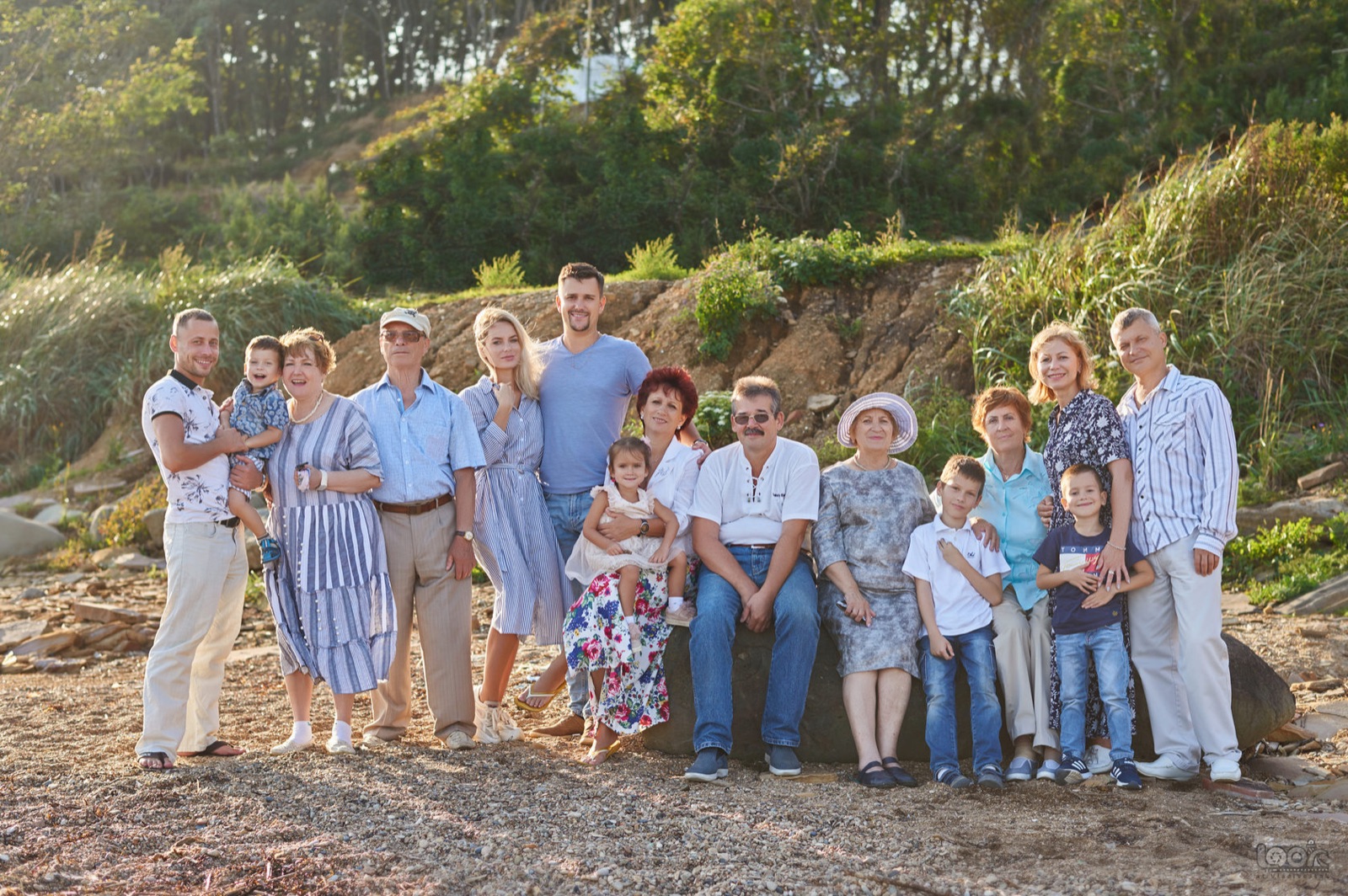
A professional family book
The main difference of a professionally made book is that the information you have is arranged in the most usable way. A genealogist, a designer and an editor work together with the material and deliver something tailored to the family. Systematisation, well-organised and engaging text, makes the book readable rather than just kept on the shelf. The narrative is filled out with the history of the surname, regional notes and historical context. The binding can be anything you ask for. One-off editions with no equivalent anywhere else are possible. If the family's own information is sparse but you want a complete family history, the researchers will run the full investigation to fill the gaps.
Who to give a family book to
A family book is a strong gift idea. The interest in the past, the recognition of one's ancestors and the wish to pass knowledge forward — these are the signs of a person who has arrived. A ready-made book works when there will be no time to fill it in for the recipient — it suits directors, civil servants, senior officers. For people who already have everything, a fine edition is the kind of thing they have not been given before. Editions can be shipped across Russia. For a milestone birthday of an older relative the work is heavier. An empty book will not do; a full edition is the right format. Plan ahead, so the research has time to run and the gaps in the family record have time to fill in. The work of preparing the surprise tends to bring the family closer. The family history, set out properly and bound well, becomes the centrepiece of the celebration. A grandfather, grandmother or parent will appreciate it. Beyond birthdays, a family book also suits a wedding. For the newlyweds, knowing the previous generations is useful — it sets the next steps in context. Continuing the book and passing it on to the children is a tradition worth starting. The Family Relic genealogy centre will help you choose a format that fits the occasion and the person. Order copies for several relatives if you want — the same book becomes a shared heirloom. Family history is worth keeping for the next generation, and that tradition is worth starting.