Ten books worth reading if you want a story carried by a period rather than a setting. Each one rewards the reader who likes to look up dates afterwards.
Ivan Yefremov — Thais of Athens
Thais is a clever and persuasive hetaera who reads the young Alexander of Macedon correctly the first time she meets him. Whatever the campaigns throw at him, they end up in the same room eventually. The book is at its best on Hellenistic philosophy and the geography of conquest.
Walter Scott — Ivanhoe
A young English knight returns from the Third Crusade to find King Richard captive, the country in chaos, and his beloved promised to a usurper. The novel is also a working introduction to twelfth-century heraldry: a knight's arms were his identity when his face was hidden by a visor.
Maurice Druon — The Iron King
Philip IV of France, the Iron King, strengthens the crown and weakens the feudal lords. The Templars push back. The first volume of Les Rois Maudits, and the only family curse that survives both the fourteenth century and Druon's editor.
Victor Hugo — Notre-Dame de Paris
A tragedy bound to a building. Esmeralda, Quasimodo, the priest Frollo. Hugo wrote it partly to save the cathedral from demolition, and it worked.
Alexandre Dumas père — La Reine Margot
Margot, daughter of Catherine de Medici, marries Henry of Navarre and finds herself at the centre of the French wars of religion. Court intrigue done by the master.
Alexei Tolstoy — Peter the First
The rise of Peter I up to 1704: reforms, campaigns, travels, war. The Soviet-era prose is plain but the research is solid, and the period is unfamiliar enough in English that the book still earns its place.
James Clavell — Shōgun
Seventeenth century, a Dutch ship wrecks off Japan, most of the crew die. The English pilot John Blackthorne is spared by a daimyō who suspects his naval and military knowledge might decide the next war of succession. The Tokugawa transition seen from the inside.
Lev Tolstoy — War and Peace
Napoleon is moving on Russia. Some characters see a chance for glory, others want to be left alone with their plans for love and work. A chronicle of Russian life during the Napoleonic wars, and probably the most accurate fictional portrait of how an empire processes a crisis.
Valentin Pikul — At the Last Frontier
Rasputin is one of the more contested figures in Russian history. Pikul follows him through the last decade of the empire, with a long cast of ministers, courtiers, generals, and revolutionaries who saw the same events differently.
Erich Maria Remarque — All Quiet on the Western Front
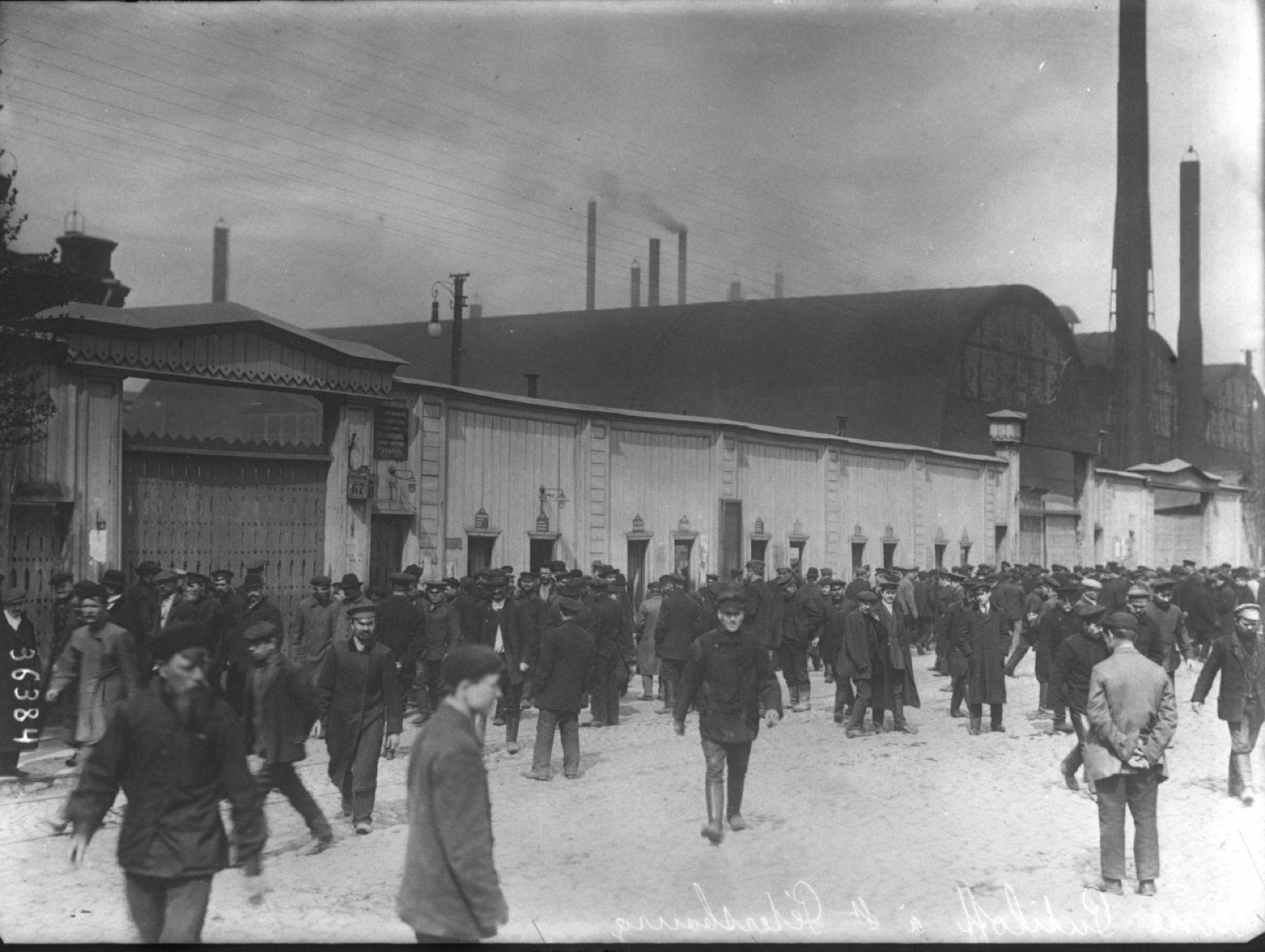
A nineteen-year-old German soldier, Paul Bäumer, volunteers for the First World War. The enthusiasm thins the first time he sees boys who only want to go home. The standard against which all war novels are still measured.

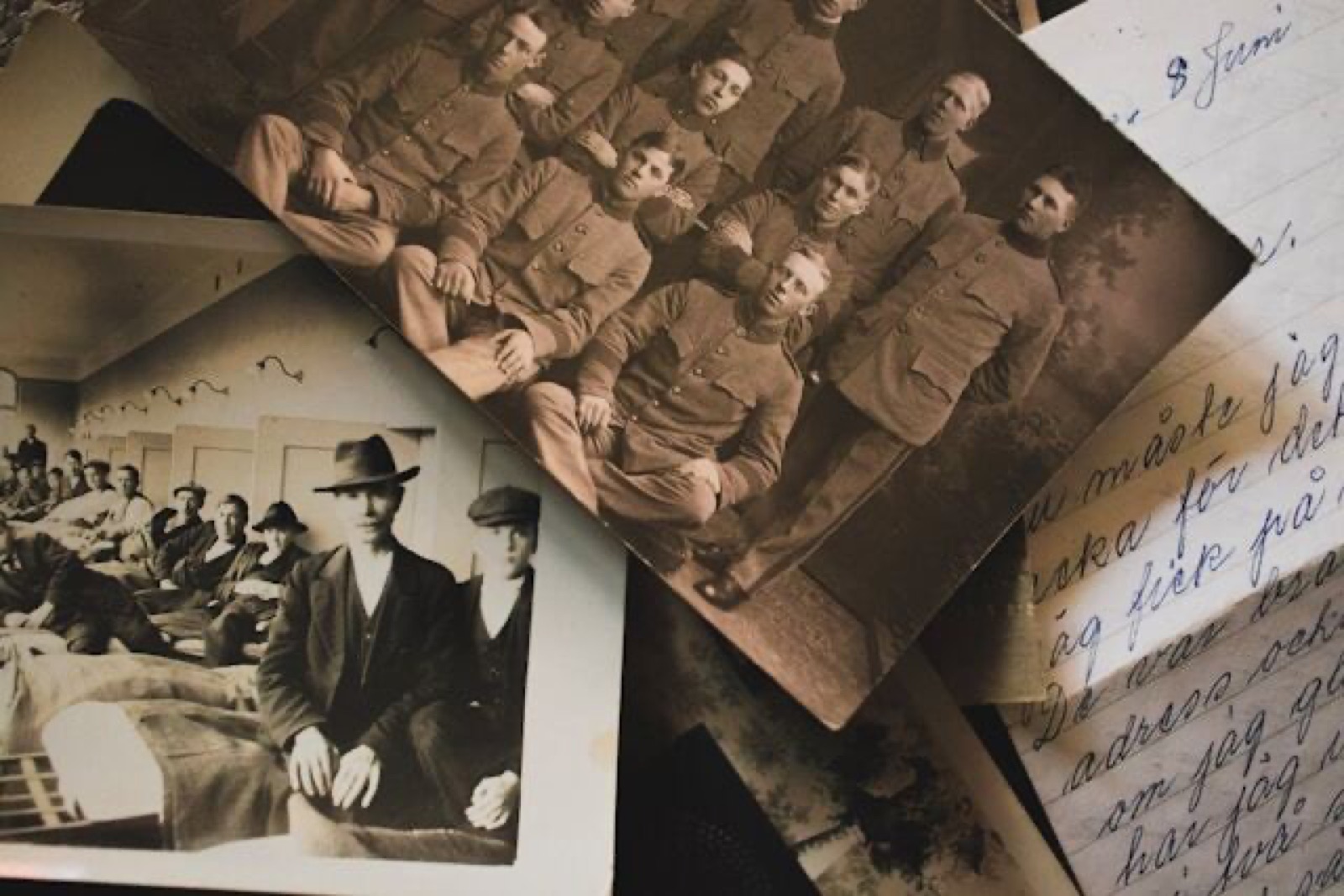
If reading these makes you wonder how your own family lived through any of the same periods, that is the right reaction. The point of a good historical novel is that it sets you up to ask better questions about the people you came from.