A family pedigree is a structured record of who came before you, where they lived, what they did, and how they connect. Done well, it pulls together archival records, family papers and oral history into one document.
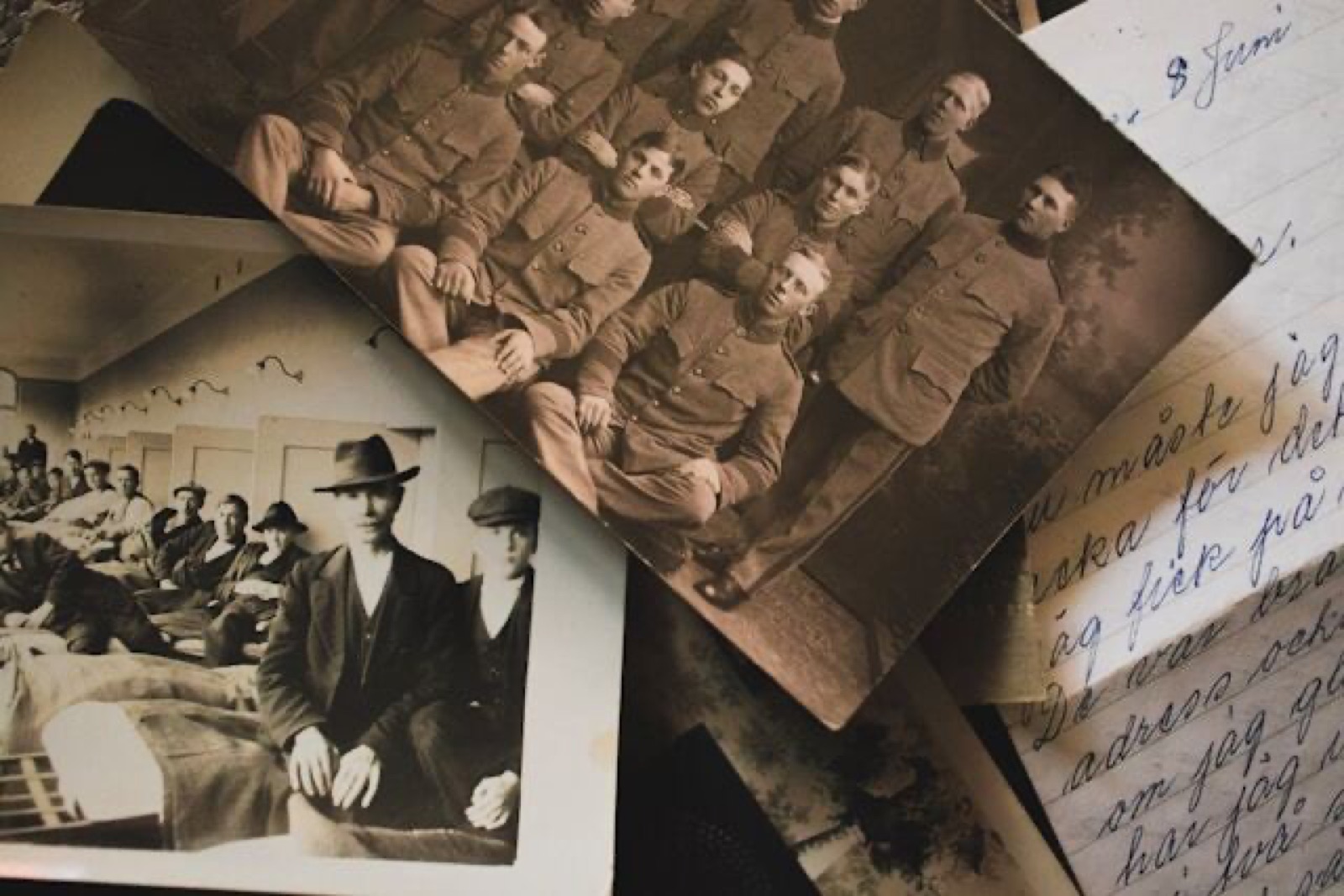
A family tree is a diagram of generational connections. Building one means working in archives but also rediscovering pages of family history that had been forgotten. The history of a line stops being a list of facts and becomes a bridge between generations. Genealogy is now a serious interest worldwide. Combine archives, family records and oral tradition and you can assemble a body of material that will survive for the children.
What a pedigree is
A pedigree is a detailed family history laid out as a diagram. It contains accounts and other information about ancestors, relatives joined by common descent, and the connections between them. It can be a plain chart or a fully developed family tree showing branches and the main moments of each life. Each entry is built from several parts: birth, baptism, marriage, education, profession. Data on a grandfather or great-grandmother lets you reach predecessors who lived several centuries ago. The sources are archives, family papers, sometimes even old paintings or photographs.
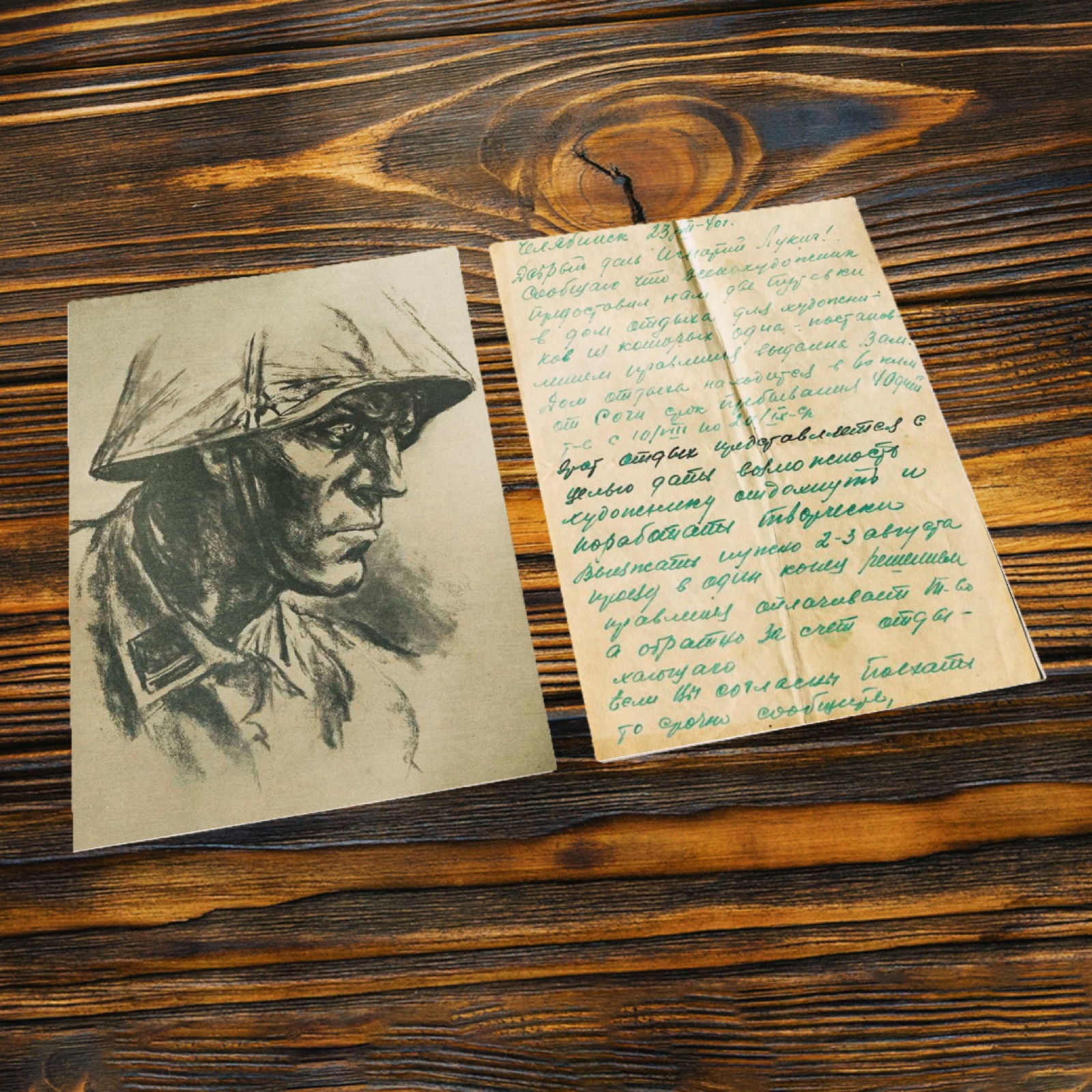
Compiling a pedigree shows who stood at the start of the family. Many Russian families have lines that include relatives who fought in the Great Patriotic War (1941–1945), and the document preserves their memory in a usable form.
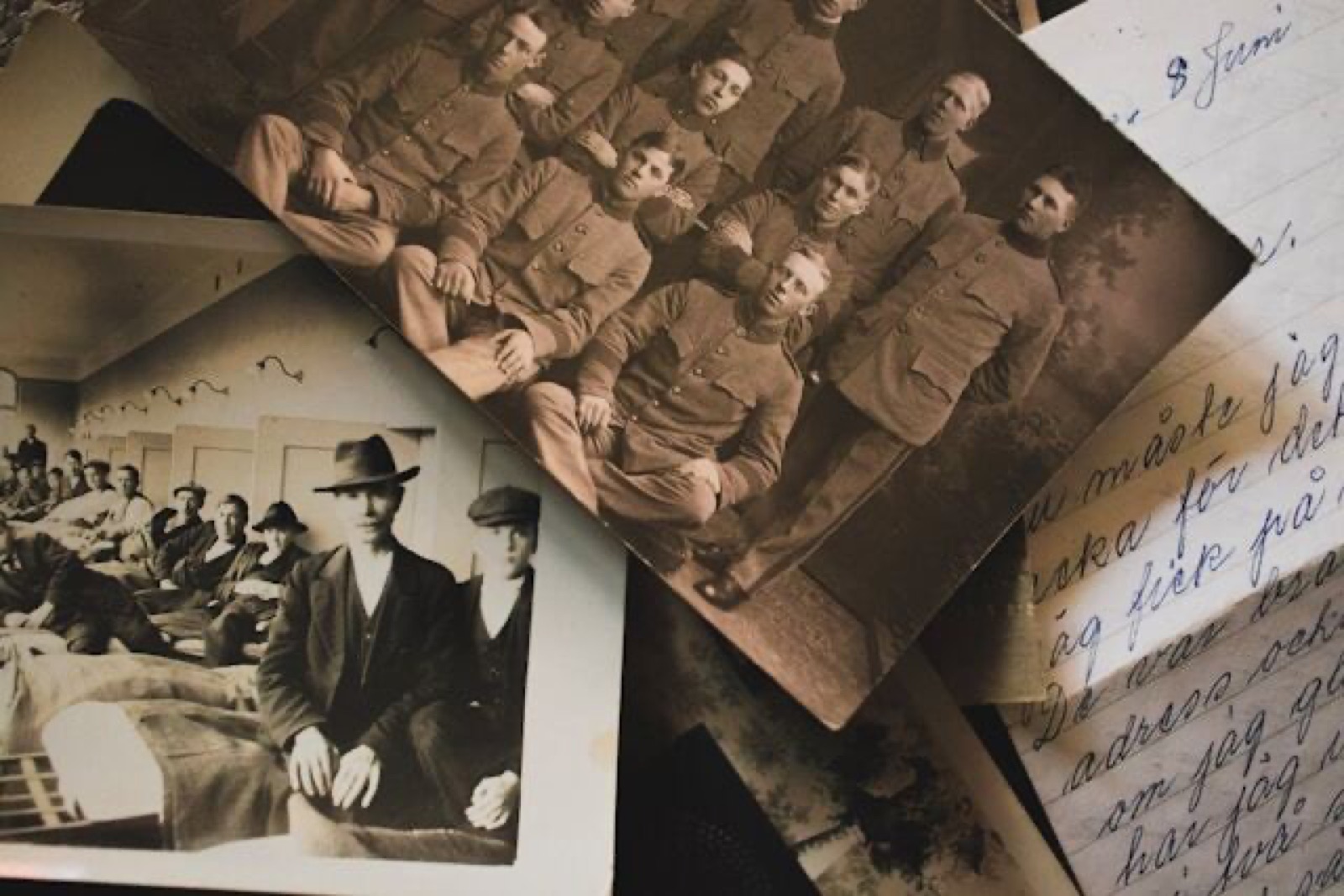
You can build a tree yourself or hire a professional genealogist. Online databases close a lot of the distance: surname traditions, coats of arms, distant relatives. A pedigree can run along the paternal line, the maternal line, or both. Three layers of evidence tend to combine: personal information from close relatives; archival records covering birth, baptism, marriage and death; visual material — photographs and documents that show what the people and places actually looked like. Building a tree takes time, and the result is an inheritance for the next generation.
When pedigrees started being kept
The tradition is ancient. The earliest family records go back thousands of years, when people needed proof of descent for land, inheritance and status. In Russia, the tradition began in the medieval period, intensifying under Ivan the Terrible, when a family's place in the order of precedence was settled by written genealogies. The state treated those books as part of the apparatus of government.
Over time the records grew more detailed. Dates of birth, marriage and death joined the names. By the imperial period, Russian nobles were keeping genealogical books actively. The development of state archives, the appearance of parish metric books (recording birth, baptism and other events) and confession registers (lists of parishioners) made the work easier. Interest revived in the late twentieth century and has only grown. Today, building a pedigree is no longer the province of historians alone — it is a working service that ordinary families commission, using genealogical sites, archive databases and dedicated software.
Why the starting point matters
Knowing how far back the tradition reaches gives you a sense of how deep this practice runs. A pedigree today does not just record data: it captures the texture of family life across periods. The work is personal. Look into the past, find distant relatives, rebuild the connections. The more effort goes in, the more substantial the result.
People who do this work often say it lets them see the family from a new angle. Keep the old documents, the photographs, the notes. They will be valuable several generations on. Precise data becomes harder to recover as time passes, so begin early. The tree pulls the whole line together, including the side branches. The work is heavy, but the result connects generations.
A pedigree has practical uses too. It clarifies inheritance questions. It shows how external events (wars, migrations, epidemics) shaped the family's path. It has cultural value as well as personal value.
Stages of building a pedigree
The first stage is conversation with the relatives who can still speak about the older generations. Note down dates of birth, names, places of residence, key events, with your own comments. A great-grandmother might mention an Alexander who was related — write it down.
After the home stage, work on the documents. Birth, marriage and death certificates, military records, old photographs. If there is little to go on, archives and open online sources fill the gap. Archives in Moscow and other major cities often hold material that decides cases.
Once the data is in, build the chart. Use a clean template or dedicated software. Make several drafts, from a simple version to a detailed one. Mind the side branches and the connections that affect completeness. Then expand outward — where did the ancestors live, what trades did they keep. The final stage is writing it up. Notable family members get their own pages. The whole can become a family book.
Genealogical expertise
A formal genealogical examination analyses documents, archive records and family material. It takes weeks or months, not days. Precision depends on archive access and the specialist's experience. For Russian émigré families an examination is often the way to find out how deep the line really runs, or to confirm involvement in older historical events. A working genealogist deals with large bodies of material and reads the conventions: how surnames shifted, how events were recorded in different periods. Even families who think they know their history learn new facts.
Archive research
Genealogical research is the study of kinship connections. Archive research is one of its central stages. It supplies the documents that confirm dates and events. Confession registers, revision lists and other sources live there. The output is a written report with copies of every document found, and from that report a family tree gets drawn.
Recording the memories
Relatives are often the main source for events that never made it into documents. Recording their memories is part of building a pedigree. It also lets you learn the people themselves, the traditions, the small stories that travel between generations. When they go, the knowledge goes with them. A specialist can help here too — they know what to ask and how to write it up afterwards.
Presenting the tree
The presentation stage gives the work a physical form. A graphic chart, a family book, an electronic project. The tree starts from one person or a couple and branches out across the generations. A workshop can produce a large folded panel, or cut the tree out of solid wood. The standard option is a printed sheet on heavy paper or foam board.
A book of the family
A book preserves the line for the children. It collects photographs, archival material and the personal record. Analyse the documents, gather the photographs, letters and diaries, interview the relatives. Write in plain language. Tell the stories that hold the key events: relocations, wars, family customs. Add a careful design — typography, layout, illustrations. We send the layout to a printer who works to individual specifications.
Why this matters for the next generation
A family tree fixes the stories that would otherwise be lost. It leaves the children a record of the roots, the traditions, the lives. It connects relatives even when they live in different countries. Knowledge of hereditary conditions helps with prevention and treatment. A pedigree can also support claims on family property or ancestral land.