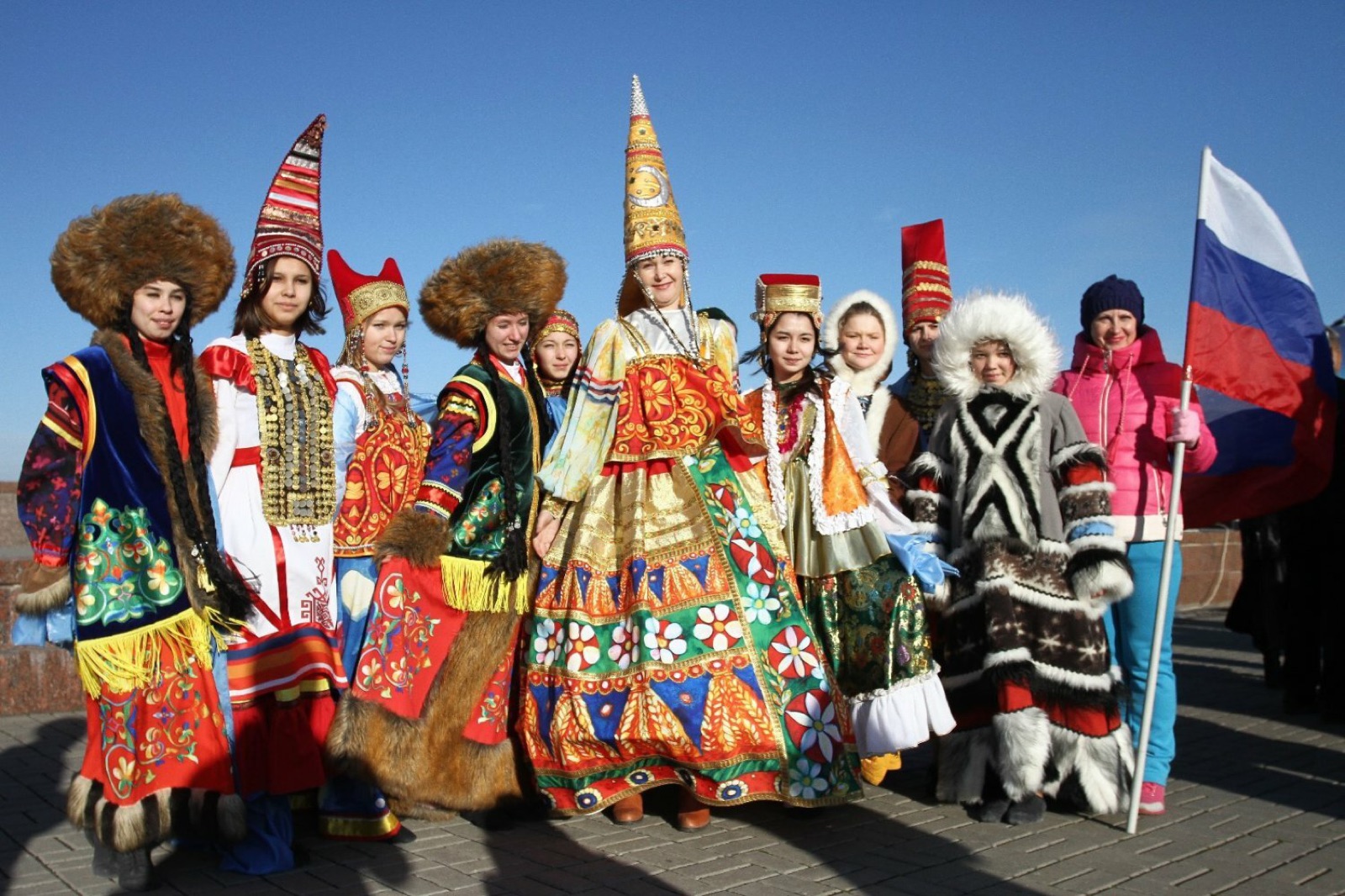
In a country this large and this multi-ethnic, people of very different backgrounds lived alongside each other for centuries. That is why nearly every Russian family tree, at one generation or another, contains an ancestor of another nationality. Most often the line leads to Germans, Poles or Jews.
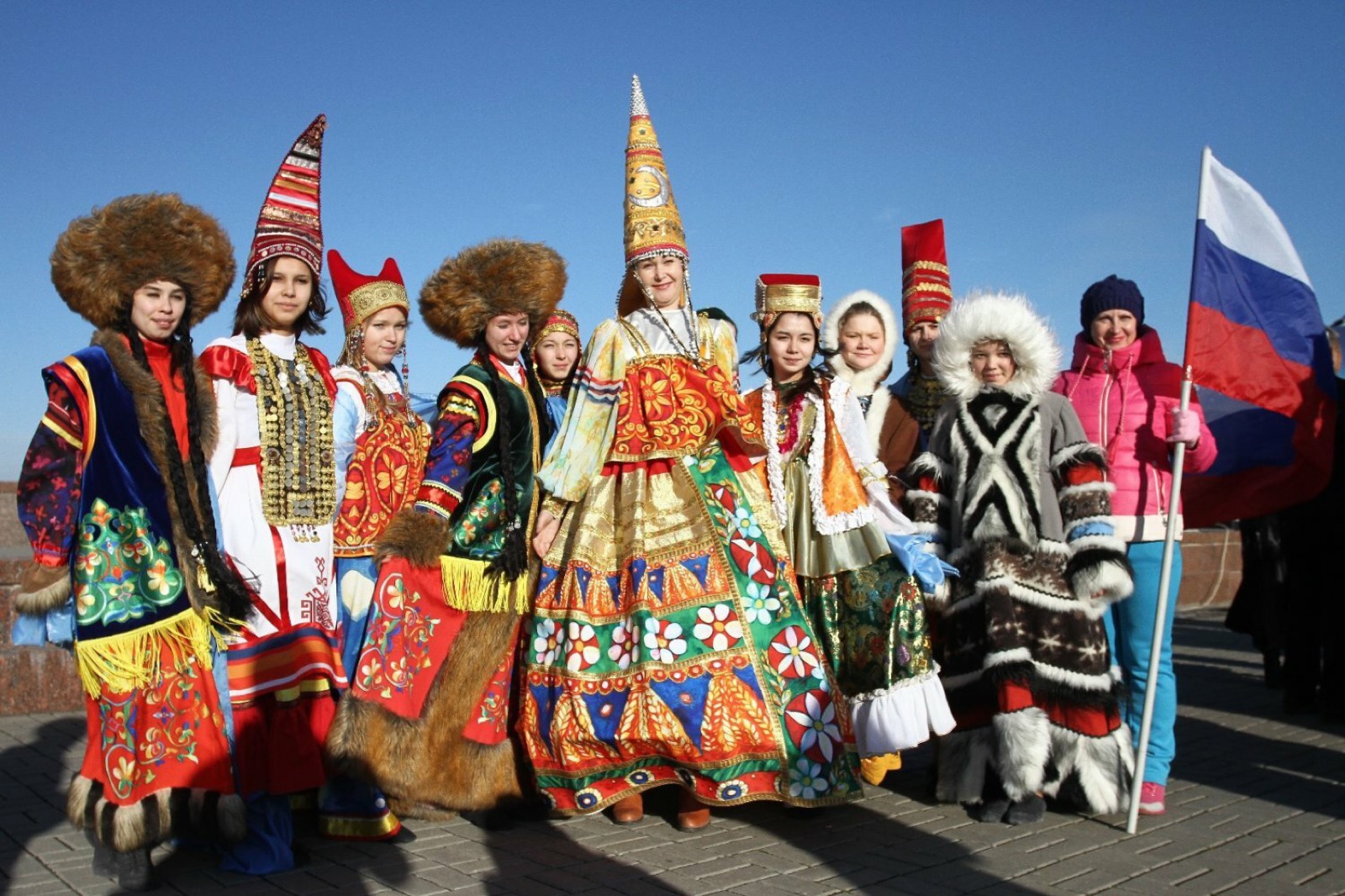
National roots sometimes appear unexpectedly during a search. More often the descendants suspect them — the surname hints at it, or a document survived, or the story passes down as a family legend. Many such families eventually consider applying for citizenship and returning to their historical homeland. It is a real option. Polish citizenship, for example, is available to people whose Polish ancestor lived no more than four generations back — so within the great-grandparents. But the ancestor's nationality has to be confirmed in documents.
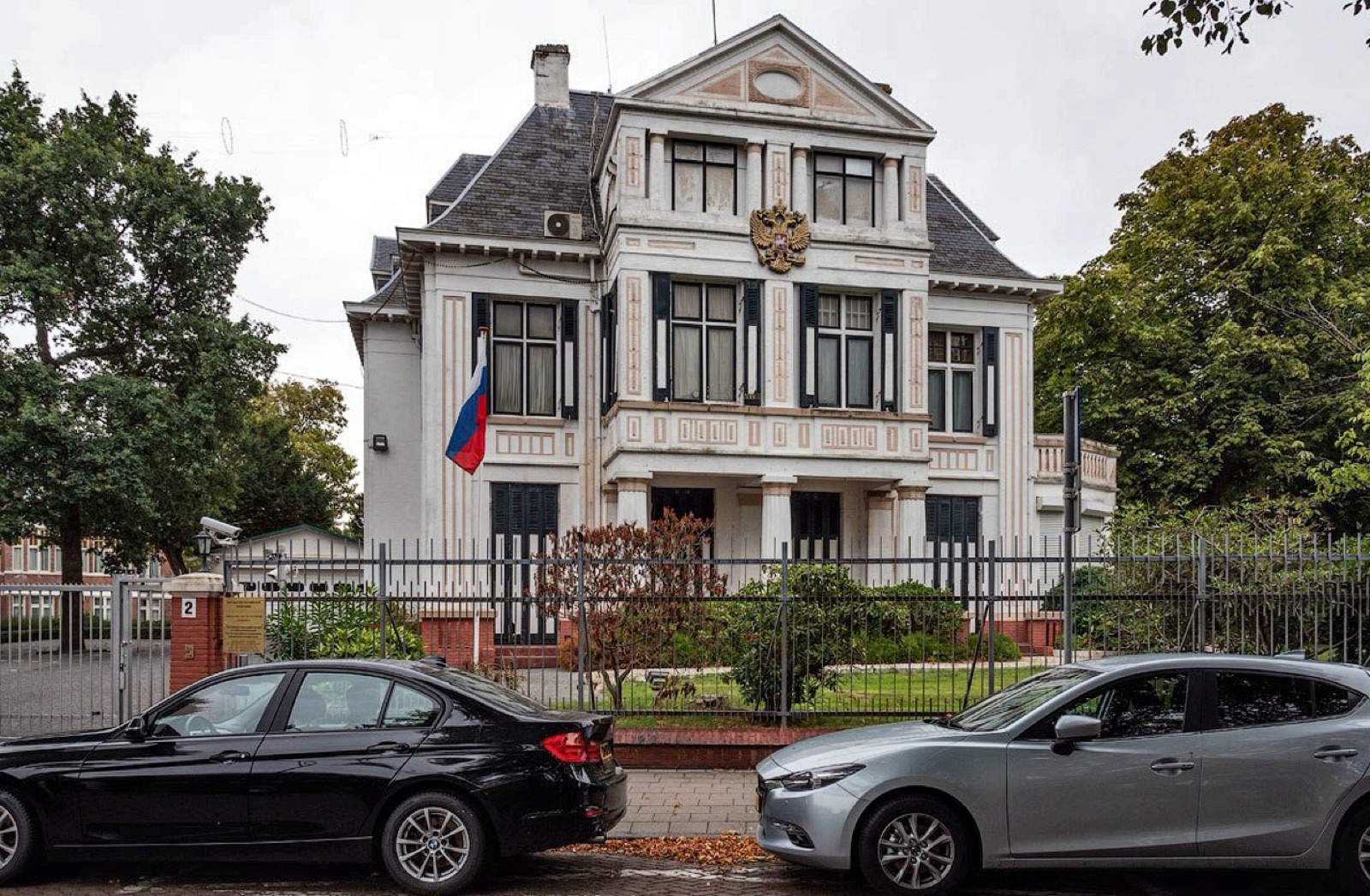
What if the family kept no such documents? That is where the service "Confirmation of national roots" comes in. We check the relevant branch through the archives and produce the documents that establish the foreign origin. Those documents can be submitted to the embassy as part of the citizenship application.
How the research runs. You give us the starting information: surname, given name, patronymic, date and place of birth of the last known person on the branch we will trace. Our researchers work that branch and confirm the national origin if it is there. Sometimes the search finds no foreign origin at all — in that case we still deliver everything we have collected, so the work isn't lost. And sometimes the result surprises the client. Expected Jewish roots turn out to be German. A surname assumed to be Polish turns out to be of seminary origin, attached to a peasant family. Whatever the family history hides, it is worth knowing — especially when that knowledge opens doors.