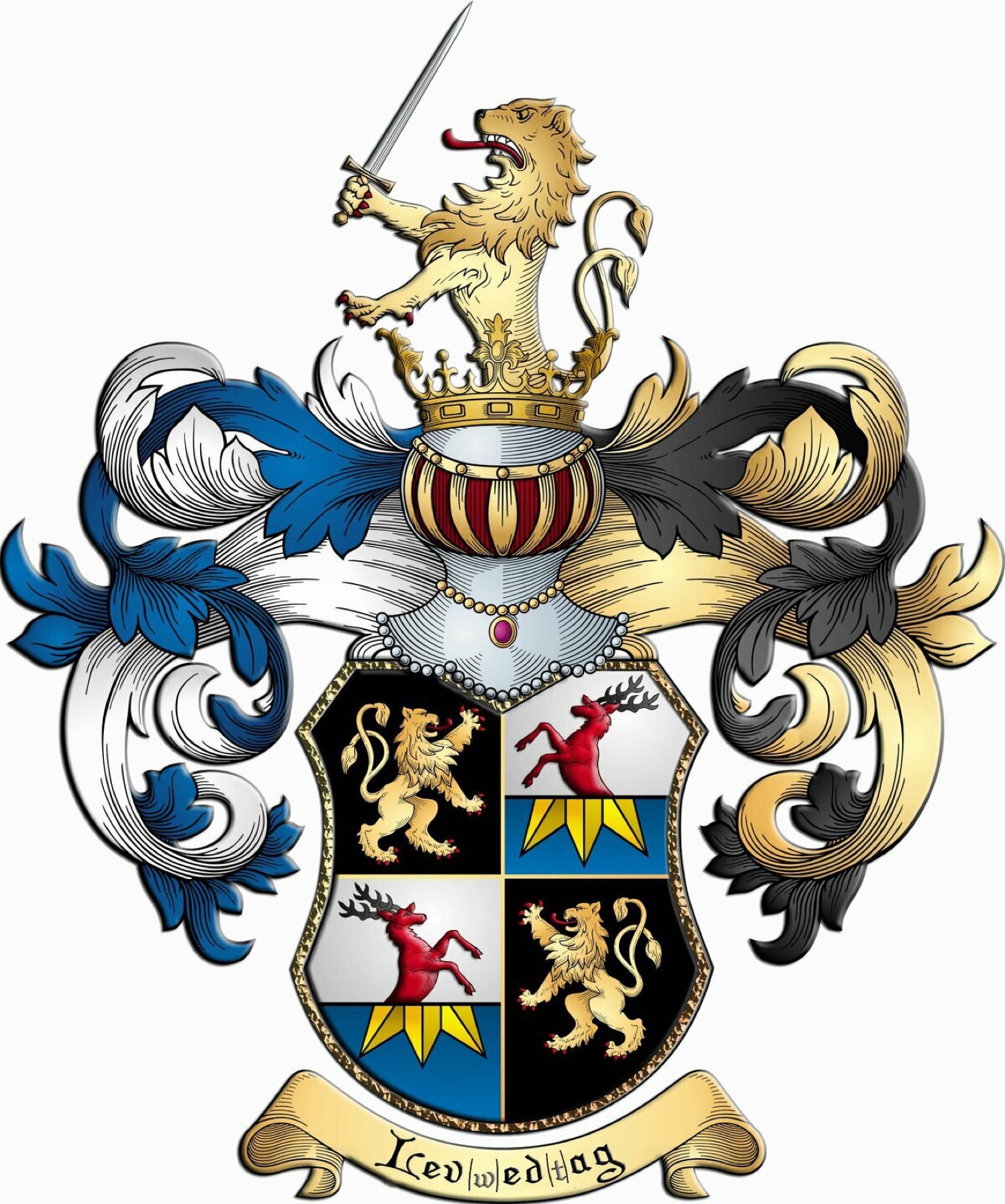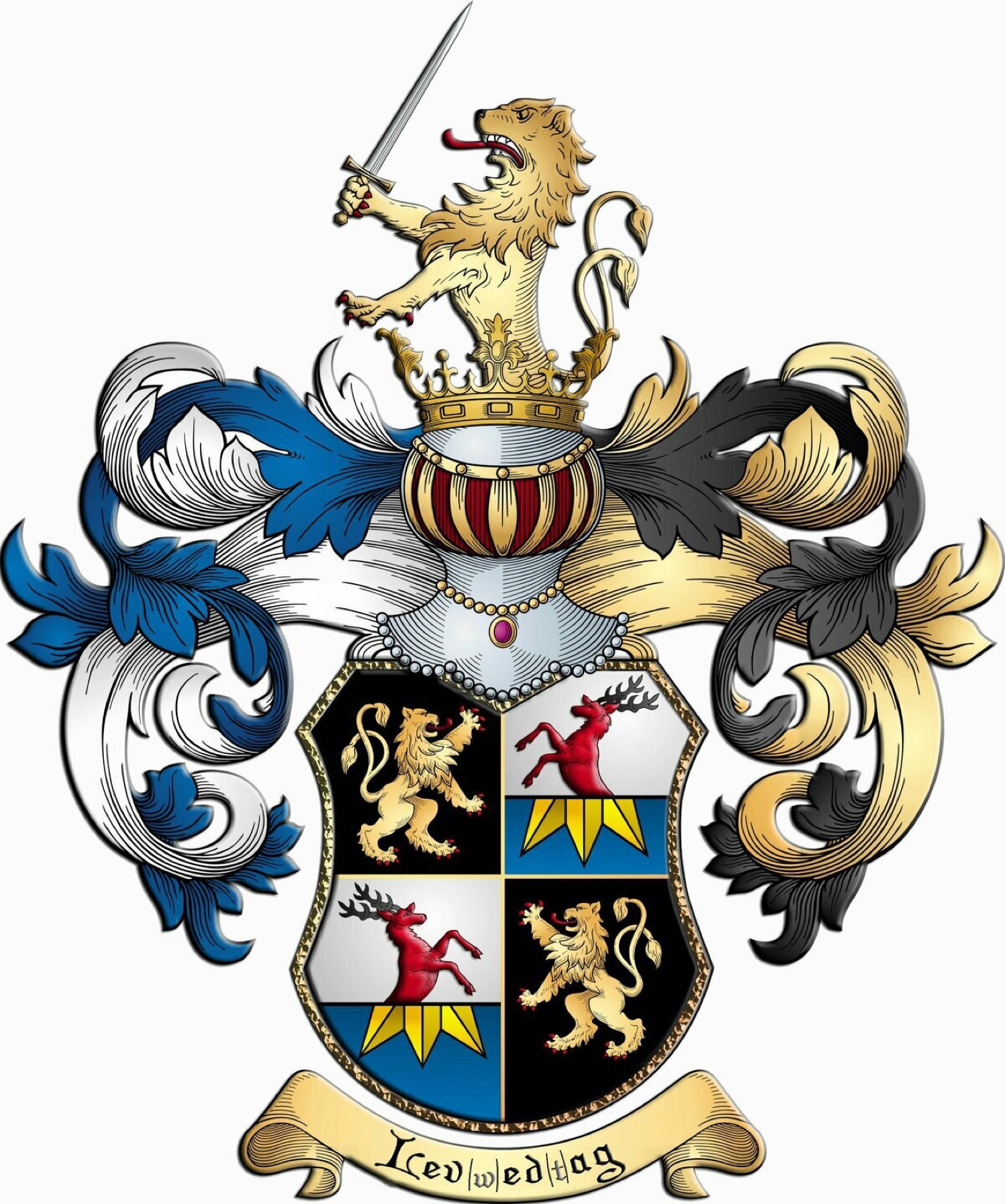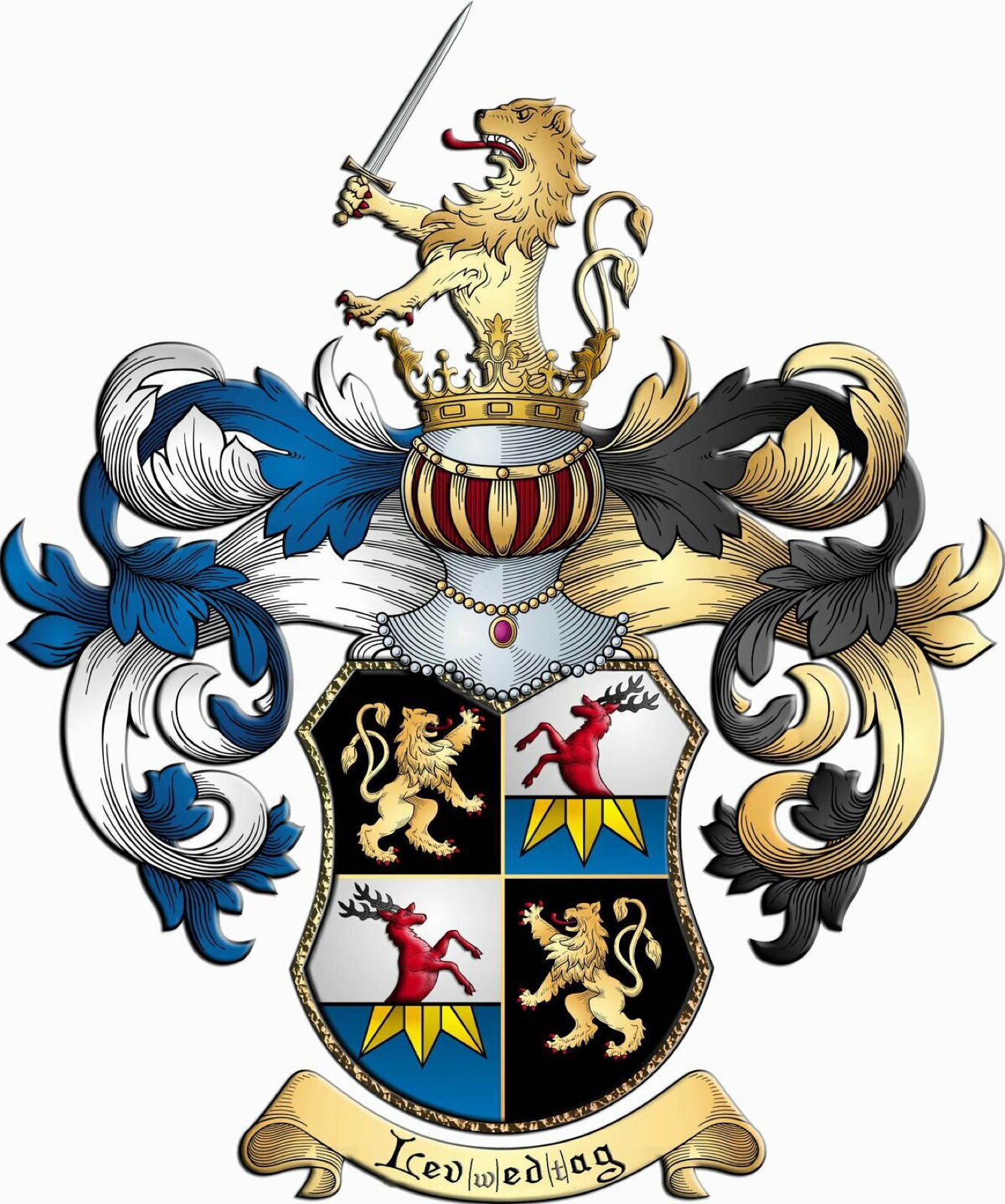
A coat of arms is a sign that belongs to one family and one line. The elements of heraldry are a coded description of the family's character. They originated in centuries when most people could not read, and the design let one person recognise the standing of another at a distance.
The basics
State arms appear on documents, coins, and flags. In the Middle Ages the same instinct applied to families: a sign was made for one specific line, carrying information that the descendants then inherited. Heraldry was not only for the nobility. Fishermen, peasants, and merchants had it too, even if the surviving examples are biased toward those who could afford a herald. Coats of arms became widespread with the rise of knighthood — markings on shields let combatants recognise each other in the chaos of a battle. After the fall of the monarchy and the formal end of the noble estate, the tradition did not die. It is still in use today, by:
- individuals
- cities and countries
- institutions
- companies
- families
Family arms historically fell into categories: civil, peasant, burgher, and noble.
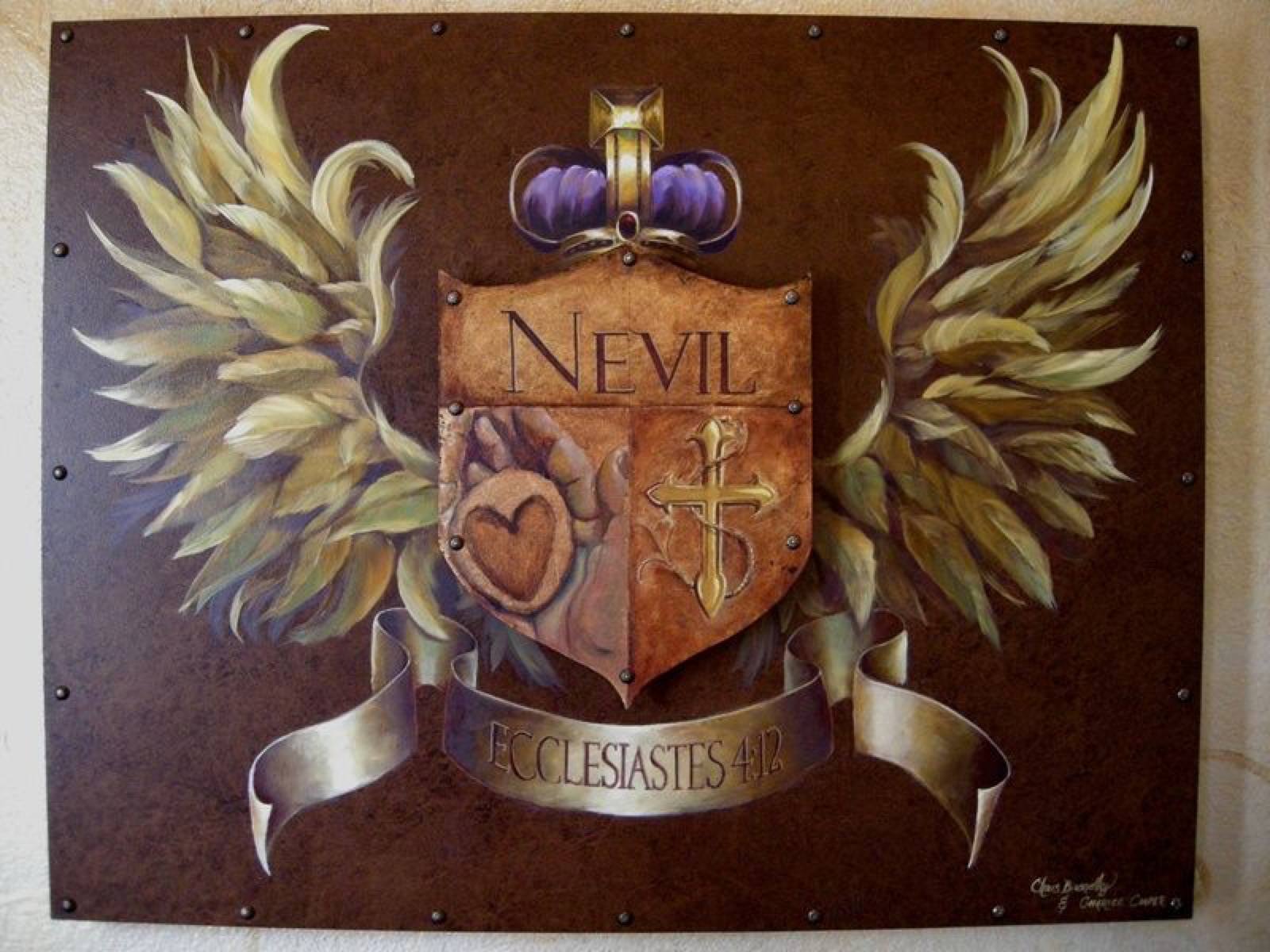
Designing a coat of arms is closer to an art than to a craft. Heralds make original shields that reflect, as precisely as the rules of the discipline allow, the life and values of a particular family. The purposes of family arms today are practical:
- a personal symbol
- passing information about the family to descendants
- a decorative element in the home
- a sign of belonging to a line
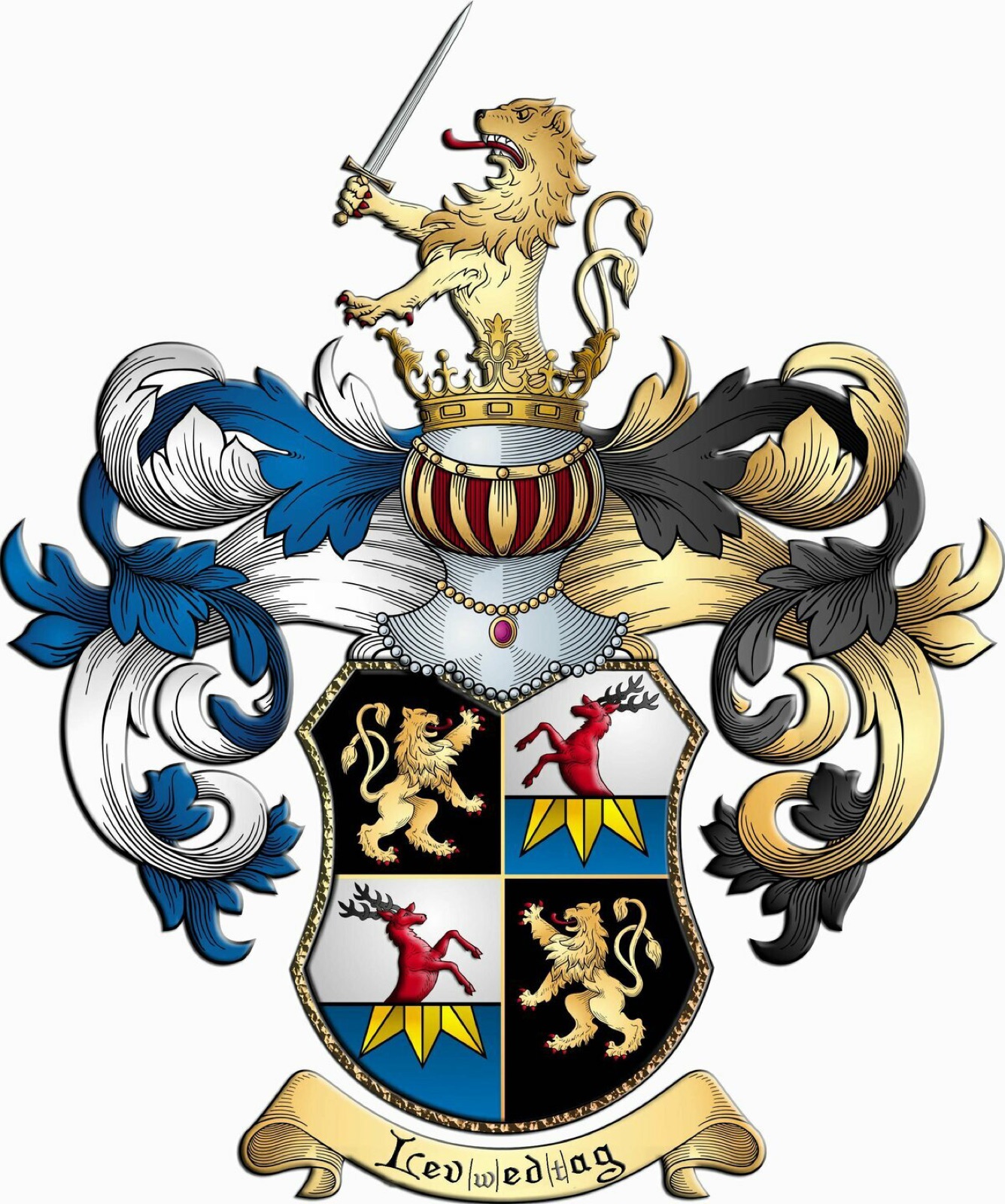
The central element of any coat of arms is the shield. Around it sit a ribbon or a crown. Each element is chosen for a reason and reflects the values of the people the arms are made for. Supporting figures, mottos, and external charges all play their part.
- supporters — figures holding the shield, used to mark high standing or an ancient line
- motto — the central idea expressed in a phrase
- additional attributes — figures placed behind or above the shield
On a family coat of arms, you cannot use symbols reserved for royal dynasties, castles, or cities. You can use animals, birds, mythical creatures (dragons), and a number of inanimate charges — crown, sword, torch, staff, sun. Designing a coat of arms signals an interest in your own origin. We do this work in-house: first a genealogist gathers the material on the family, then a heraldist plans the composition. An artist draws the final image by hand. To make the result legitimate as a record, the coat of arms is registered in the armorial of a specialised heraldic body.