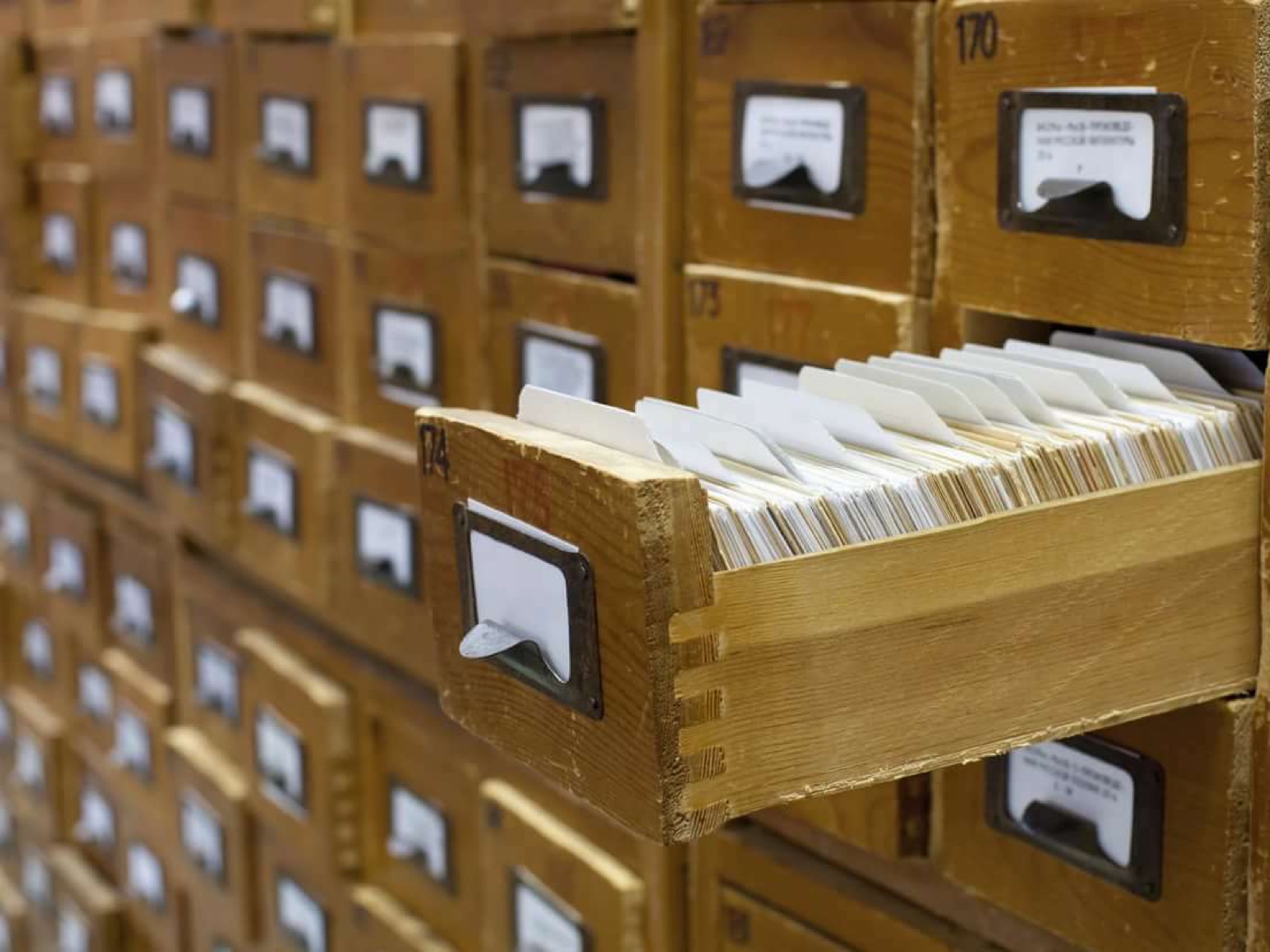
What makes people want to know their family history? What makes them sit for hours in archives, paging through enormous parish registers for forgotten names and dates? What do they feel, and what do they get back for the work?
The reasons are personal, but they share a common core: an unease, a quiet inability to live without knowing where you come from. The proverb says a tree does not live without its roots. The same is true of a person. Continuity between generations, family tradition, the sense of inheritance — these are not empty words. They are the support that holds in difficult times: if our ancestors survived all of that, so can we. To grasp the value of your own life, it is enough to think of how many generations lived and died for you to exist. That is why some people want to know the names of their forebears — to thank them, to pray for their rest, to pay back what cannot really be paid. And to pass that memory forward: "I will be remembered as many generations as I remember", in the words of A. Khaesh.
A family is not only an anchor but a source of pride. Even if the line was modest, there will be people in it worth honouring: war heroes, honest workers, benefactors, holy people. Their stories give confidence. They also help you understand why you are the way you are. Psychologists have been paying more attention to what they call family scripts — patterns hidden in our family's history that often explain our successes, our failures and the situations we keep repeating.
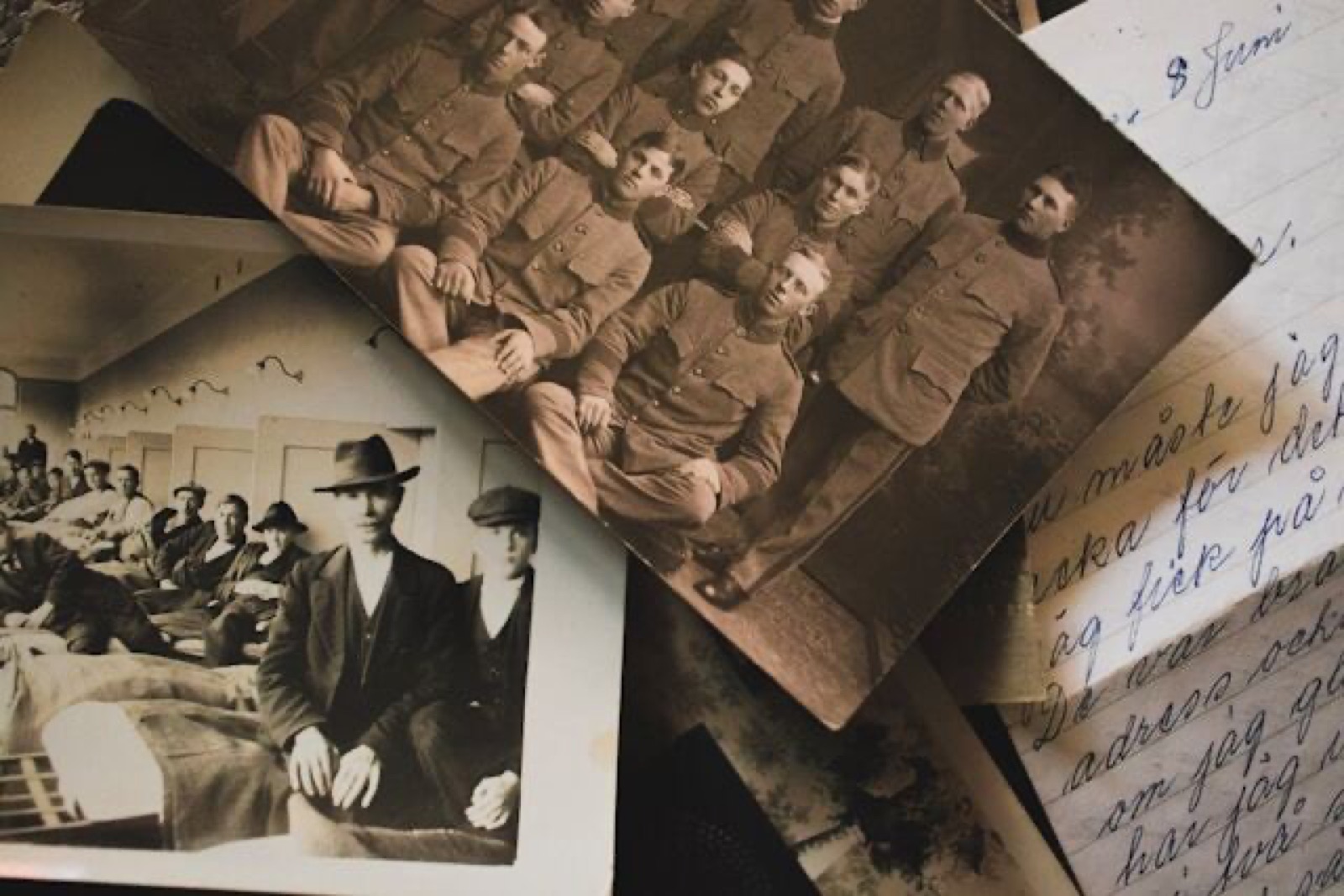
It is interesting to find out who you take after. Whose features show through in you. Sometimes you are repeating someone's life without realising it. Parish registers may only carry dry birth and death entries, but a person's character shows up in other documents: references from work and school, personnel files, award citations, letters, diaries. From these, traits, circumstances and a working and military biography emerge. You might recognise yourself in one of your ancestors — and understand yourself better.
In a fast-moving time it is hard to find yourself and to know what you actually want. Family history sometimes helps. You may trace a professional line and finally see what you should be doing. The transmission of experience between generations has been valued in every period; it still is.
There are practical rewards too. If you discover an ancestor of another nationality, that may give you the right to citizenship of the country they came from. Discovering a noble line is less about advantage and more about a quiet satisfaction — you may even find a family coat of arms. Such finds happen.

Family research can simply be an unusual and absorbing hobby.
Untangling family branches is detective work. If your life lacks drive and small wonders, genealogy is exactly the right kind of project. Each new name and each new fact is genuinely thrilling. A side effect is a small community of people who care about the same thing. Another is the surprise of finding living relatives you never knew you had. The reasons are individual; the value is universal.