Genealogy investigates family lines. The work answers questions about a surname, about ancestors and how their decisions shaped later generations.
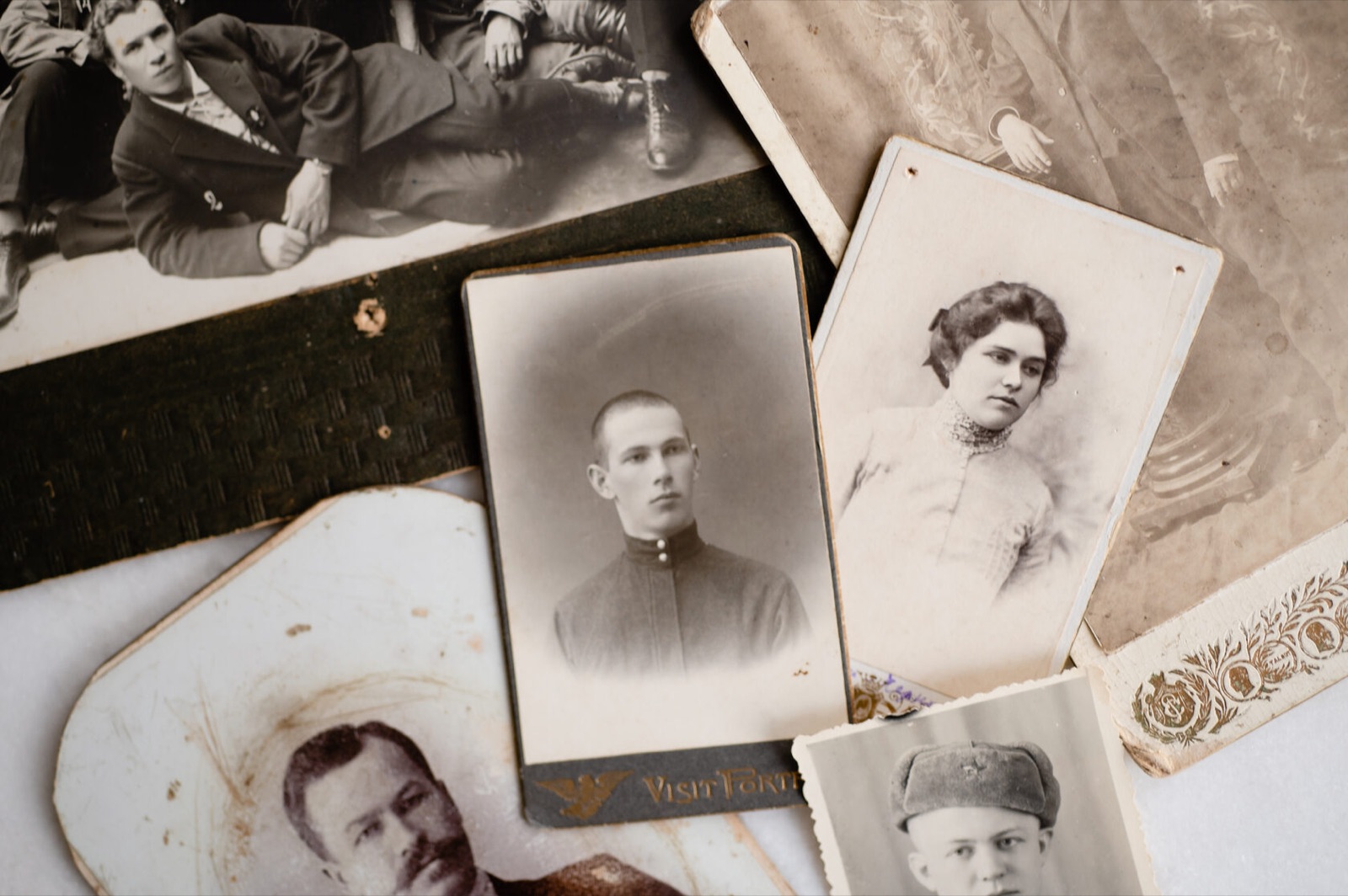
What the discipline does
Genealogy reconstructs the origin and descent of a family — the history of the line. It traces ancestors back to their starting point and demonstrates how the line developed. The discipline tracks connections between generations and the historical and cultural contexts that shaped each family. Methods overlap with history, archaeology and anthropology.
Genealogy is not just diagram-drawing. It studies the events and circumstances that affected the family. It can take a line back many generations and follow dynasties through time. It feeds into medical research on inheritance and genetic conditions. It exposes connections between families that were resettled across regions, which then helps reconstruct cultural and social context.
Why the information matters
Knowledge of your line carries real weight. It shows where you came from, what your family lived through, who else you are connected to. It also informs questions about hereditary health.
A few of the things this knowledge gives you. Understanding of the past — genealogy is not static facts but lived experience. Sense of origin — knowing where the family started forms part of self-identity. Mapped kinship — genealogical tables show degrees of relation, which can matter for family and legal questions.
Subject matter and methods
Genealogy studies family trees and pedigrees. What is the discipline for? To learn where you came from and pass that information to the next generation. It is research, with its own methods. The object of study is descent, kinship and the history of family lines. The genealogist works out which threads led to a particular family or person, and what shaped them.
If someone in an earlier generation already worked on the family's history, that simplifies things. If not, a professional starts from the beginning. Specialists rebuild lines, write family books, draw the trees.
What the work does
A working list. Studying the past — letting people examine the history of their own line. Preserving heritage — passing family traditions, values and history forward. Establishing kinship — mapping the degrees of relation, which matters for inheritance and for identifying distant relatives. Honouring the line — recognising the contribution of those who came before.
The methods
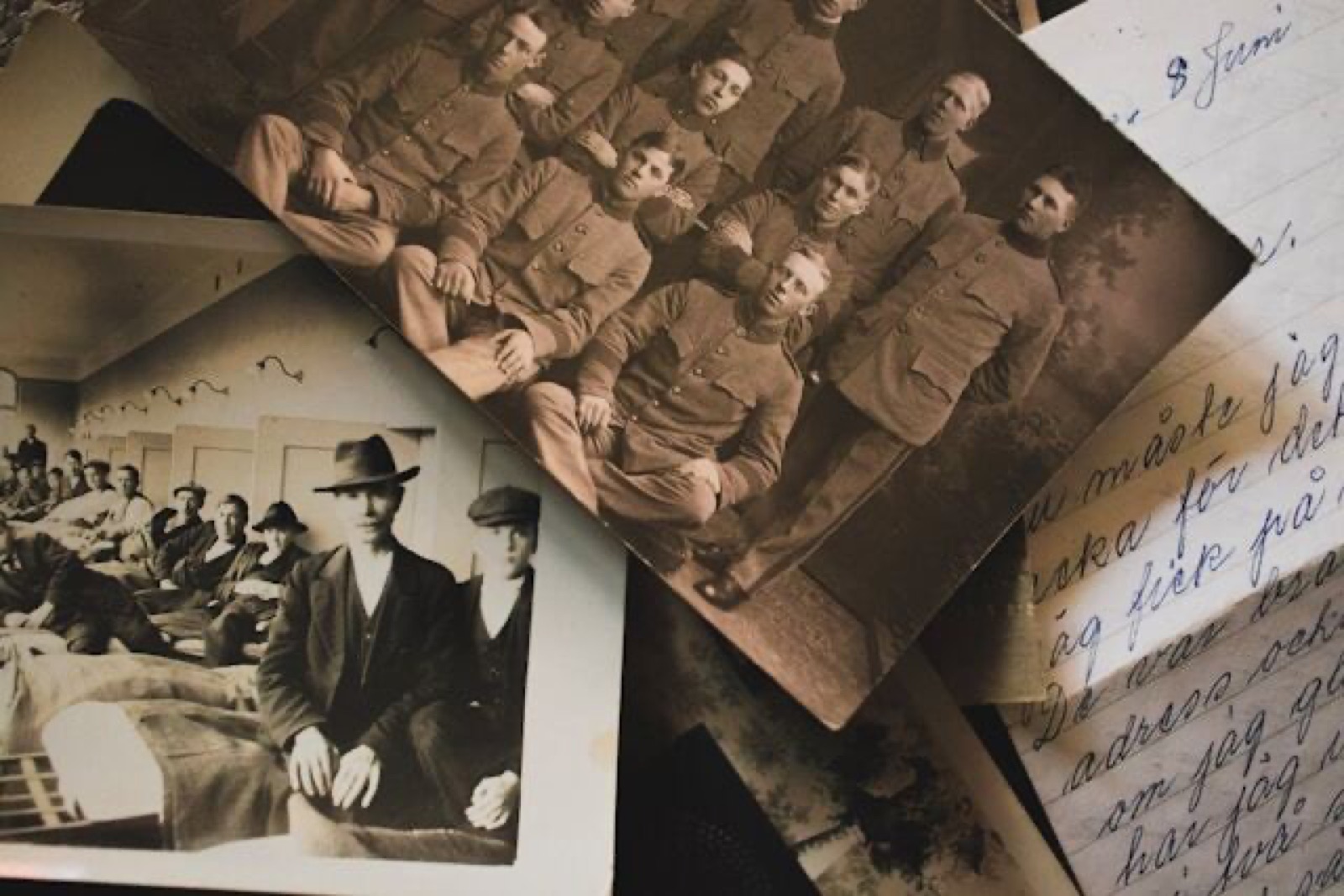
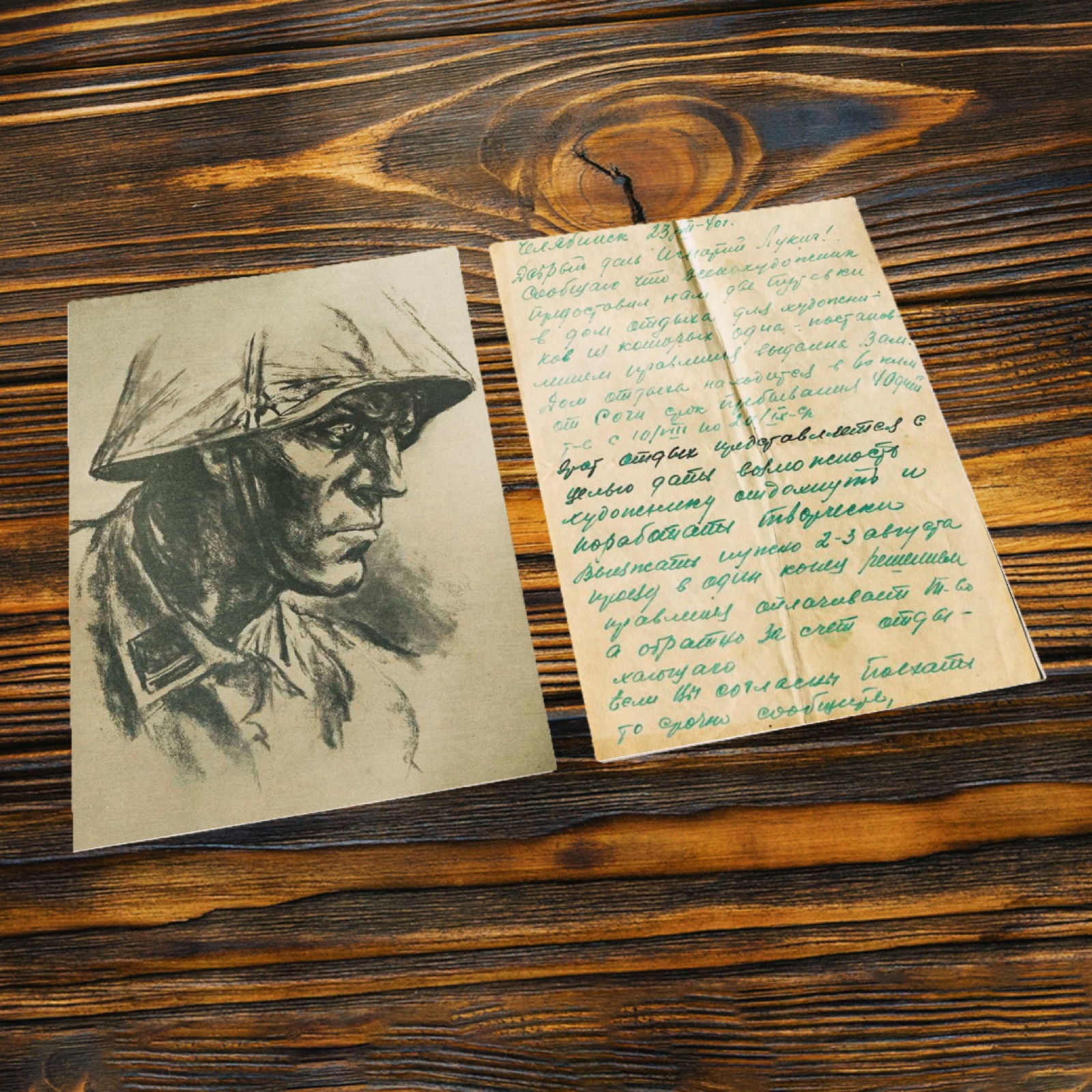
A genealogical study uses several methods together. The family's history begins with you, working outward to parents and grandparents. You learn about ancestors' professions, social status (estate, noble standing), and life events. Methods include document study (civil records, church books, marriage, birth and death entries, tax and military records); biographical material (memoirs, autobiographies, interviews with relatives); oral history from living relatives, particularly older generations; family relics (albums, photographs, antique objects, letters); internet research (databases, archive sites, family forums); on-site archive work in state and private repositories; and DNA testing, particularly useful for confirming distant connections.
Where to look for information
A working family pedigree (rodoslovnaya kniga) holds the records of ancestors: relatives, dates of birth, marriages, deaths and other facts. Genealogical charts then visualise the connections.
Sources. State and private archives contain a wealth of material — birth, marriage and death records, parish books, tax registers, military files, passports and more. Genealogists work in archives to read these records and pull out the relevant entries. The internet hosts vast genealogical databases. Family relics — photographs, letters, diaries, albums — yield clues that nothing else preserves. Church records register baptisms, weddings and funerals, central for pre-revolutionary work. State and municipal registers keep official records of births, marriages and deaths under current law. Burial places — family graves and memorials — carry biographical information on the headstones.
Where the work gets hard
Genealogical research hits standard obstacles. The common ones, and how we handle them at Family Relic: Missing documents. Birth, marriage or death records (especially for peasant children) were sometimes never kept, or were lost. We work across many archive systems and can often locate what looks unreachable. Difficult handwriting. Old records use calligraphic hands and obsolete abbreviations. Our genealogists read them. Restricted archives. Some collections have access limits, particularly where the family was affected by repression. We have working relationships with the institutions that hold these files. Surname and given-name changes. Ancestors sometimes changed names. We trace those changes and re-establish the true line. Lost historical records. Documentation can simply not survive — historical crises, revolution. Peasants were sometimes recorded as "Ivan, not remembering kinship". We use alternative sources, including family relics and oral material, to fill the gaps. Difficulty with DNA results. Interpretation is its own skill. Our specialists read genetic data and combine it with archive findings to confirm kinship.
Family Relic offers professional genealogical research and can rebuild your family history. Genealogy is the discipline of studying kinship and family history. It tells you about your ancestors, about surnames, about generations and the facts attached to your line. It expands what you know about provinces, social estates, wars and historical events. It preserves the memory of grandparents, of descendants, of dynasties. The data, written into a family book or a chart, lets you see the whole arc of the family across centuries. If you want to investigate your line in depth, work with specialists. Within a year we can produce a complete and accurate family tree with full genealogical charts, so you understand your origin and your family's history.