Questions are the first tool in a family search. Genealogical work is precision work, and the general framing — what you ask before you start digging into archives — is what determines the picture you end up with. A single phrase or a half-remembered detail can be the lead that opens a fond. This approach lets you preserve what would otherwise be lost.
To make sense of a family's roots, the process has to be structured. Otherwise the conversations turn into a confusing pile that gives less than they could.
Types of interview
An interview gives you what no official archive will: details of personality, memory and atmosphere. Two main forms are used, depending on the situation:
- Spoken interviews — live conversations that catch not only facts but the emotions tied to them
- Written interviews — for those who prefer to answer at their own pace, useful when relatives live far away or are too busy for a long conversation
Both work. A questionnaire helps systematise the answers. The choice depends on the people involved.
A spoken interview lets you follow up on the spot, catch emotion and notice unexpected detail. Talking to your grandmother you may hear a story she never wrote down but remembers in fine detail. Watching reactions tells you which threads to pull. An uncle remembering how his grandfather built a house in the 1950s will add the local context, the neighbours, the difficulties — and then mention photographs another relative has kept. Spoken interviews are often what reveals the atmosphere and the context behind the facts.
Written interviews are based on a questionnaire that the relative fills in at their own pace. The format is especially useful when the person lives elsewhere, has no time for a long meeting or simply prefers to think before answering. A great-aunt sent a written list of questions can find dates, maiden names and family events in her own time, and may even unearth documents that can later be scanned. The written form is good for precise facts but does not catch the emotional shading. The two formats can be combined — start with a questionnaire, then call to follow up on what came back.
Preparing for the interview
Good preparation is what makes the difference. Start with a list of contacts — everyone you mean to talk to, from close relatives to distant ones. For grandparents, decide in advance which questions will pull memories forward. For more distant relatives, work out what they are likely to know about earlier generations and prepare topics accordingly.
Write the questions before the conversation. They should be clear and logically ordered. Move from general to detailed. Group them — dates and places of birth, family traditions, ancestors' participation in historical events. That keeps the conversation moving and stops you wasting time on filler. Instead of "what do you remember about your childhood?", ask: "where did you live in your school years? What did the house look like?"
Take care of the practical side. If you are recording on a voice recorder or phone, check the device beforehand and have a backup ready. If the technology fails, fall back to handwritten notes. With older relatives this matters especially — repeating things is tiring. A reliable record will save you from losing what you collected. Always confirm before starting that the person is happy to be recorded.
Set up a comfortable place to talk. A home kitchen with tea on the table is usually better than a formal sitting room. A calm atmosphere is what lets long-forgotten details surface.
Brush up on what you already know about the family before you arrive. Ask informed questions, not obvious ones. If you know your grandfather worked as an engineer at a plant, ask which plant and in which city. Preparation is about both questions and base knowledge.
A working list of questions
A good list of questions structures the conversation and stops you missing the important details. The questions should cover the full life of an ancestor — biographical data, family traditions, the events that shaped them. Each question can become the key to the next discovery. A memory of a place of birth may open the way to a specific archive. A story about resettlement carries the geography and circumstances of an earlier generation.
Core genealogical questions
- Full name — of every relative, starting from the oldest generation
- Date and place of birth — what is known about it
- Date and place of death — burial location if known
- Marital status — when, to whom, how many children, which families are linked
- Profession — work over the course of life
- Participation in historical events — wars, revolutions, resettlements, state campaigns
Biographical questions
- School and education — where they studied and what they achieved
- How they met their spouse — circumstances of the meeting
- Moves and places of residence — when, where and why
- Friendships and social ties — important relationships at different stages of life
- Family traditions and celebrations — which were important to the family
- Difficult periods — illness, war, personal loss and how they were lived through
Historical and cultural questions
- Origin of the surname — how it appeared and who first carried it
- Family historical events — revolutions, wars, emigration
- Cultural and religious traditions — what was important to your ancestors
- Economic position — material conditions across different periods
- Family members who became known — scholars, artists, public figures, if any
Documents and photographs
- Family photographs — who is in them, when they were taken
- Birth, death and marriage certificates — what the family has kept
- Military booklets, medals and awards — for service in wars or other events
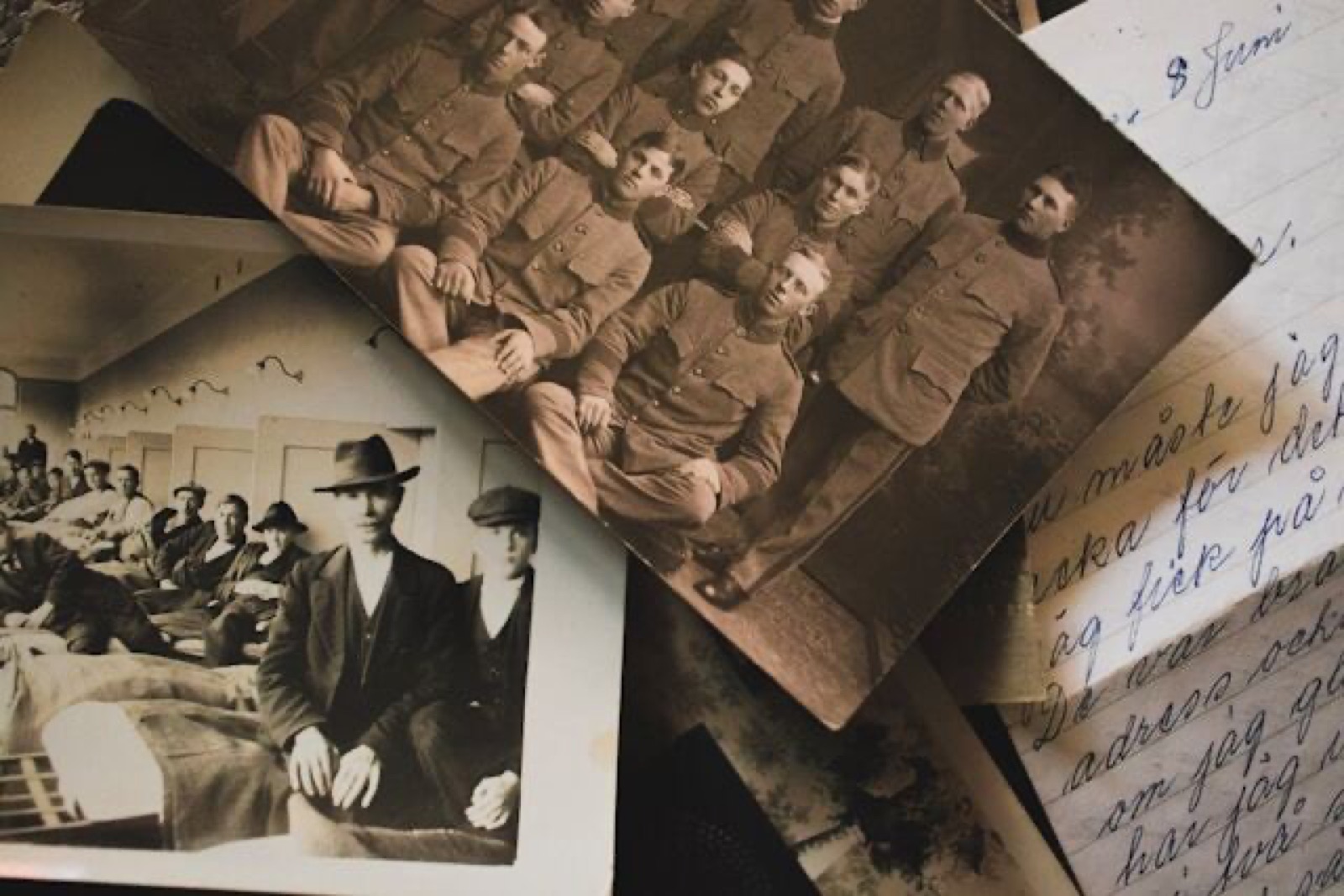
- Personal records — diaries, letters and other documents about the family
- Archival documents — where state and local archives related to the family are kept
Family legends and memories
- Family legends — stories passed from generation to generation
- Rumours and unusual events — anything that might have shaped the line
- Memories of older relatives — what grandparents, aunts and uncles consider important to remember