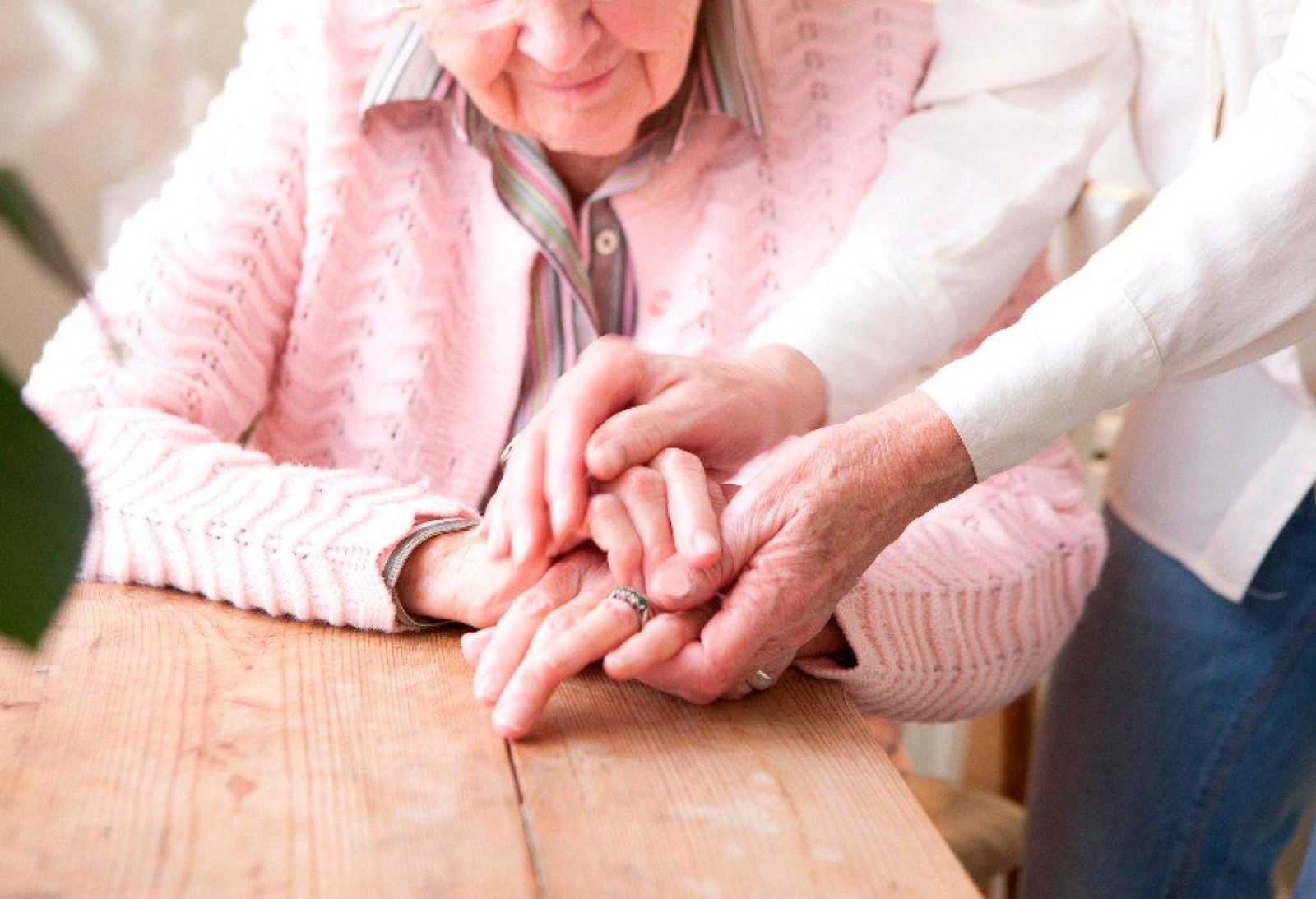
People go, and their knowledge goes with them. We start regretting only afterwards that we never sat down and asked. Memory is not a reliable archive. You might feel certain you have heard a story from your grandmother a hundred times, until you try to tell it again — and the names and places blur, and there is no one left to ask. Talk to your relatives soon. A few practical tips for a productive conversation.
Start with the oldest
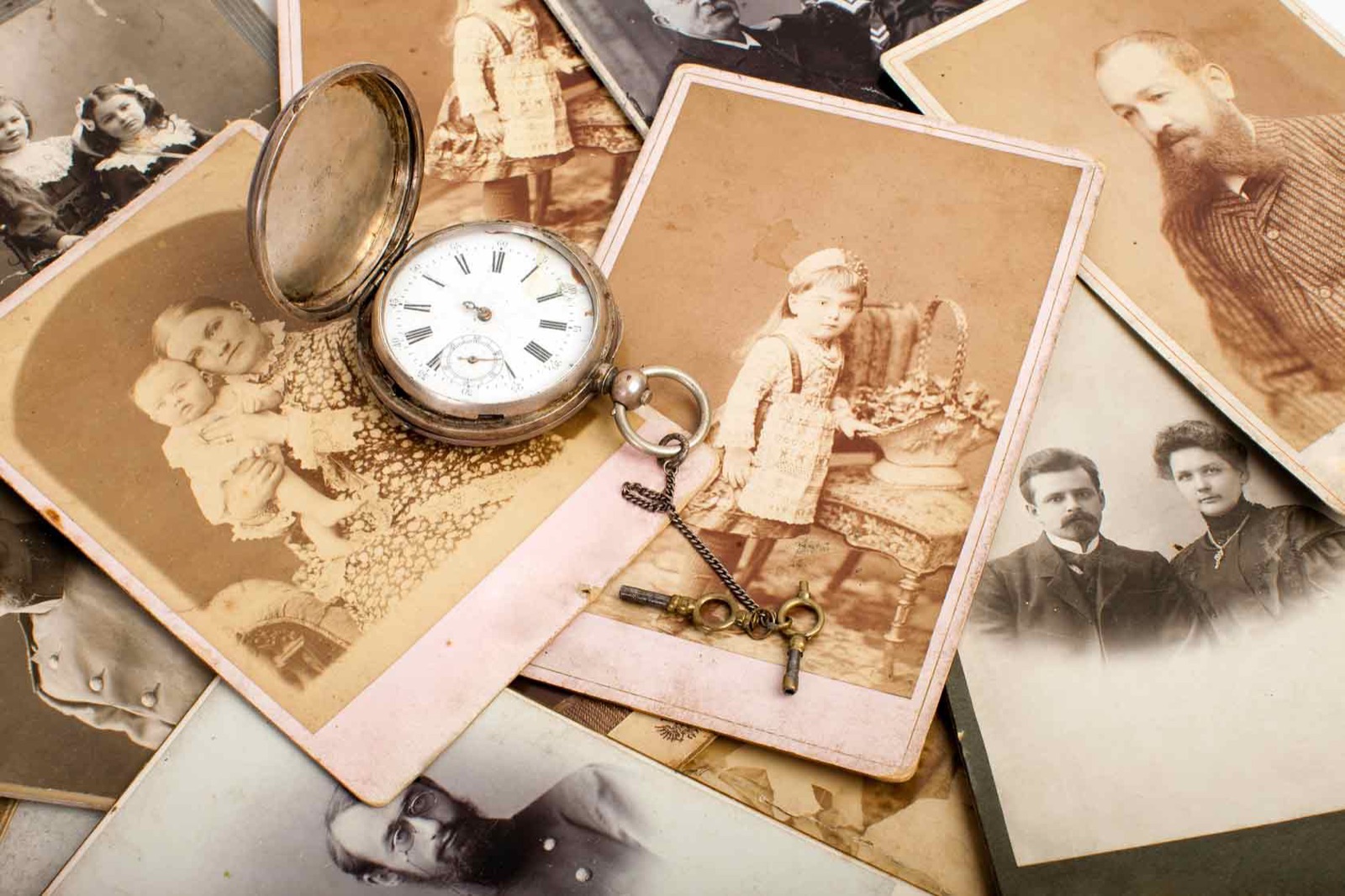
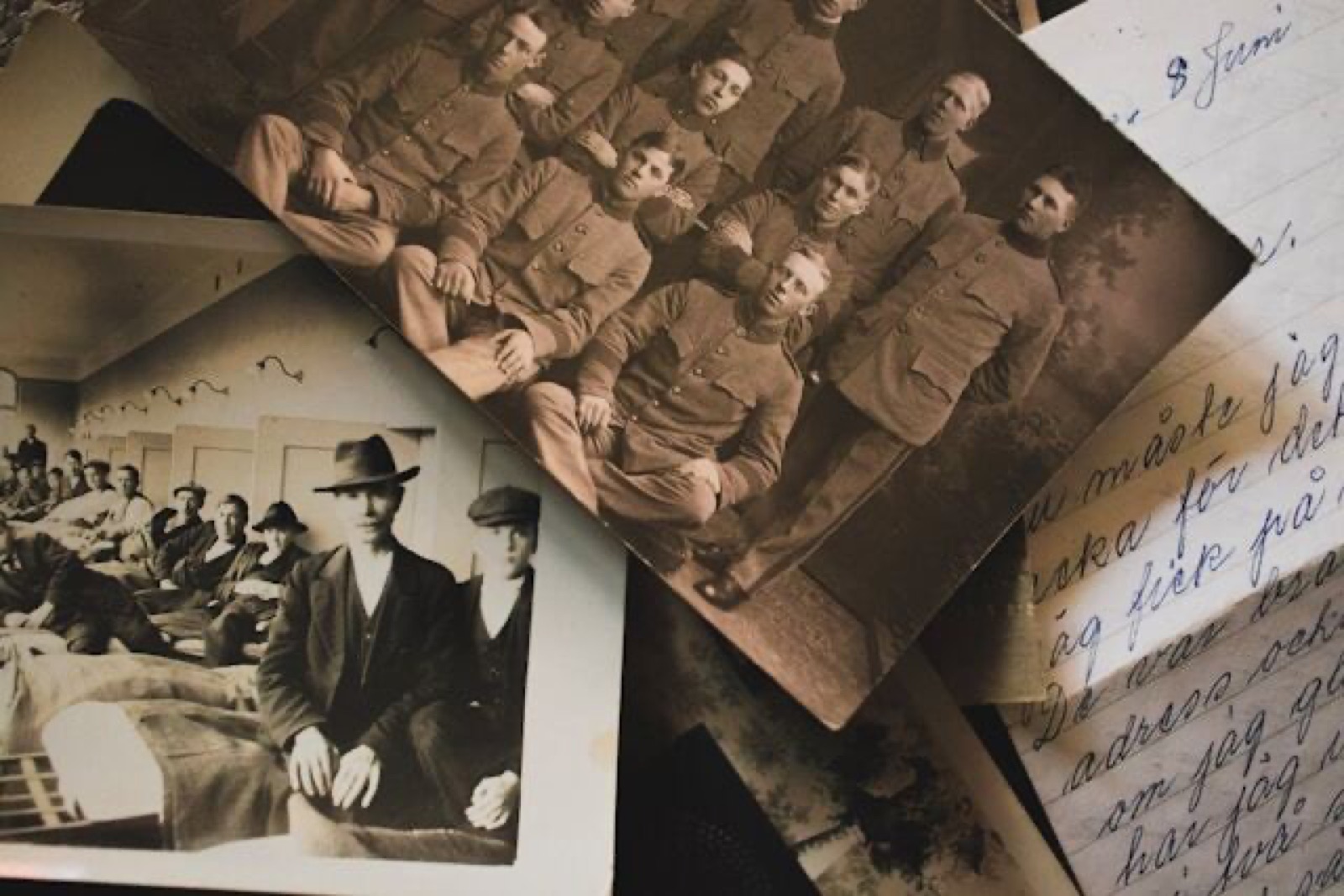
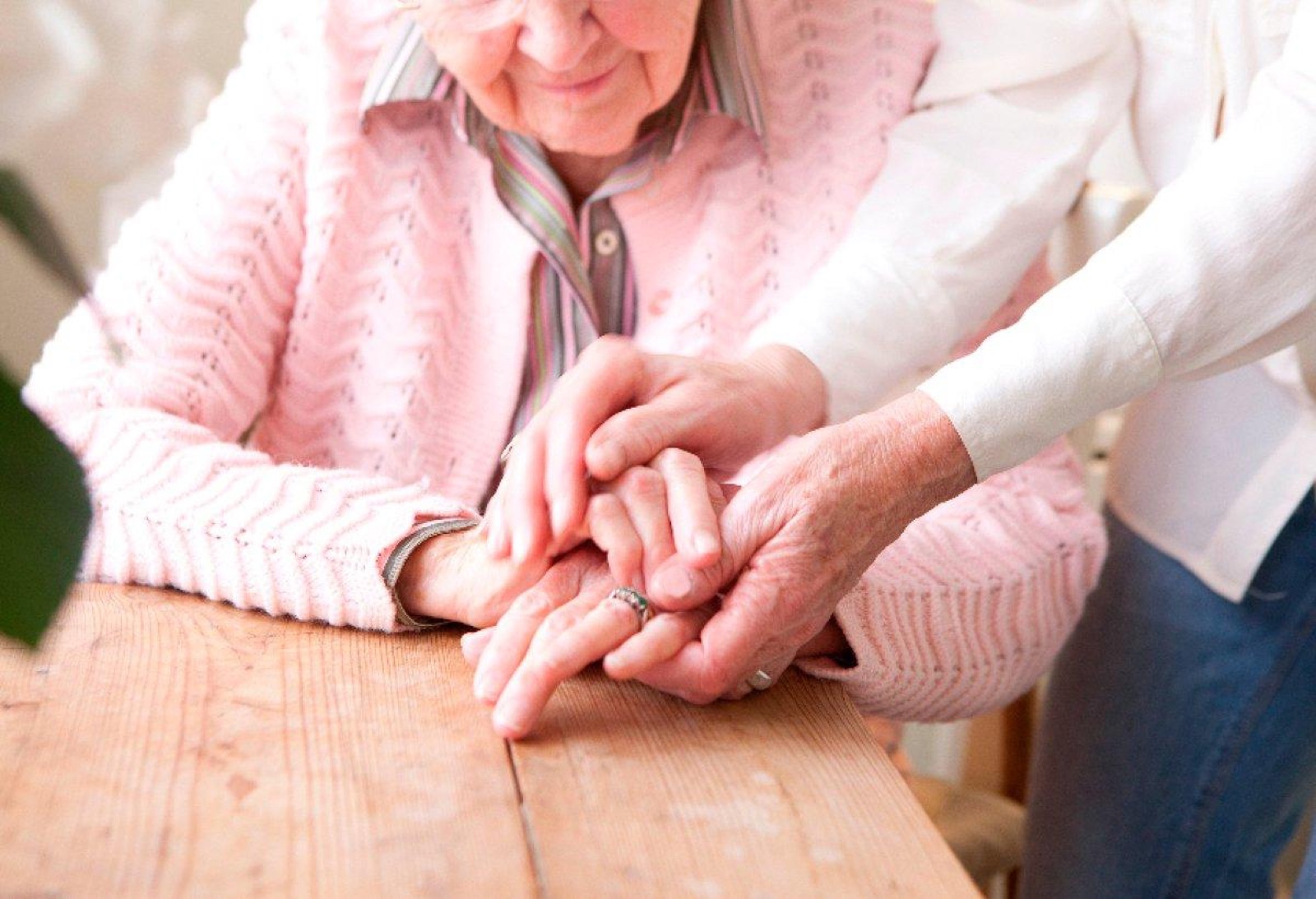
Speak first with the oldest relatives. Older people can be hard to draw out, so do not rush. Bring something with you, accept the tea, listen to the news of the day, and then ease into the questions. Old photographs are often the best way in. People will talk readily about who is in the picture and where it was taken, and a great deal of information comes out along the way — write it all down.
Be prepared for some memories to move or upset them. If a topic is painful, change the subject. Prepare a list of questions in advance and stick to your plan, but if the person warms up to one strand, do not interrupt. Go beyond the standard biographical questions. Favourite books, films, songs, school subjects — these are worth preserving too. Ask how the family lived through specific periods: the post-war years, the perestroika decade, how they remember Gagarin's flight or the 1980 Olympics. That gives a fuller picture of the family and of the era.
Record everything
Do not rely on memory. Record the conversation on a voice recorder, then transfer the file to a computer and transcribe it. You can also take written notes during the conversation, though those are usually hard to make sense of years later. If you can film at least part of the conversation, do — a smartphone is enough. Your grandchildren will be able to see the person, not just a photograph.
If relatives live far away and you cannot meet in person, use the internet. Send a questionnaire for them to fill in at their own pace, then phone or video-call to clarify and dig in. Share the genealogical chart you are building so they see the work and feel part of it.
Where to keep what you collect
A family tree, especially one kept in dedicated software, is the most reliable way to store the data. Most genealogy programmes allow detailed biographical entries per person. A fuller history can be gathered in a family book, with all the stories, photographs and scanned documents in one place. Another option is a private family website with restricted access, where you can also keep audio and video files.
Doing all of this on your own takes a great deal of time. When time, knowledge or patience are short, it makes sense to delegate. We build family trees, family books and family websites. Get in touch and we will help.