Where revision lists came from
In the early 18th century Peter the Great introduced the poll tax: from then on every male 'soul' had to pay. To count those souls you needed a census. The first revision was taken in 1718–1719, the last, the tenth, in 1857–1859. One quirk matters: by law a 'revision soul' counted as living until the next revision, even after the person had died. Gogol built 'Dead Souls' on exactly this: Chichikov buys up dead serfs who still count as alive until the next count.
What a revision list contains
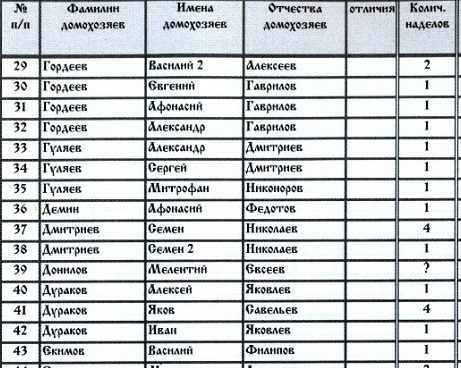
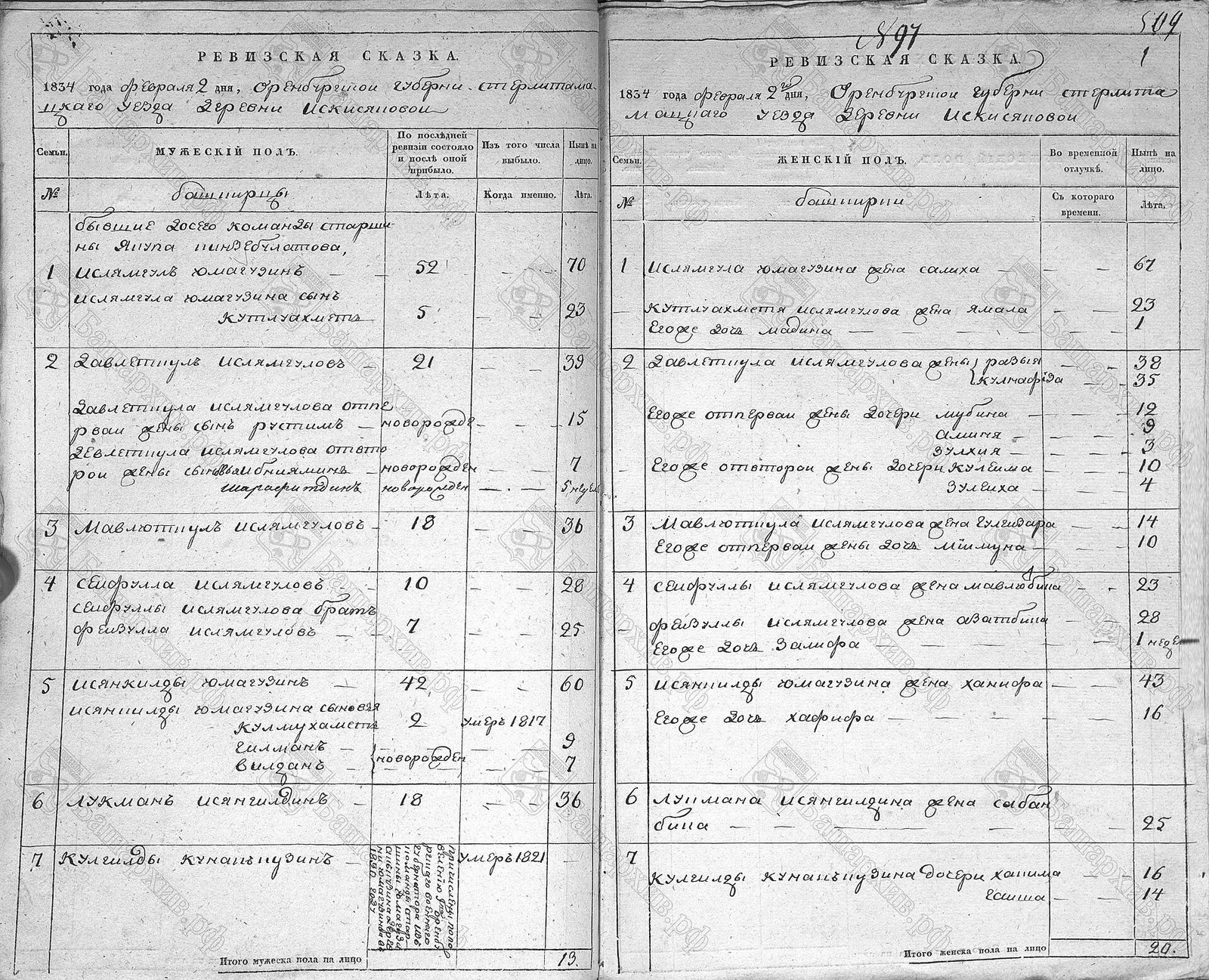
Revision lists cover only the taxable estates: peasants, merchants, townspeople and some clergy. Each entry can give you:
- the first name, patronymic and (if any) surname of the head of household
- the social estate
- ages at the current and previous revision
- the names and ages of all family members
- each person's relationship to the head (son, daughter, wife, daughter-in-law, brother, nephew)
- the reason for leaving the count: death, a move, or military service
The 1st, 2nd and 6th revisions did not record women. From the third revision on, the documents survive far better.
Where revision lists are kept
The first three revisions are mostly in RGADA, in fond 350. From the fourth revision the documents are in the regional state archives, by the ancestors' place of residence. Some fonds are digitised and available through FamilySearch.
How to find the right revision, step by step
First, establish which district and province the ancestors' settlement belonged to. The borders of pre-revolutionary provinces and modern regions do not match, so use historical maps or reference books.
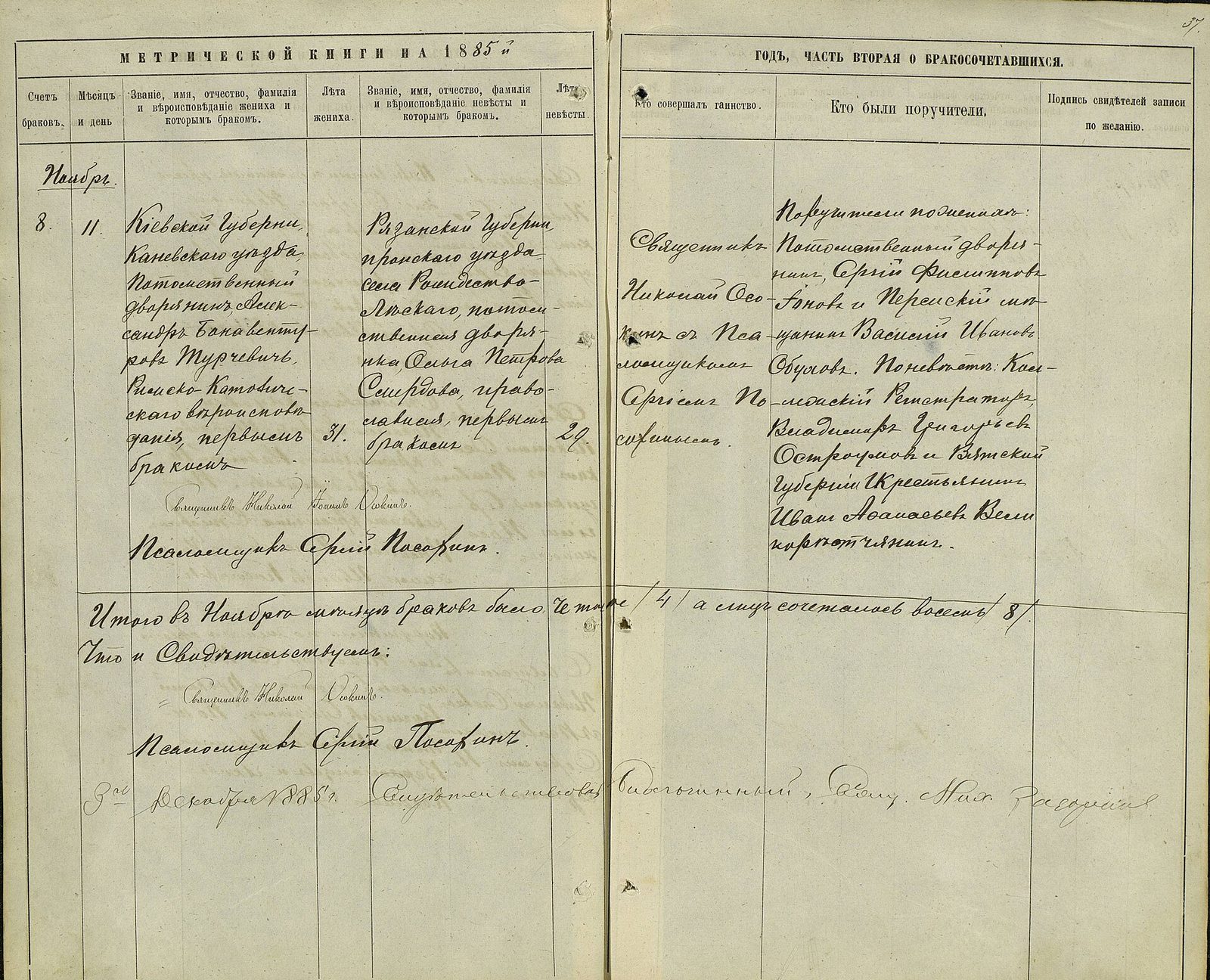
Second, work out the social estate. Nobility does not appear in revision lists; they had separate documents. Peasants, townspeople, merchants and some military men are the ones you will find here.
Third, find the fond that holds the revisions for that territory. For the early ones it is RGADA fond 350; for the later ones, the regional archives.
From practice: a revision opened 300 years of family history
One of our genealogists, working on her own line, went through every revision for it in order. Then she pulled the scribe books and, in a 1664 document, found an entry on a direct ancestor: 'The yard of Ivashko Fyodorov, half an obzha and a third of a half under him.' For three hundred years the family had lived in one place, the village of Fominskaya in Vologda province. 'I just cried over that line. Finding a connection that deep was overwhelming,' she says.
Want to find your ancestors in the revision lists? The genealogists at Family Relic will search every revision. More at myrodoslovie.ru