How parish registers came to Russia
Keeping parish registers was set out in law as early as the Moscow Church Council of 1666–1667. The first secular order was Peter the Great's decree of 14 April 1702: every Moscow parish priest had to report the number of parishioners to the Patriarchal Spiritual Office. From 1722 the registers were kept on a permanent basis across the country.
What a parish register contains
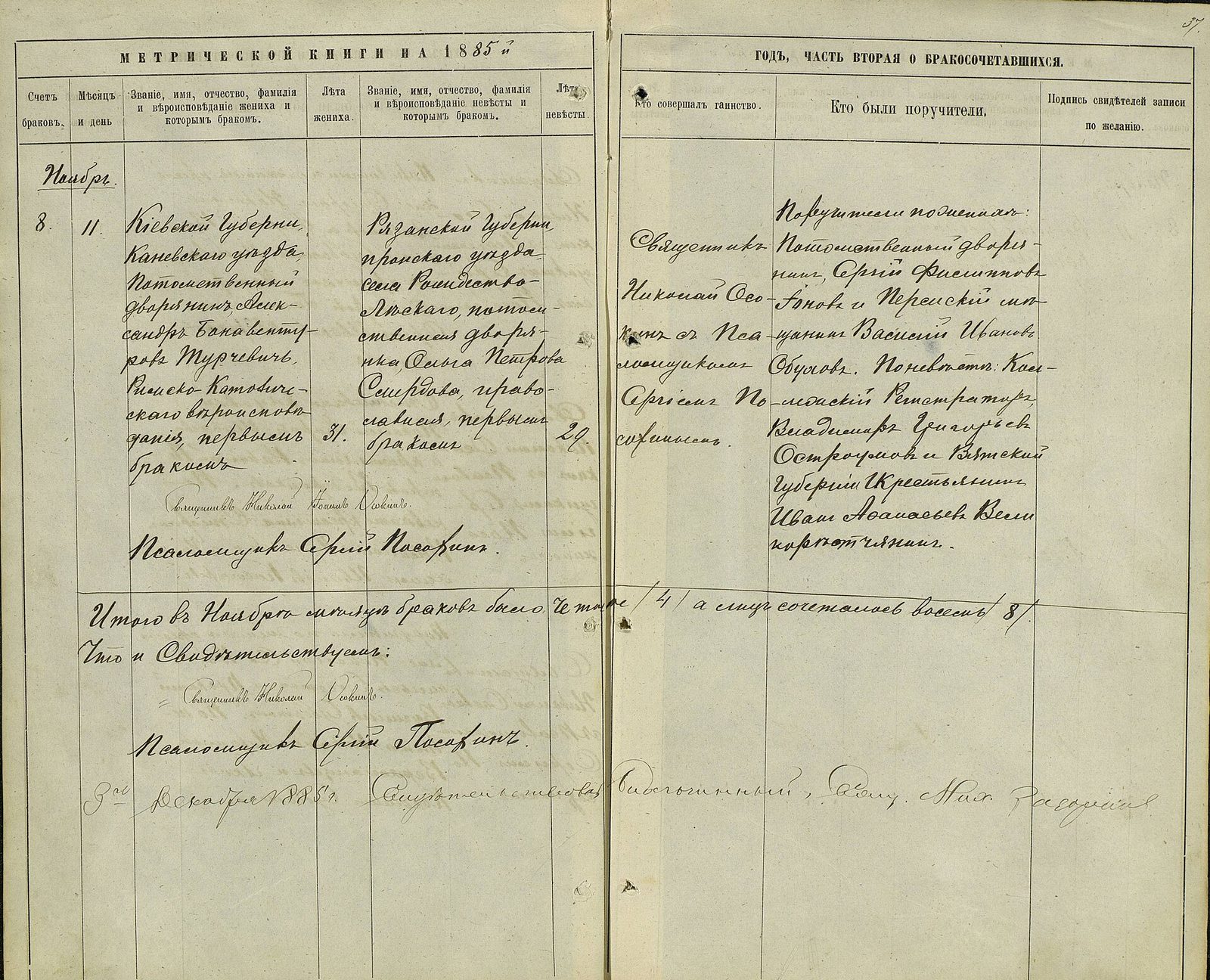
Each register has three parts. The first, births: the date of birth and baptism, the child's name, the names of the parents and godparents, their estate and place of residence. The second, marriages: the wedding date, the names of bride and groom, their ages, estate and witnesses. The third, deaths: the date of death and burial, the age of the deceased and the cause.
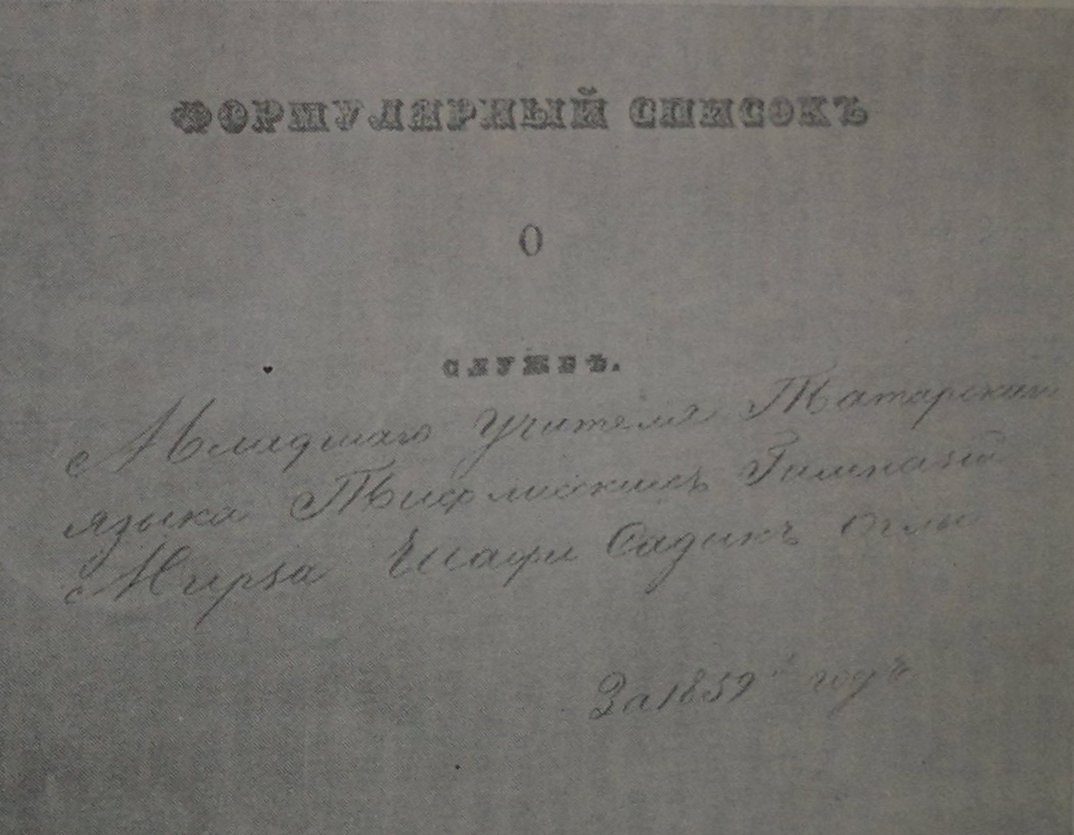
Besides Orthodox churches, registers were kept by synagogues (for Jews) and mosques (for Muslims). The latter were written in Old Tatar in Arabic script, which makes them harder to work with. Interfaith marriages before the early 20th century were recorded in the fonds of the police departments.
Where parish registers are kept
Church registers are held in the regional state archives, usually in the region where the parish stood. Mind that the borders of old provinces and modern regions do not match. If an ancestor was born in Kobrin district, Grodno province, you write to the National Historical Archive of Belarus in Grodno, not to a Russian institution.
Some registers are digitised and online, on FamilySearch.org and in the regional AIS 'Arkhiv'. In Moscow and St Petersburg a large share of the fonds has been scanned.
How to find a specific record
To search you need three things: the ancestor's religion, the settlement, and the rough year of the event. The more precise these are, the better your odds.
When you write to an archive, give as much detail as you can: full name, an approximate date (archives usually scan a three-year range), religion. The reply comes 30 to 60 days after you pay for the service and includes an official certificate with the archive director's signature and seal, a legally valid document confirming kinship.
From practice: when a parish register settles an argument
One case shows what parish registers are worth. Our genealogist Olga Romanova, working in the State Archive of Vladimir Region, found the birth record of Georgy Semyonovich Shpagin, designer of the legendary PPSh submachine gun. The date in the record, 21 April 1897, did not match the one in most sources, including the Great Soviet Encyclopedia. An archive document settled a long argument about the designer's birth date.
Looking for a record in a parish register? The genealogists at Family Relic work with archives across Russia and the CIS. Request a search at myrodoslovie.ru