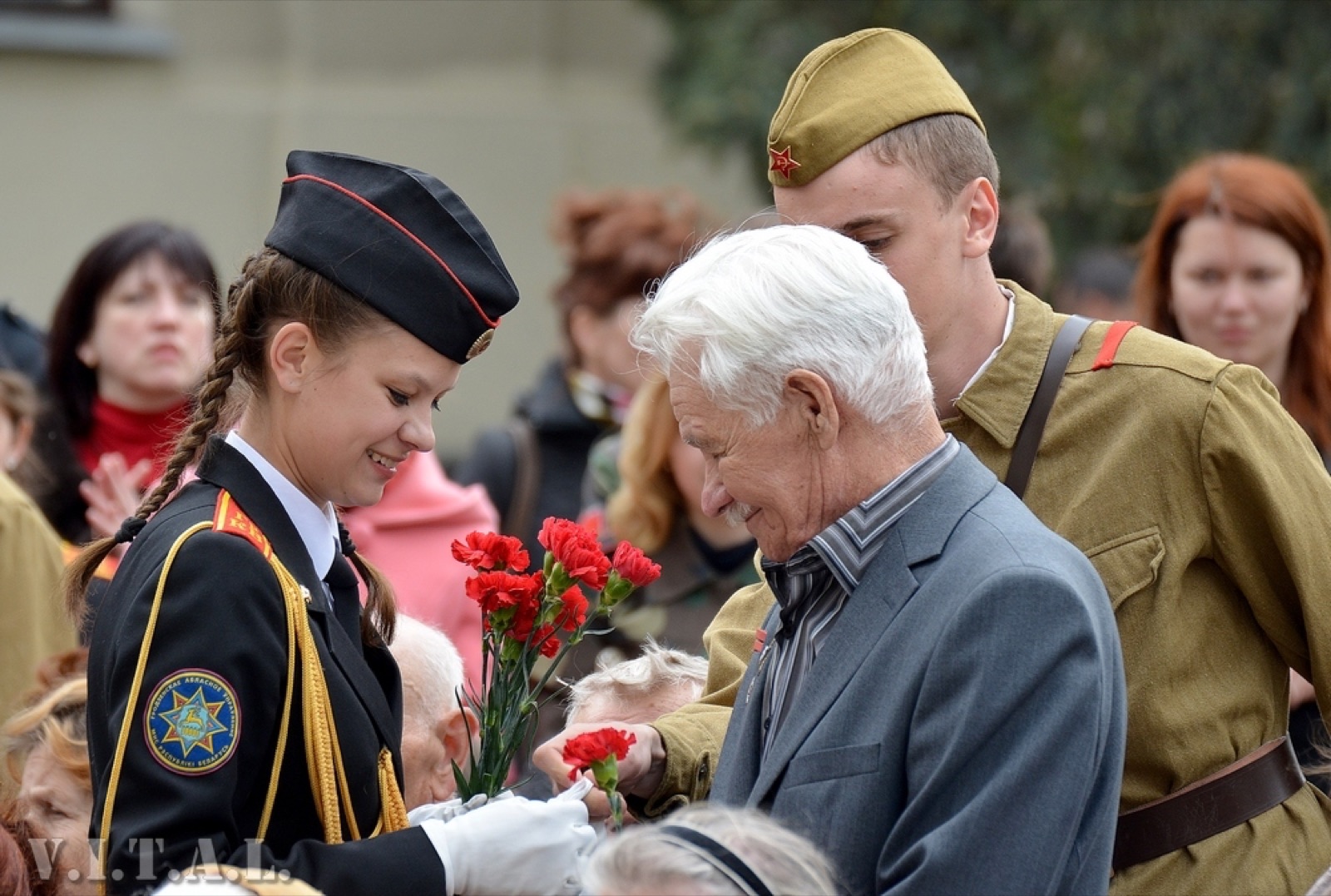
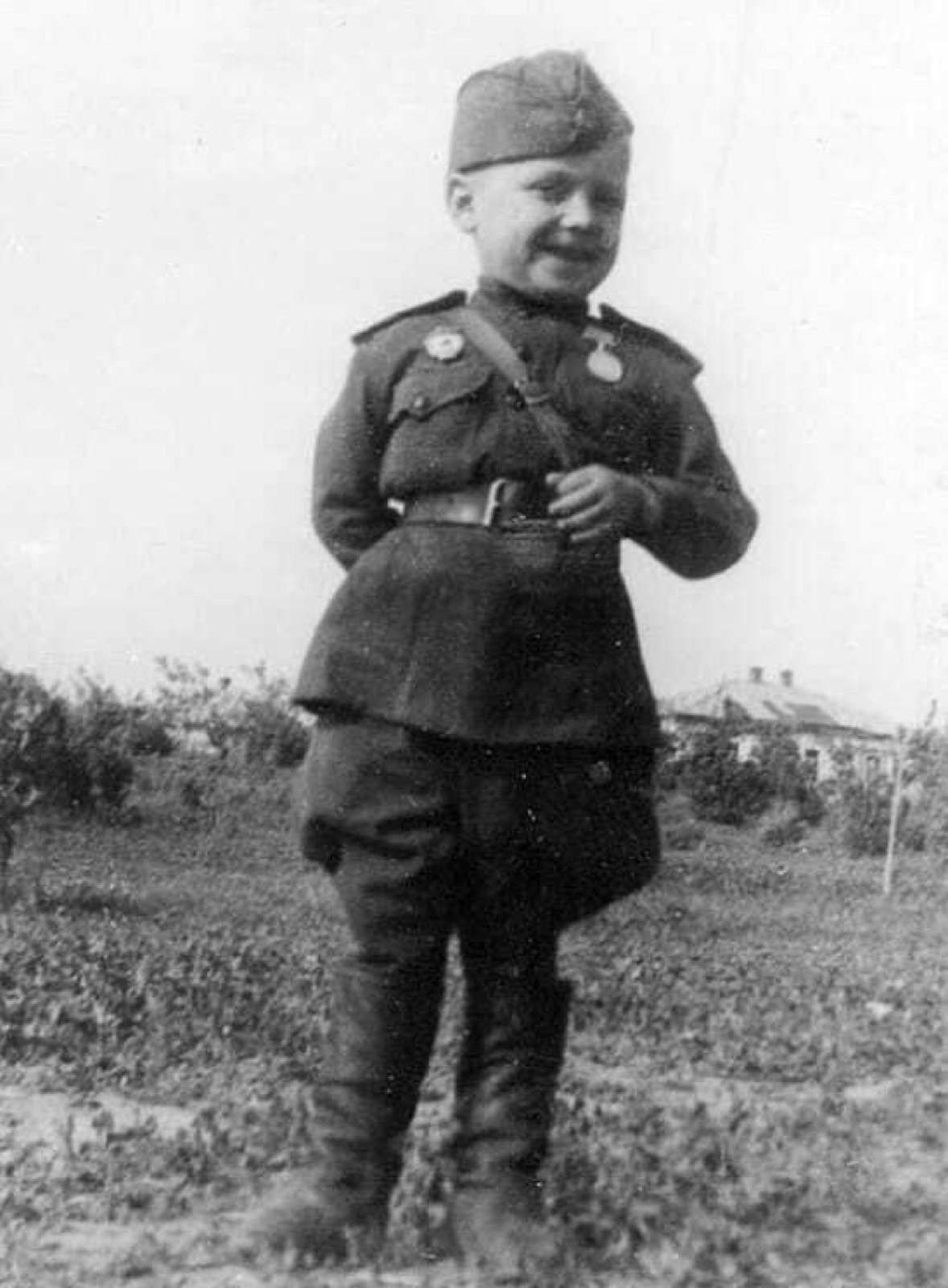
The war of 1941–1945 took an enormous number of lives. Every family suffered. Even today there is no exact figure for the dead. Even after this much time, many relatives still do not know what became of their family members.
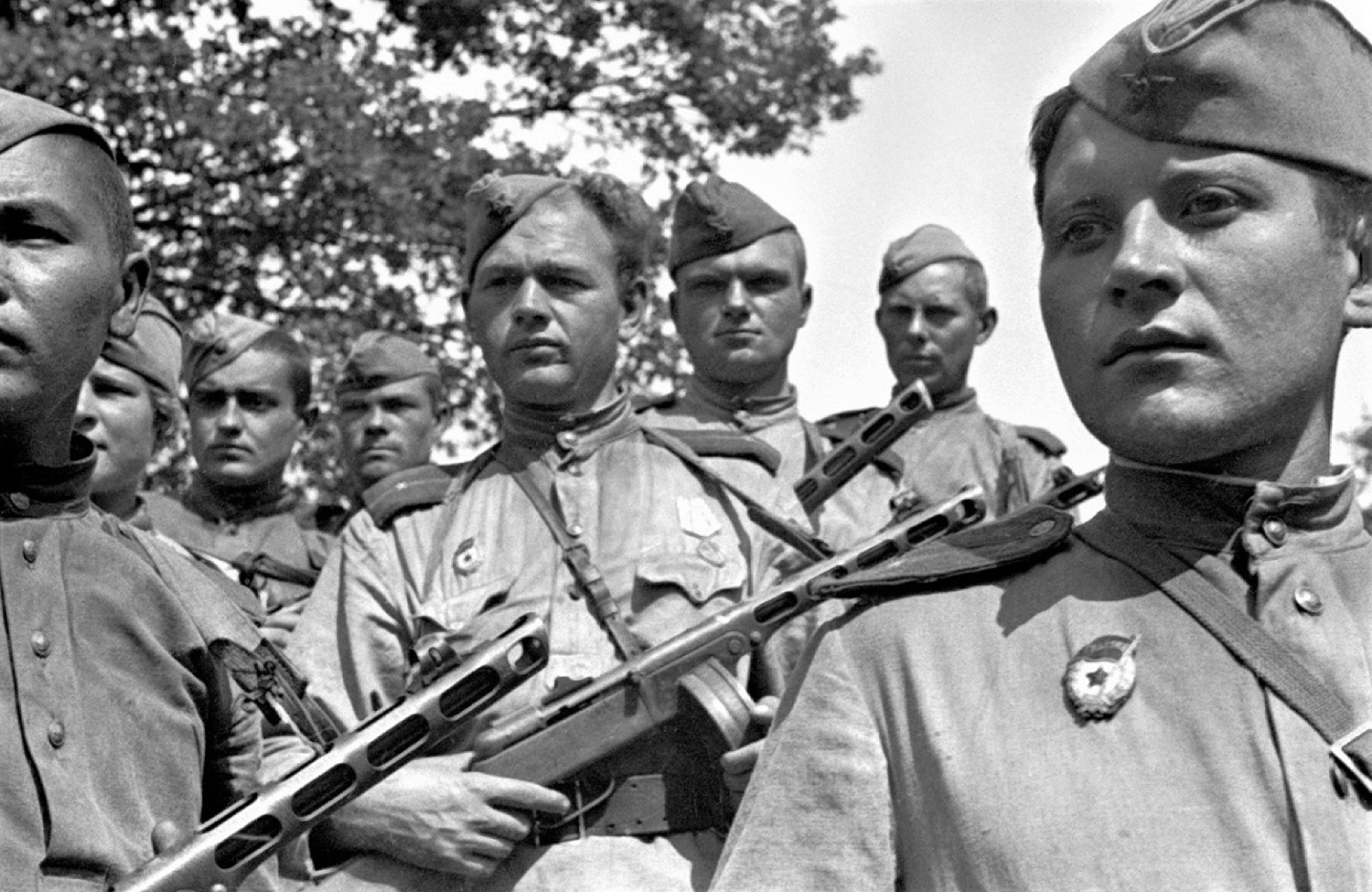
The scale of the war
The whole Soviet population took part in the Great Patriotic War — from ordinary factory workers to well-known actors. Each contribution mattered. More than half of those who went to the front did not come back. A great many are still listed as missing. Mass graves are still being discovered eighty years on, and previously closed files are still being released. The first years of the war were especially bad. The Soviet Union was not ready for the attack, and there were not enough men at the front. Mobilisation was hurried, and paperwork was often wrong. Documents were lost in retreat or destroyed in combat. Large numbers of soldiers died in German captivity, and they are still listed as missing. The conditions were inhuman: executions, scarce food, hard labour. Very few prisoners came back. The Germans tried to burn the camp archives — the lists of prisoners, the records of torture — in the last months of the war, so a large share of those records is gone. That is one of the main reasons the total number of war dead is still unknown, and why it can be so difficult to trace the fate of a relative who went missing.
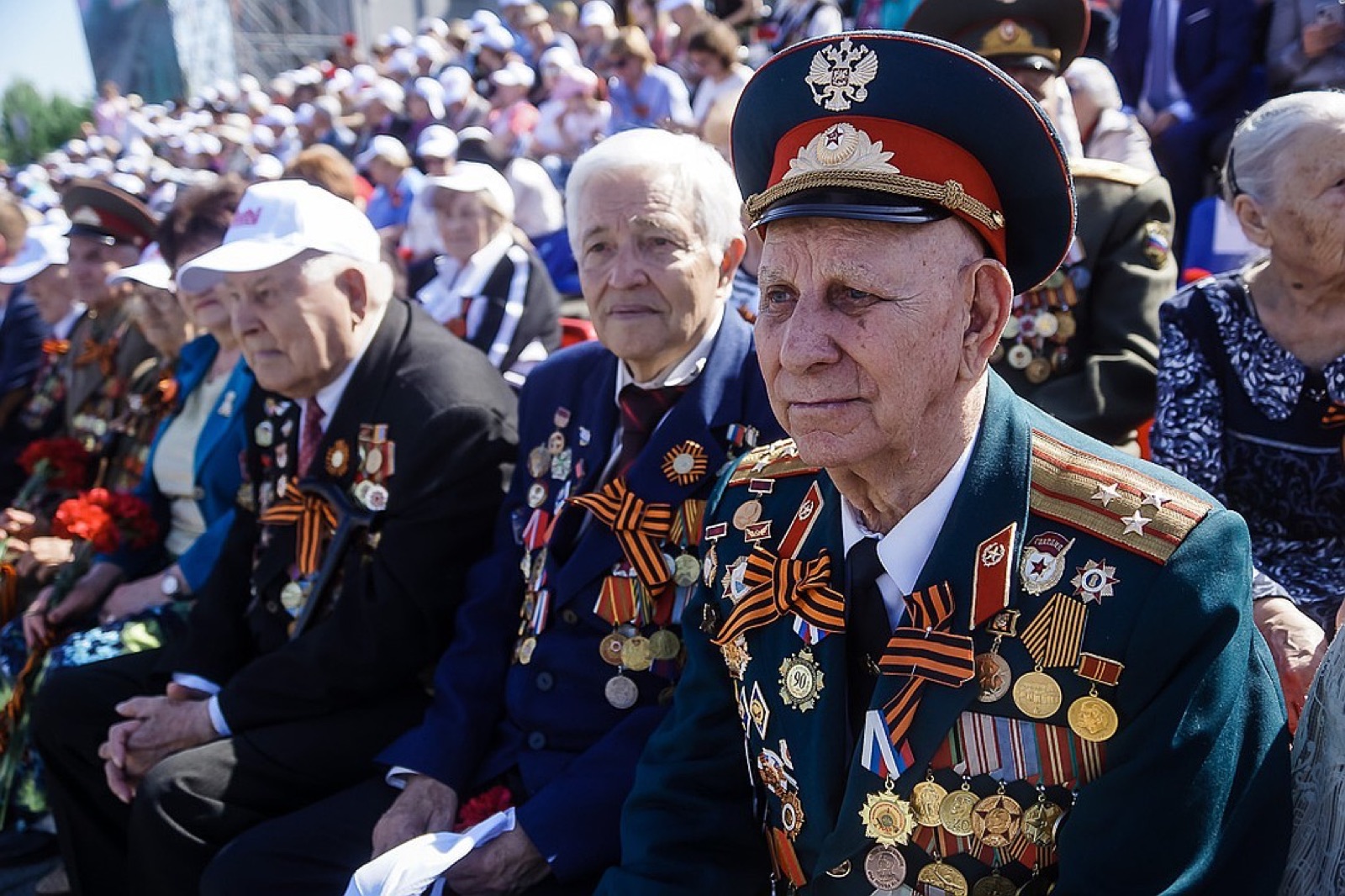
Searching the open sources yourself
The internet now offers a decent starting point. Several projects work specifically on preserving the memory of the war and on reconstructing the service path of Soviet soldiers. Doing it yourself takes effort, time and patience. Pamyat Naroda — a major project of the Ministry of Defence, supported by the Presidential Administration, which provides information on participants of the war and lets you find data on relatives. The site holds:
- 425,000 documents from fronts and armies
- 100,000 digitised military maps marked with unit positions
- 18 million award records
- 5 million initial soldier burial records
Collection and digitisation continue. Search by surname, given name, patronymic or initials and date of birth. There is an extended search by place of mobilisation and unit. The soldier's dossier shows personal details, awards and burial information if the person died of wounds in a hospital or was killed in action. Anyone can submit a story about a relative who fought, with a photograph, through the "Road of Memory" section. The site also publishes combat-operation documents, commanders' reports, orders, situation reports and video. OBD Memorial — Defence Ministry database with information on people killed or missing during the war and the postwar period. It uses checked, digitised archives and publishes documents and photographs on the fates of soldiers. For the Great Patriotic War the database holds 17 million digitised documents on irrecoverable losses and 20 million named loss records for the Red Army. Search by surname, given name, year of birth, with extended search by place of mobilisation and unit. Podvig Naroda — digital bank of award documents for the war. The Defence Ministry specialists verified the archives, photographs and documents involved. Three sections are available: People and Awards, Award Documents, and Geography of the War. Search by rank, name, year of birth, by order number and date, or by event location. Bessmertny Polk — public movement founded in 2012, now active in eighty countries. With each year fewer veterans are able to attend the 9 May celebration. The point of the movement is to keep the memory and to acknowledge each name. The site holds official archive material as well as the recollections of veterans and their descendants — memories, accounts of combat operations, of fellow soldiers, of other events of the war. Search by full name. The database accepts contributions. Other resources include archives, sites of search detachments, regional Books of Memory and libraries.
Other channels
Beyond the online resources, documents are obtainable through the archives. A written request to the Central Archive of the Ministry of Defence goes to: 142100, Moscow Region, Podolsk, Kirov Street 74. The request has to be specific and state everything you know about the soldier. Include an empty self-addressed envelope for the reply. The state archive receives material from a number of different storage locations. If the standard channels turn up nothing, the archives of the International Red Cross are worth trying. If you know the soldier was buried outside Russia, the Russian House of an EU member state or the Russian embassy in that country can help. Finding records from the war is hard work, but the memory of the self-sacrifice of our predecessors is something that needs to be passed on.