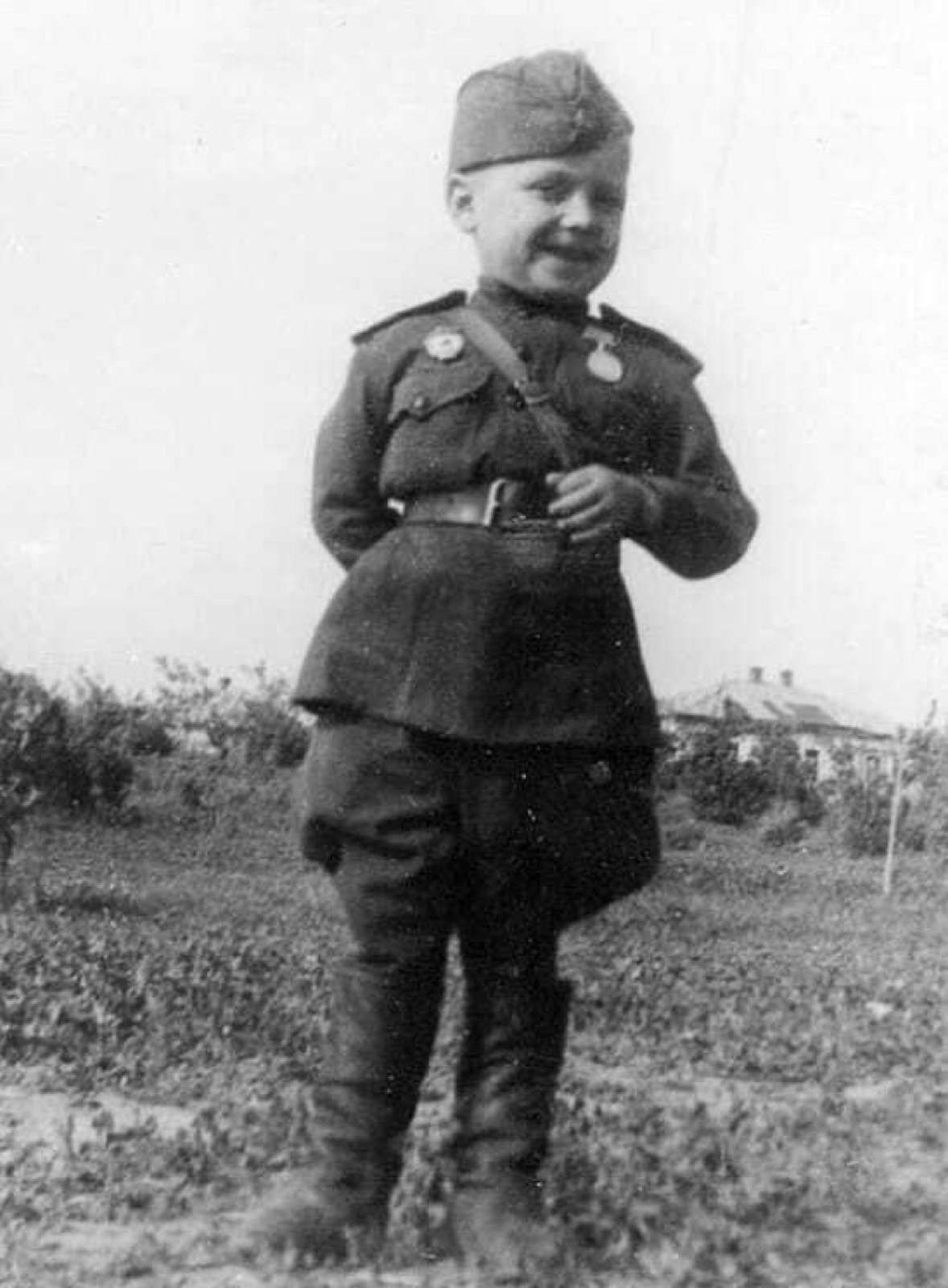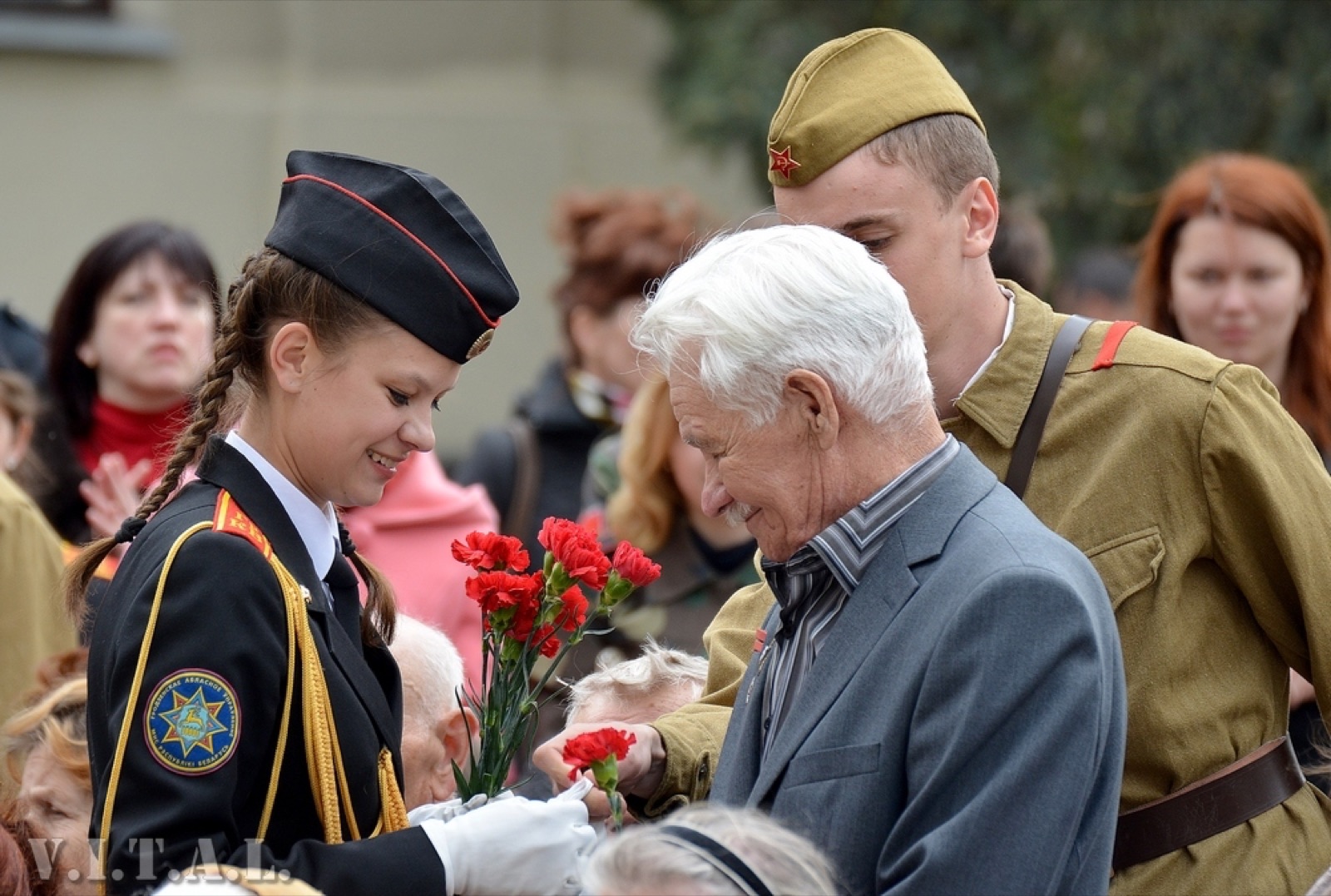
The 1,418 days of the war are further behind us every year. Fewer of the witnesses are still alive. Time passes, but the duty to remember what our ancestors did does not.
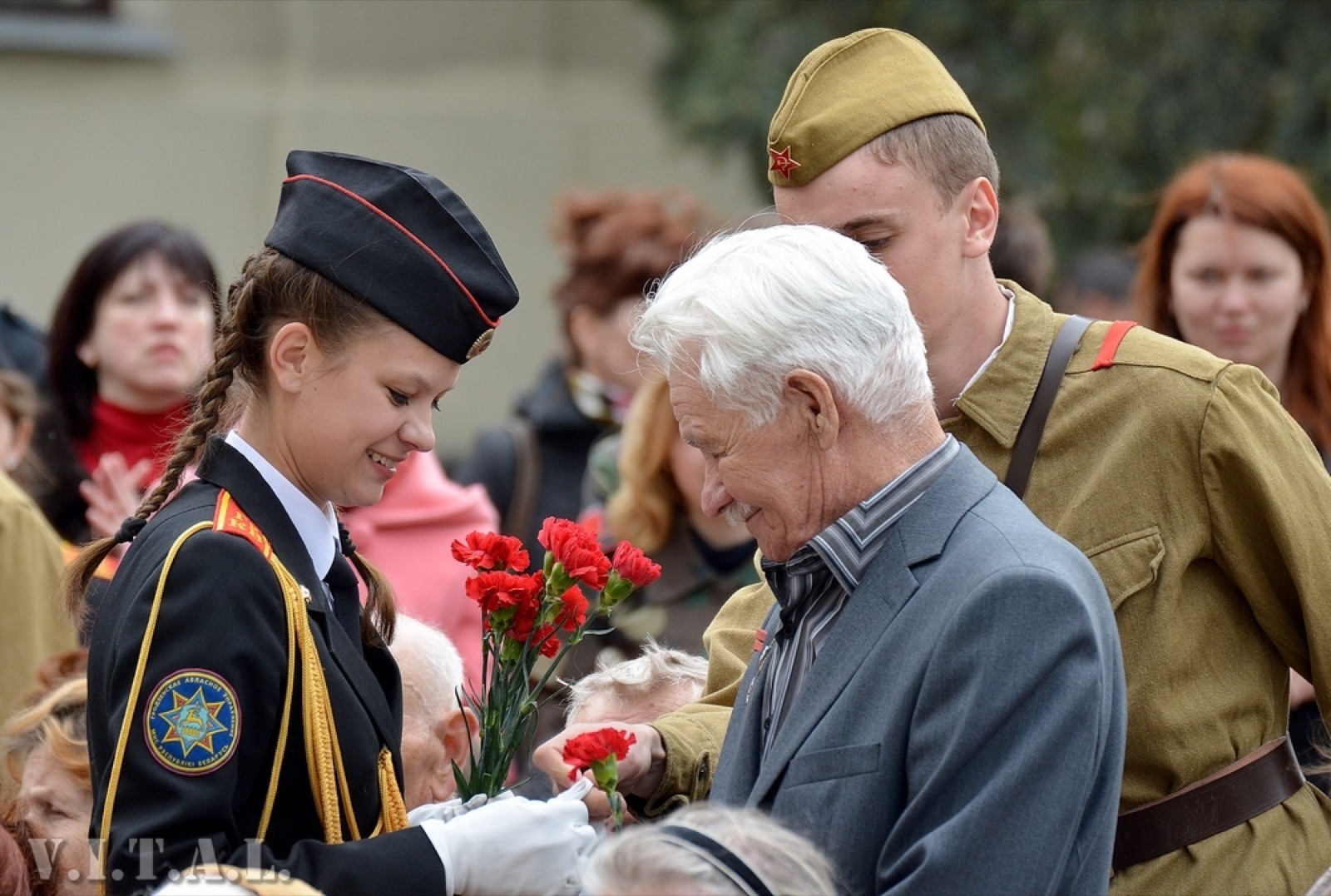
Honouring the heroes of a war that distant matters.
The war of 1941–1945
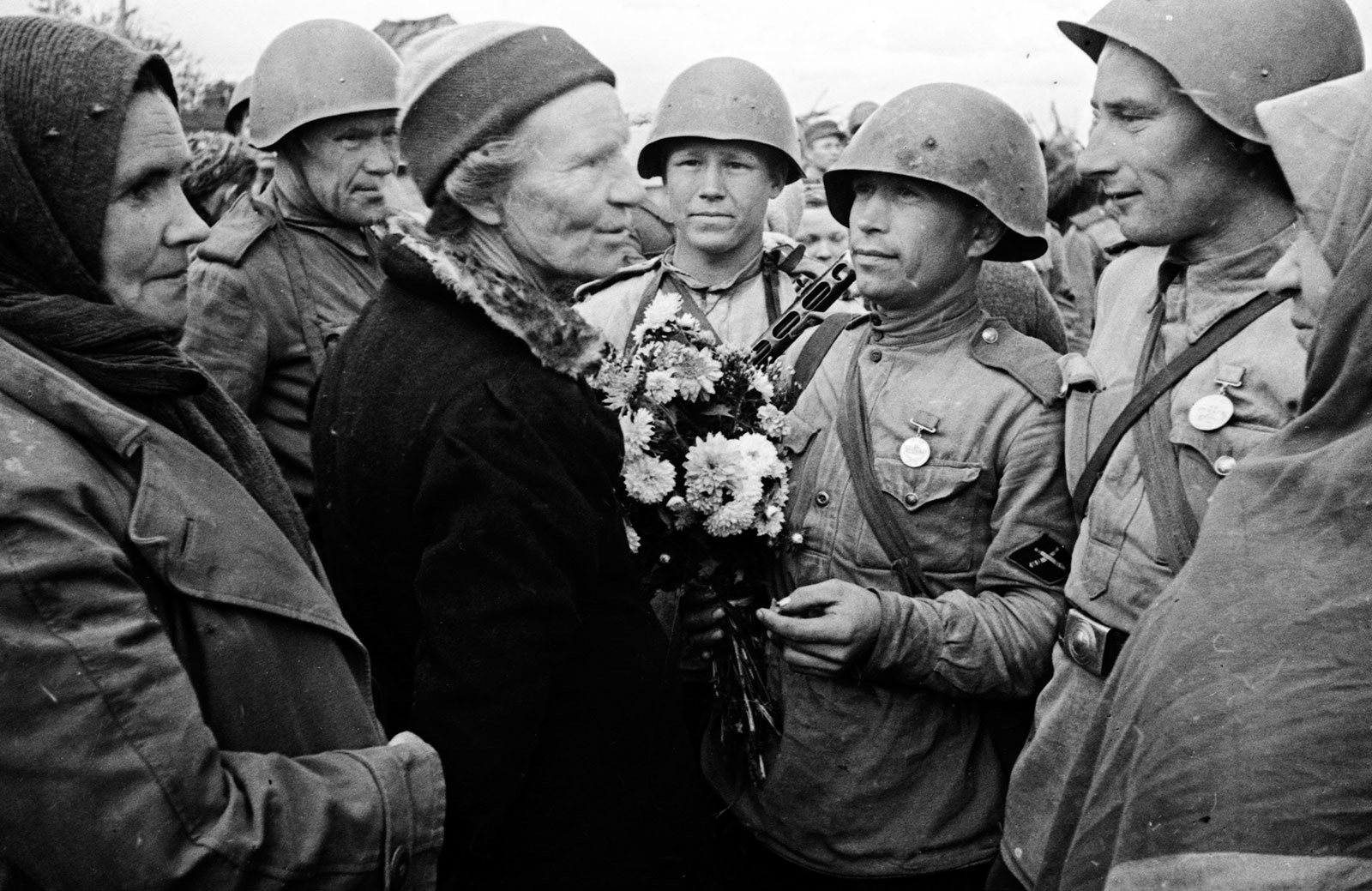
Eighty years on from the bloodiest war in human history. Millions of lives lost. Every family lost someone. The Great Patriotic War touched everyone — men, women, children. Some fought at the front, some held the rear, some fought as partisans. The war was declared early one summer morning when nothing suggested trouble. The years of fighting, hunger, hardship and death are still in the hearts of the surviving veterans. Whatever the age, our relatives worked towards victory and defended the country. The war spared no one. Half of those who went did not return to see the victory parade. The official toll is 26 million dead. The sacrifice cannot be wasted. Forgetting what they did means devaluing both their lives and their deaths.
Why it matters to tell the children
Children are the next generation. What you manage to teach them carries on through their grandchildren and beyond. It is dangerous to file the Great Patriotic War under "long ago". History repeats itself when the past is taken lightly. You sometimes see young people speaking dismissively about those years. That comes from not knowing, and from being given the wrong things to value. The notion that one people is superior to another led where it led, and that lesson is not safe to leave on a shelf in an archive. Respect for the people who held the world together must be taught from childhood. Without them there would be no country, no Russian nation, no freedom. As the years pass, fewer veterans remain who can speak about those days, and even when they do they are not always willing to relive what they saw. But the history has to stay alive if it is to be taken seriously. Books and films show the Great Patriotic War. If you decide it is not worth telling the children how the war touched their own family, then they will hear it as fiction at one remove. Real heroes will be displaced by invented ones. The nation united and won. That is fact, but the nation has to have faces. When you tell the story of a particular person — who fought, who was wounded, who died, who survived — the war becomes real and frightening. Courage, endurance, sacrifice: those are things to tell children about. The route a grandfather or grandmother or aunt or uncle walked through the war is worth knowing. When young people understand what their relatives went through and how they handled it, the small troubles of the present look small. In difficult moments there is something to measure against. Young men and women had other lives planned — work, dreams, hopes — and when the catastrophe came they became heroes. When all the descendants forget the deed of their ancestors, the hero dies for good. A person lives as long as he is remembered. Our grandparents fought for the world we have today. A whole generation gave its life for a peaceful future. Paying memory back is the smallest thing we can do.
How to find the relative
Many of the veterans are gone and can no longer tell their story. Some never came back at all, missing in action. Their stories matter — the final honours, the names. Several projects now exist to recover and preserve that memory. Pamyat Naroda (Memory of the People), set up on presidential instruction, holds digitised documents on the participants of the Great Patriotic War — their service, their wounds, their decorations, the fate of soldiers and officers. The project is run by the Russian Ministry of Defence. You search by surname and refine by year of service, place, rank or award. The project launched in 2014 and is fed both by digitised archive documents and by personal accounts. The "Road of Memory" section lets anyone add a story about their own relative. The site also publishes documents from particular operations, battle maps, video, commander's reports — useful for context. OBD Memorial — a Defence Ministry database with information on people who died or went missing during the war and the postwar period. It has done a vast amount of work recovering names. Twenty million names are digitised and available for research. The site lets you trace the fate of a relative, find a place of burial, recover the memory. The work continues; many names still sit beneath unmarked graves. Records from field hospitals and medical battalions still need to be located and digitised. Millions of prisoners of war remain unidentified. Search by name and year of birth or by burial site, camp or hospital. Podvig Naroda — the digital bank of award documents for the war. Defence Ministry specialists checked the archives, photographs and documents before publication. There are three search modes: by people and awards, by award documents, and by geography of the war. The database now contains 19 million records of decorations and continues to grow. Bessmertny Polk Rossii — the Immortal Regiment, founded in 2012. For many veterans there is no longer the option of marching in a victory parade. For the current generation, walking in column with the photograph of a relative who fought is a way of keeping the memory. The project's site lets you submit an ancestor's story or search what is already published. Pobediteli — a civic initiative aimed at the veterans who were still alive at the 60th anniversary of victory; close to a million names were gathered. The site is a way to find relatives, neighbours, comrades-in-arms. Fill in the form and someone with the right information may answer. TsAMO — if open sources don't produce a result, write directly to the Central Archive of the Ministry of Defence. State everything you know about the soldier in detail, set out what you are asking for and why, and enclose a self-addressed empty envelope for the reply. Documents about war participants reach TsAMO from military units, regional archives, departmental archives. Books of Memory — many cities and regions print their own. They feed into the All-Russian Book of Memory, but the electronic version is often unavailable; you may need to find the printed edition. When searching online, try several spellings of the surname and given name. Wartime haste produced many transcription errors, and the same goes for dates of birth and places of residence. The same name in two records can point to different people. The more data you have, the easier the identification. Volunteer organisations and student search detachments continue working to locate lost documents and lost burials, so that every name is remembered.
When to use a professional
You can do the search yourself, with time and persistence. To recover the full service record of a relative, a professional researcher is the faster route. We start with what is in the open access. The electronic databases are checked first. From there we work outwards. Records of combat service may be held in any of several archives. We build the line of search around what the family already knows. Documents are studied, queries are sent to archives, the answers are analysed. If the person died in combat or went missing, we look for the burial place and the circumstances of the last days. The result of the work is a final document — sometimes a formal report, sometimes a full book about the relative's service. It contains the stages of the work, the result, copies of documents and archival extracts. As a book it becomes a heirloom, easy to pass on. The format makes it easier for children to take in the story and carry it forward. Telling them about their relatives becomes a less abstract conversation. Every 9 May the book goes back onto the table.