What a service record is
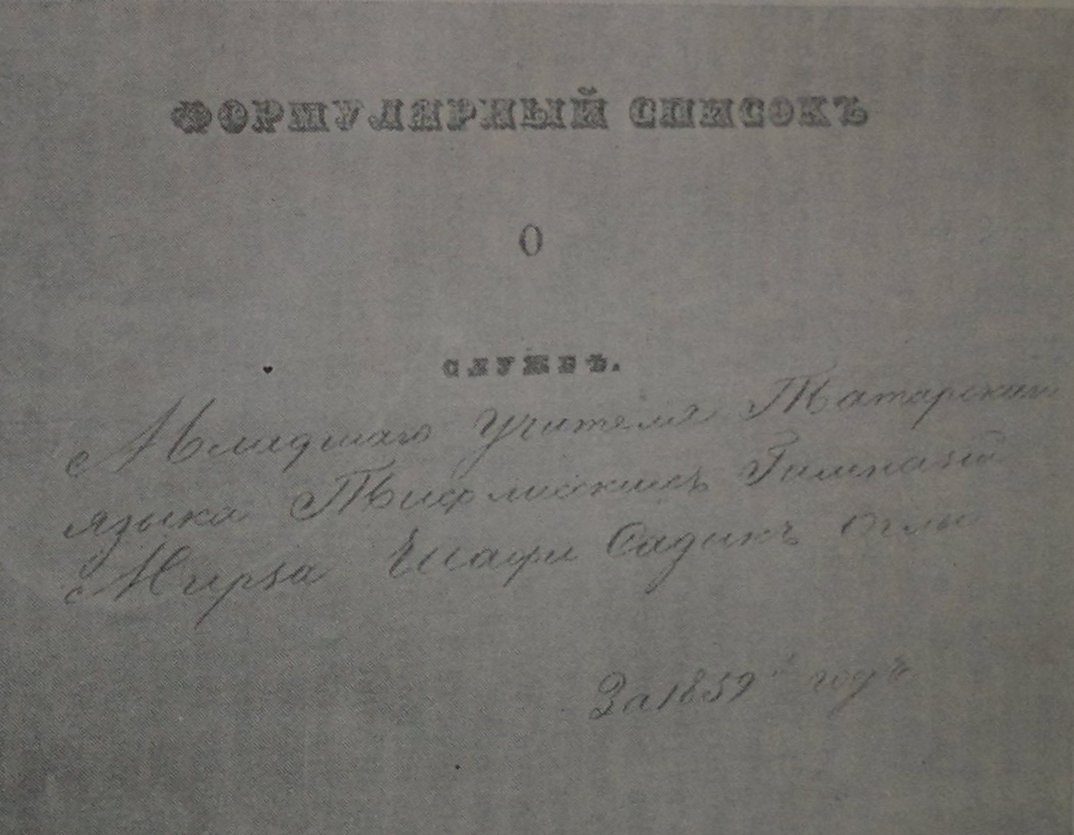
Service records were introduced by Catherine the Great's decree of 1764 to keep account of imperial officials, and were used right up to 1917. They were kept for army officers, civil officials and clerks. Staff without rank, couriers and copyists, did not appear in them.
What a service record contains
Depending on the period and department, a service record had between 9 and 15 columns:
- first name, surname, patronymic
- origin (often with the service records of the father and grandfather)
- rank, age, date of entry into service
- education and where it was received
- every previous post
- the date, place and grounds for each promotion
- salary
- participation in campaigns and battles
- marital status, with details of wife and children: names, ages, where they studied
- whether the person owned serfs and where they were
- records of any judicial inquiries
The great strength of a service record is reliability. It was compiled from written data supplied by other departments and signed by the official himself.
Where service records are kept
To search, you need to know the post and the department the ancestor served in. You can find this in address-calendars, the annual directories of officials. The memorial books and address-calendars of Moscow province for 1842–1914, for example, are on istmat.org.
Service records are held in the fonds of pre-revolutionary authorities in regional archives, and in the federal ones: the Russian State Historical Archive (RGIA), the Russian State Military-Historical Archive (RGVIA) and the Russian State Archive of the Navy (RGA VMF).
From practice: how a service record opened 400 years of noble history
Clients often come to Family Relic believing they have noble origins. In one case, papers from a noble assembly together with service records let us trace the line to the end of the 16th century, more than 400 years of family history. A caution though: noble files need cross-checking against revision lists and parish registers, because they sometimes contain falsified data.
Looking for an ancestor who was an official or officer? The genealogists at Family Relic work with RGIA, RGVIA and regional archives. More at myrodoslovie.ru