One of our clients, Viktor, wrote to RGADA himself in 2023. The reply came in 2025. Two years of waiting is not the exception; it is normal for anyone who does not know how this archive works. Here we set out which fonds a genealogist needs and where to start, so you do not lose years for nothing.
What RGADA holds
RGADA is a vast collection of state records from the Russian Tsardom and the early Empire, before and just after Peter the Great. It keeps central and local administration, the fonds of the prikazy (chancelleries), family and monastic archives, manuscript books and land-survey papers. For a genealogist the population censuses and the records of service people are the most valuable.
The main fonds for genealogy
Start with a few key fonds that cover most estates and most regions of Russia.
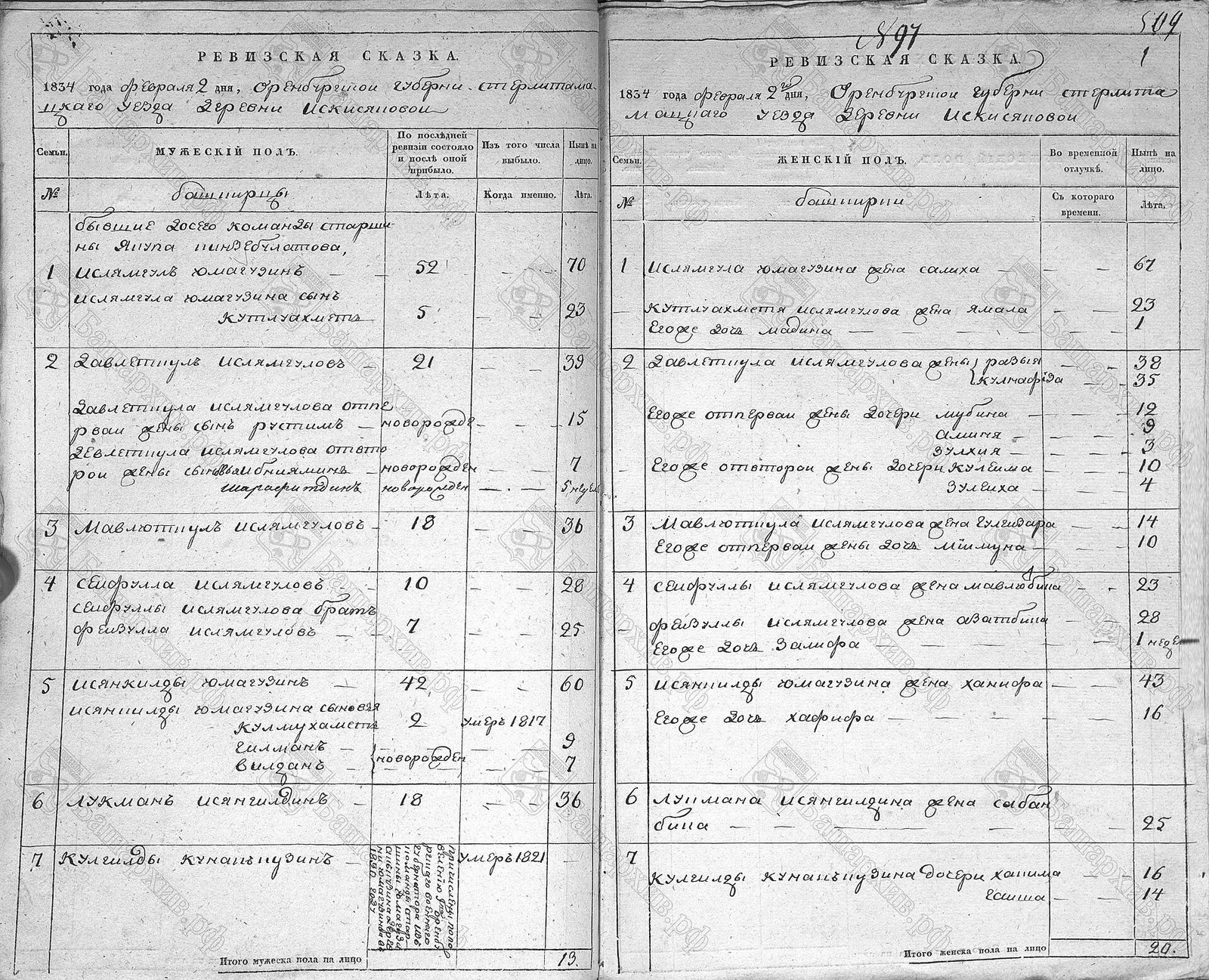
Fond 350, 'Landrat books and revision lists', holds the first three revisions and the Landrat census (1712–1763). You can find peasants, townspeople, merchants and some categories of military men here. It is digitised, which makes the work much easier. The first revision for Siberia sits in fond 214.
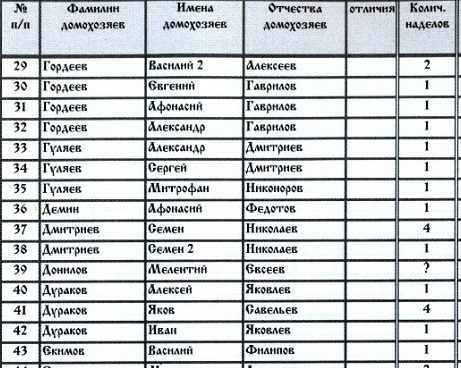
Fond 1209, the 'Pomestny Prikaz', contains patrol books from the 1610s, scribe books from the 1620s and 1680s, and census books from the 1640s and 1670s. For some regions there are even 16th-century cases. Inventory 2 of the same fond holds landowners' grant books for 1578–1758, recording land grants and counts of peasant households. The files are on microfilm.
Fond 210, the 'Razryad Prikaz', is the administrative record of Russia's main military department from 1577 to the early 18th century. If your ancestors were odnodvortsy (single-homesteaders) or Cossacks, the search almost certainly leads here. The files are on microfilm.
Fond 214, the 'Siberian Prikaz' (1655–1765), holds an enormous body of data on those who moved to Siberia: peasants and service people, fort dwellers, the yasak-paying population. A good result in this fond usually opens the way to fonds 210, 350 or 1209.
Supporting fonds
When the main fonds turn up nothing, genealogists go to the supporting ones.
Fond 137, 'Boyar and town books' (1495–1718), is a mixed collection from various departments: census books, customs books, pay-distribution books. If what you need is not in fonds 210 and 1209, look here.
Fonds 237 ('Monastery Prikaz') and 281 ('Charters of the College of Economy') cover 1561–1795 and are especially useful for monastery and church peasants. Fond 281 has a convenient electronic index searchable by heading.
Fond 1354, 'Plans of the General and Special Land Survey' (1746–1917), holds survey maps at a scale of 1 cm to 84 metres. The accompanying papers often include copies of 17th- and 18th-century deeds used as proof of land rights.
Why doing it yourself is hard
Most files in RGADA's main fonds still have no index or register. The researcher has to work through the documents alone, with no reference database to lean on. Reading 17th- and 18th-century cursive takes a real skill; without it, even a basic search for names and patronymics turns into hours of work.
From our own practice: the parish registers of a single village in the Altai region, settled for more than 200 years, turned out to be split across four different archives and one village museum. RGADA rewards method and a professional approach.
Want to find your ancestors in RGADA? The genealogists at Family Relic know how this archive works and run the search without the years-long queue. Request a search at myrodoslovie.ru