The genealogist Alina Akatkina shared a hard story: in a single year three members of the older generation of one of her family branches died, the last keepers of that memory. 'Over the year, during visits to my grandfather, I asked him questions and wrote down the names of his aunts and uncles. But the sheet is lost. I never managed to talk to his brothers either.' Here is how to avoid that in your own family.
When to start
Now. Not when you have time, not 'sometime next week'. Every conversation with an older relative is a chance that may not come again. The good news: grandparents usually love to talk about their youth, their childhood, the people who are gone. They only need someone willing to listen.
How to prepare for an interview
Write a list of questions in advance, or you will miss what matters. Get a recorder or a phone for audio: recording by ear means losing details. Video is better still; it keeps the intonation, the expressions, the emotion. Warn your relative beforehand so they can settle in and recall details.
What to ask: a checklist
Childhood and youth. Where and when were you born? What did your house, your street, your village look like? What were your brothers' and sisters' names, and when were they born? What did your parents do? How did the family get through the war, hunger, collectivisation?
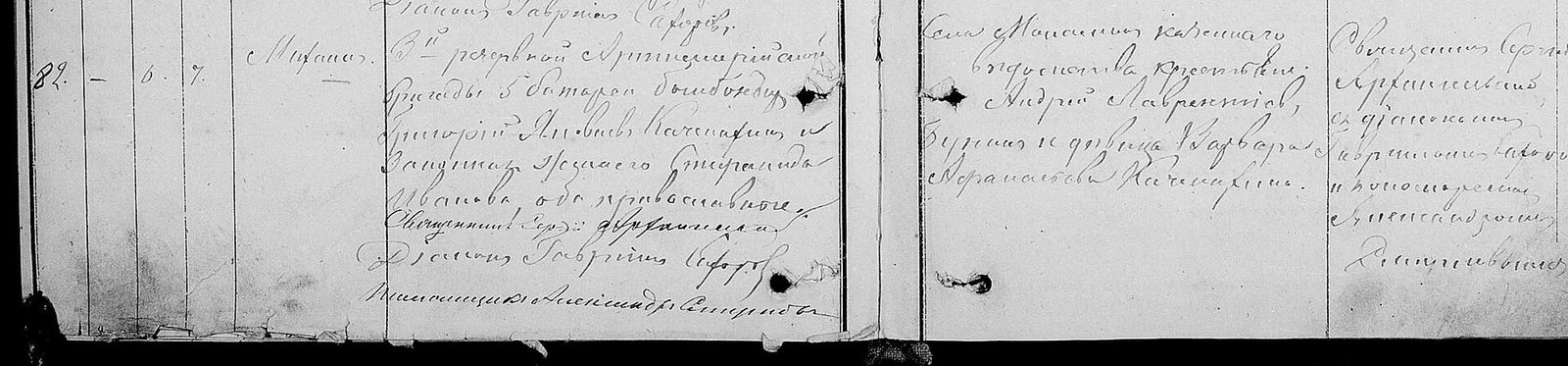
Ancestors. What do you know about your parents and grandparents? Where were they from? What stories were told about them? Do you have old photographs, documents, letters?
Moves and events. When and why did the family move? Where did you study and work? How did you meet your spouse?
People. Which relatives lived nearby? Who did you befriend, who did you fall out with? Are there relatives you lost touch with?
Heirlooms. What objects came down from the older generations? What did they mean to the family?
How to store what you gather
Keep audio and video in several places at once: cloud storage, a memory stick, a computer. Archives do not back themselves up; that is your job. Photograph handwritten notes as well. Scan old photographs at high resolution and write the names of everyone in them on the back.
The genealogist Vadim Vlasov also advises writing your own biography, in detail, point by point: place and date of birth, where you studied and worked, your parents, the events that mattered. 'No one knows your life better than you do.' A generation from now, that record will be as valuable a first source as your grandparents' memories are to you today.
What to do with the material
Do not lock your research away in a cupboard. Publish what you gather on genealogy forums and platforms: VGD, FamilySearch, Familio. That gives you a chance to meet distant relatives who hold information no archive has. A family's history lives as long as it is shared.
Want to turn family memories into a full family tree? Family Relic can help, from the first interview to a finished family book. Find out at myrodoslovie.ru