
What most people know about a great-grandparent is a name and a death date. In rare cases, a birth date too. What sits behind the dash between those two dates — a whole life, unrepeatable, full of events that may have shaped a country — almost nobody knows. And there is plenty to learn from the people who came before us.
Grandfathers and great-grandfathers fought a war. Grandmothers and great-grandmothers walked their husbands and sons to the station and went grey waiting for the next telegram. Many of them buried children lost to hunger. Their parents, in turn, lived through the revolution, the First World War, the civil war, the waves of repression, the dekulakisation. Go one generation further back and you are talking about people who lived under serfdom. Every family in Russia has a line that reaches into the sixteenth century, and the records exist to find out what kind of people walked that line.
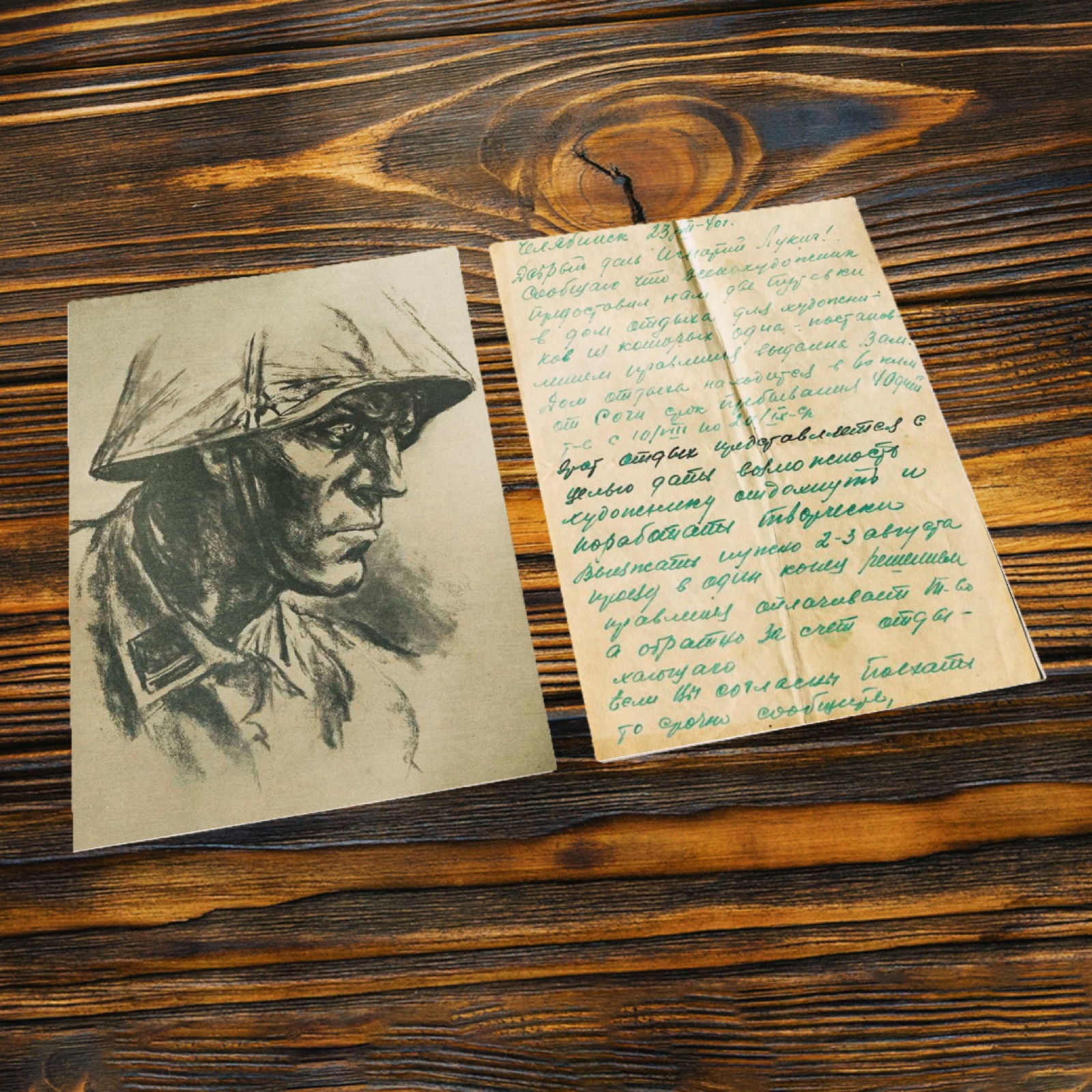
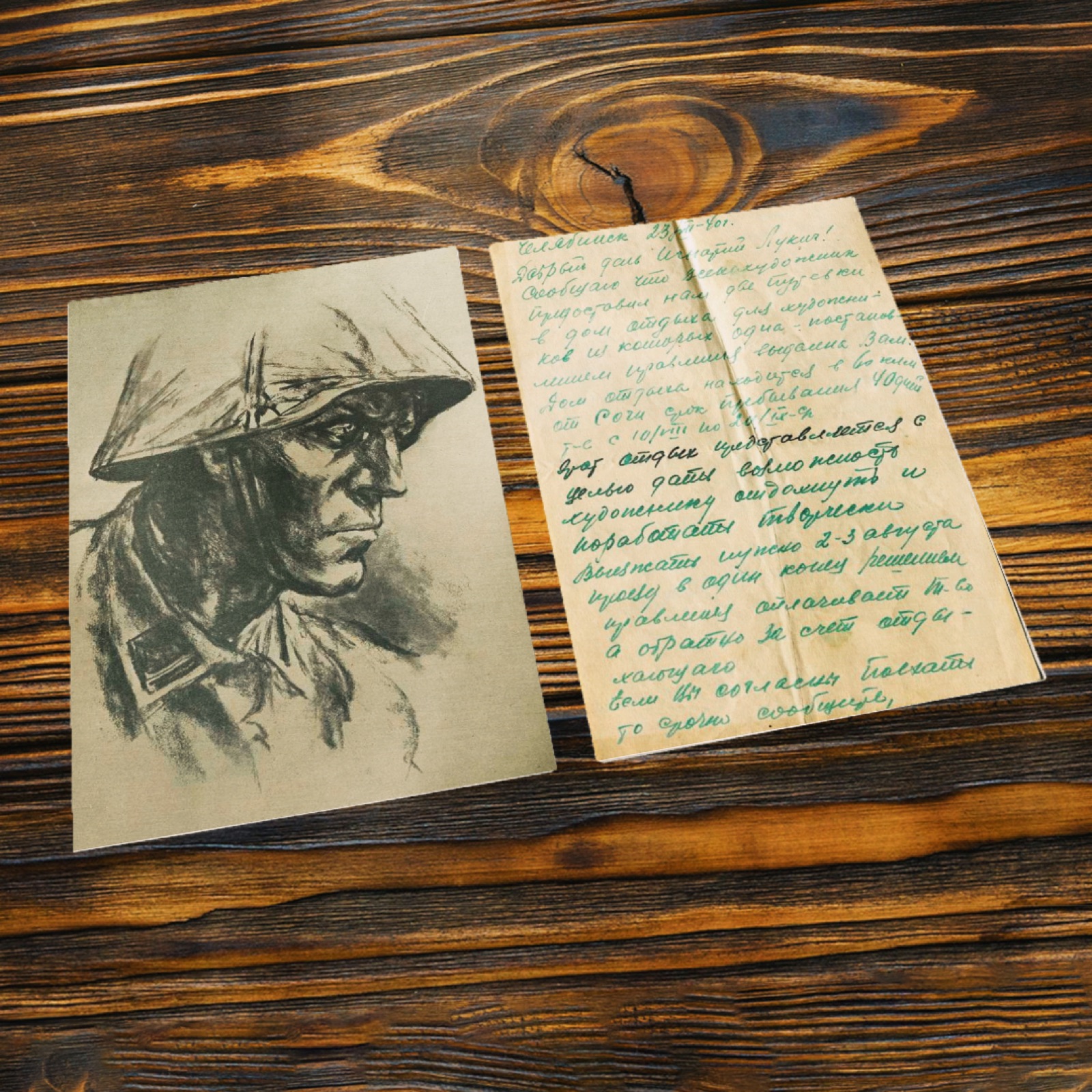
Working with archives, ancestors stop being abstractions. They are not names and dates any more — they become people with a life story, with documented places of birth and residence, with the names of the priests who baptised their children. Sometimes the work turns up a letter written in their hand. You can imagine where the letter was written — a dugout at the front, a kitchen at an oak table by candlelight, a desk in a regimental office. Sometimes a photograph turns up. You see the face, the build, the cut of the clothing, and from then on every story about that person has a face in it.
What would they have told you if you had met? What might they have taught you? Those questions are unanswerable, but knowing the shape of the life that produced you changes how you read your own. The information is in the archives. It needs someone to ask for it.


