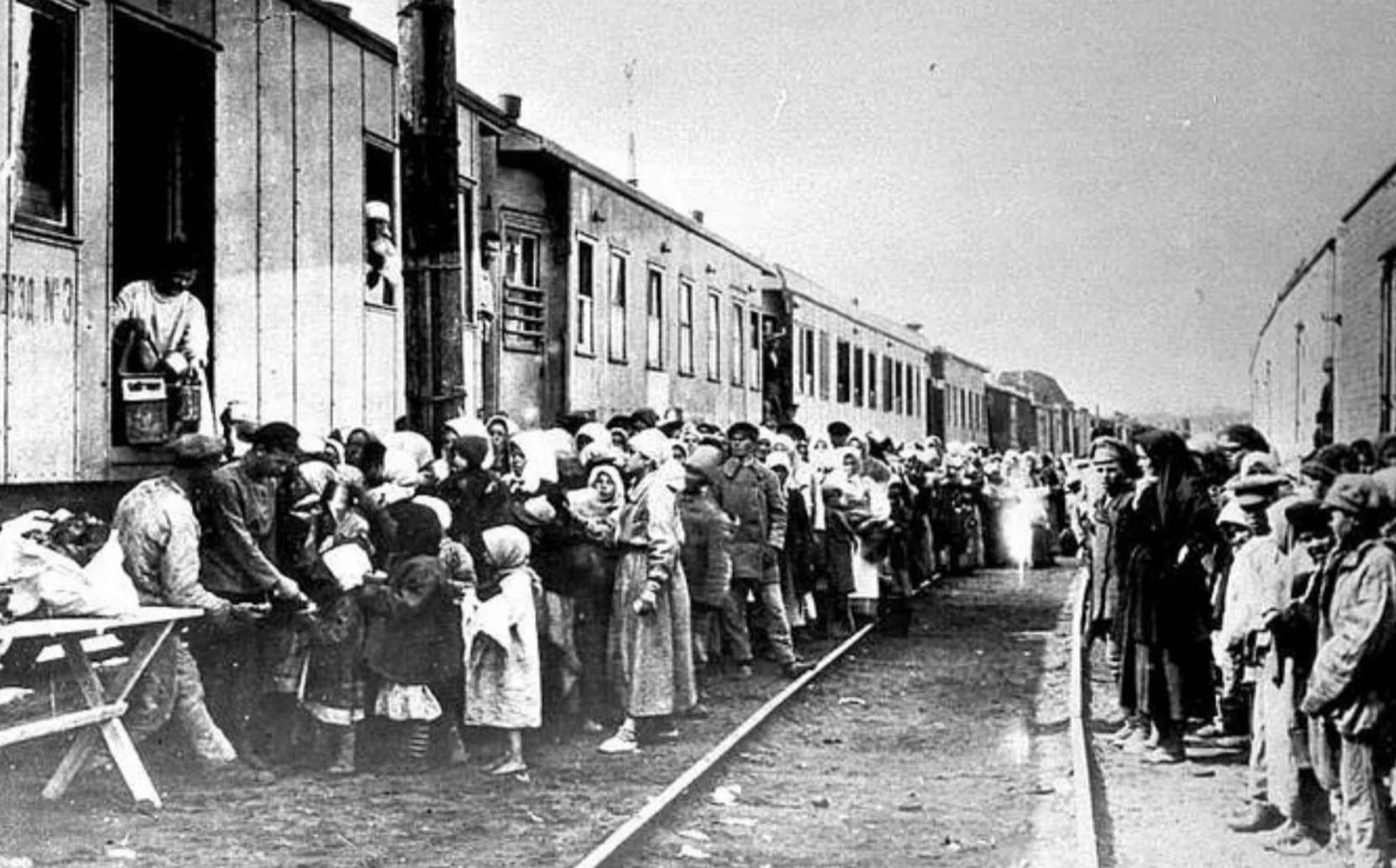
Families often do not know where a relative or a close friend rests. This happens most frequently with people who served in the army or took part in wars, but ordinary lives also get lost in the noise of the century. Several methods exist for tracing a burial by surname, given name, and patronymic. In most cases, the full name is enough to start.

Why the search matters
Tracing a grave by name and patronymic (the Russian patronymic adds the father's Christian name and is itself a piece of evidence) can yield real information about a person's life and origin. It also helps put together biographical details that are hard to find in any other record. For a relative who died before the twentieth century, when civil registration did not yet exist in some regions, locating the grave may be the only way to confirm a date or place of birth.
Where to find out about the burial place
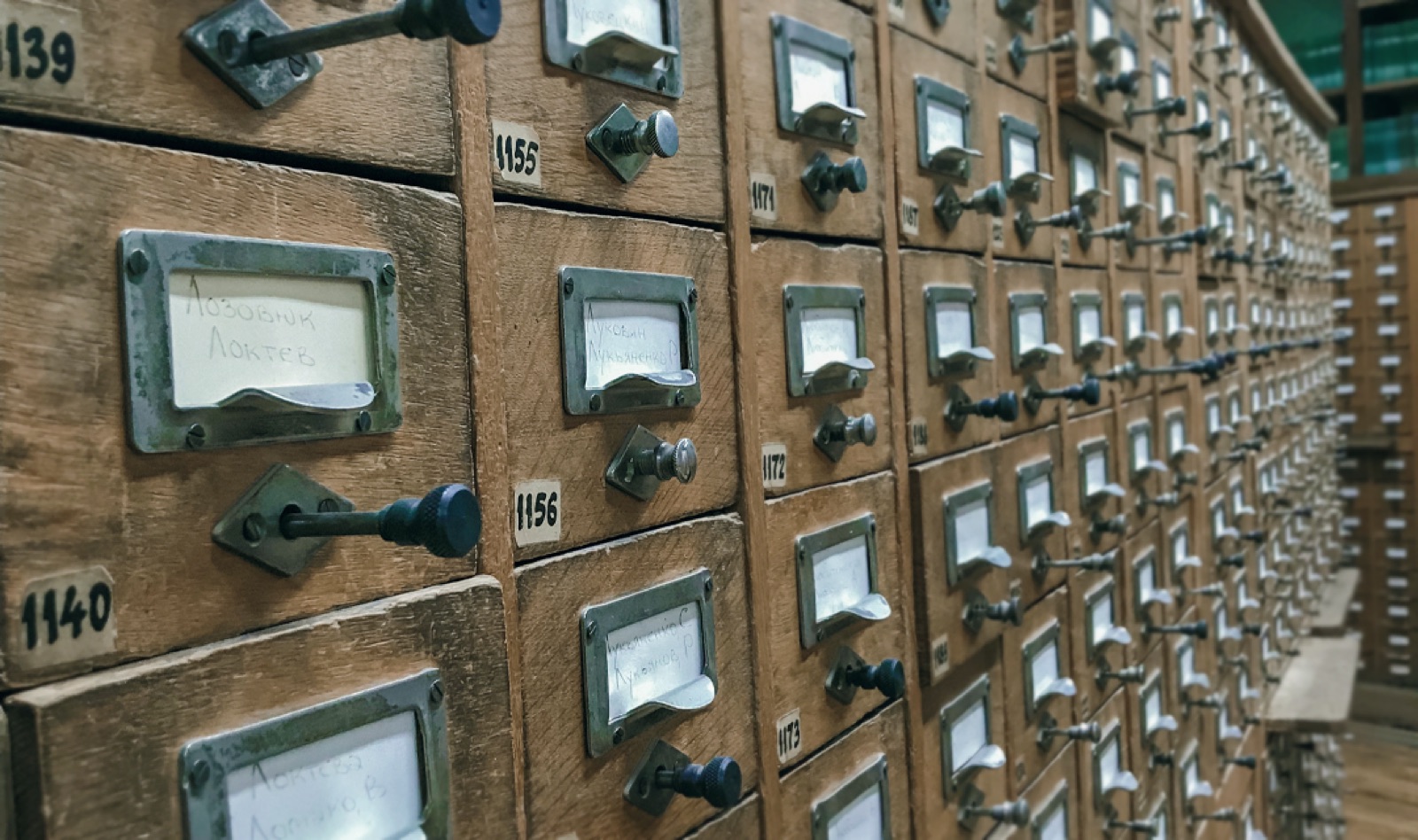
The most reliable route is church records or cemetery registers, where they survive. Some parishes kept detailed burial registers for decades.
A cemetery register usually contains
- the name and surname of the deceased
- the date of death
- the plot or row number
Local newspapers are a second source. Obituaries were published with funeral details. Many regional papers have been digitised on archive portals, so a search by surname and the word "некролог" (obituary) often turns something up.
What parish records can give you
Parish records often point to a grave even when no headstone survives. Some older churches kept hand-drawn cemetery maps showing who was buried in each plot. These maps were updated as new burials happened, so they can localise a grave that has no surface marker. Active churches with long histories often hold burial registers that list people buried before civil registration began. Those books sometimes include the age at death and the place of residence — data that is hard to obtain elsewhere. Civil registration started later in many regions, so for the period roughly 1700–1850 a parish register may be the only document that exists.
ZAGS — the civil registry office
ZAGS (Запись актов гражданского состояния) is the Russian civil registry office that records births, marriages, deaths and other status events. From 1918 onwards, ZAGS replaced the parish priest as the official record-keeper.
Going to ZAGS makes sense once you have exhausted the church archives in the relevant district. A written application is required, and most regional offices will expect you to demonstrate that you have already checked the parish sources within reasonable distance. Prepare a paper trail before you apply.
What the application needs to include
- the full name of the deceased
- the date of birth (an approximate year is acceptable if the exact date is unknown)
- identifying details that help locate the entry: place of residence, occupation
- your contact details and the reason for the request
Under current rules, ZAGS may refuse a request from a person who cannot prove kinship. This was introduced to protect the privacy of the deceased and their immediate family. If you are not a close relative, you may need a relative to sign the application or work through a notary.
Soldiers of the Great Patriotic War
For families looking for relatives who fought in the Second World War, war cemeteries (both inside Russia and abroad) are an important second front. Many soldiers were buried either in the foreign territory where they fell or in their homeland, depending on the circumstances of the battle. Mass graves and field burials were common, and the documentation often lives in specialist databases rather than civil archives.
OBD Memorial (obd-memorial.ru) and Pamyat Naroda (pamyat-naroda.ru) — the two main free Russian databases — hold scans of original military death records, hospital cards, and burial passport sheets. A search by surname usually returns at least a starting point.
Online resources
A growing set of databases lets families search for burial places without leaving the house.
What is available online
- public cemetery websites with searchable plot indexes
- genealogy forums where local volunteers help with regional searches
- commercial databases run by genealogical centres
- crowd-sourced grave registries like findagrave.com (international, with growing Russian coverage)
These sources vary in completeness. Some only cover specific cities or particular cemeteries. Others promise universal coverage and deliver patchy results. Use several at once rather than trusting any single one.
What a professional centre adds
Genealogical centres run the searches that take too long for one family to do alone: pulling regional archive holdings, cross-checking parish records with revision lists, requesting military files from TsAMO and FSB archives, working through municipal cemetery offices that do not answer email.
Our work on a burial search usually combines several of these channels at once. The result is a documented trail showing how the grave was identified, with copies of the source records. If the grave is on a foreign cemetery (Poland, Germany, the Baltic states, Hungary), we coordinate with local researchers.
The honest part: not every burial can be found. Some graves are physically lost (cemeteries demolished, mass graves never marked), and some archives were destroyed during the war. We tell you what is realistic before we start, and we charge for time, not for guarantees we cannot make.