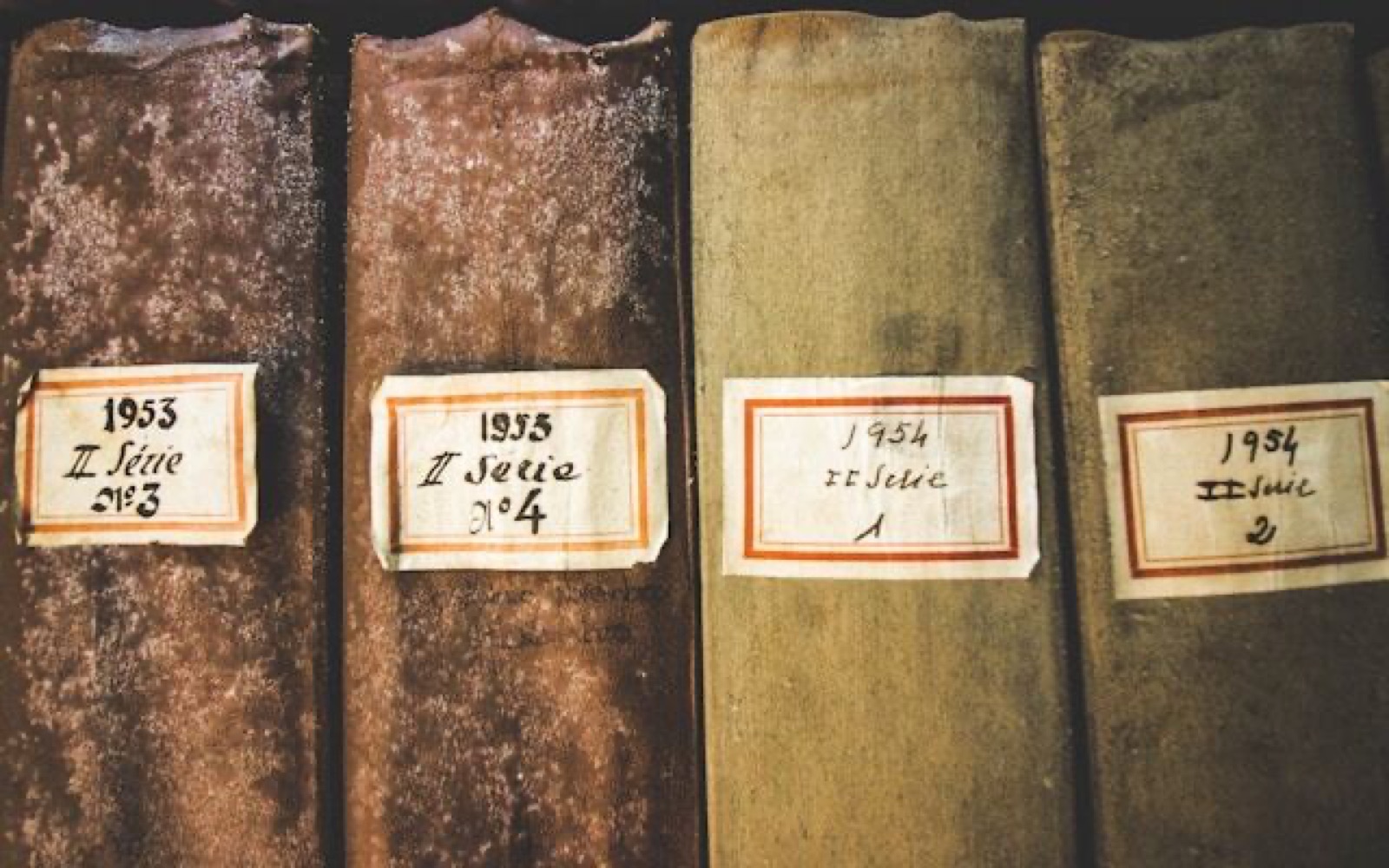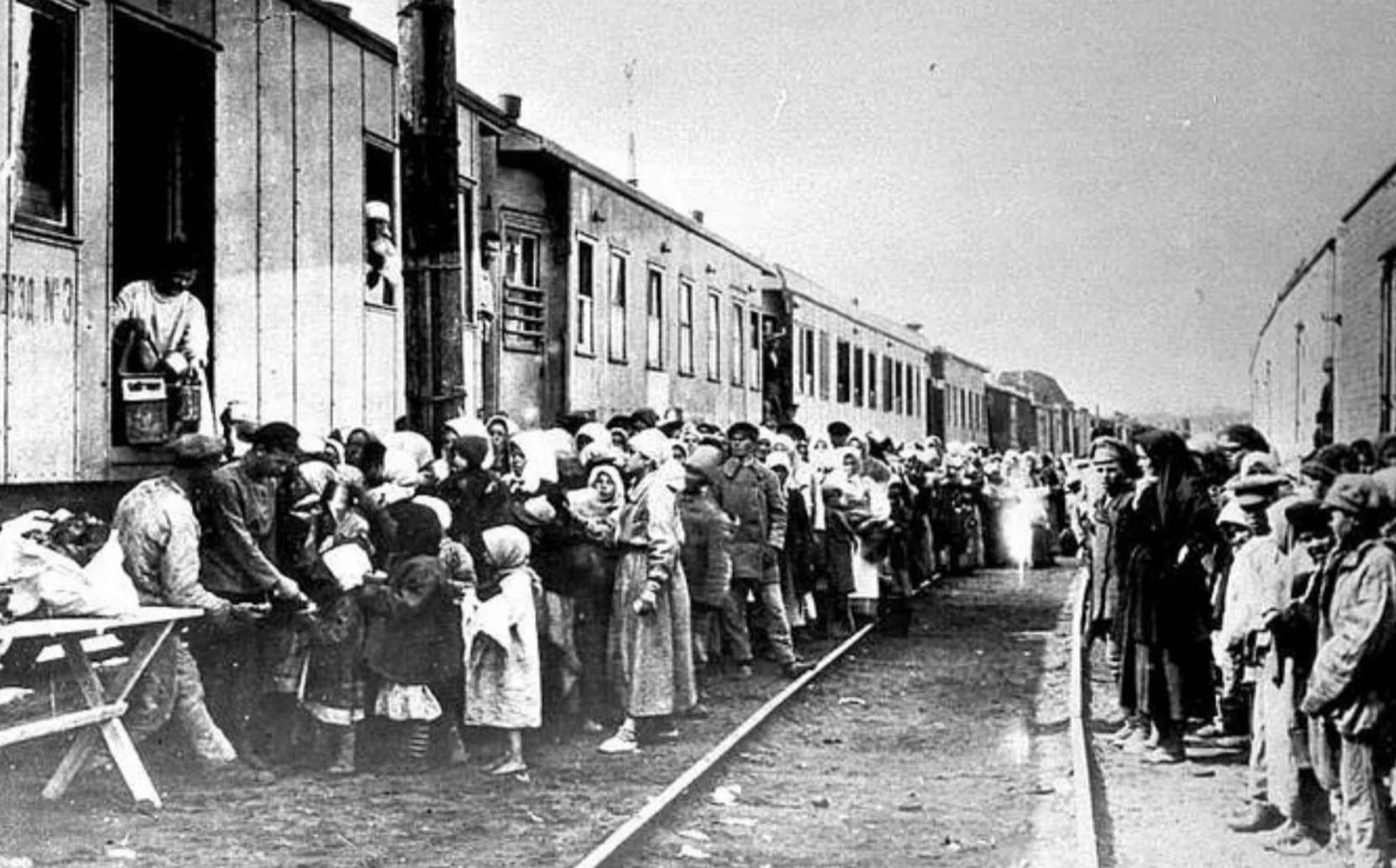
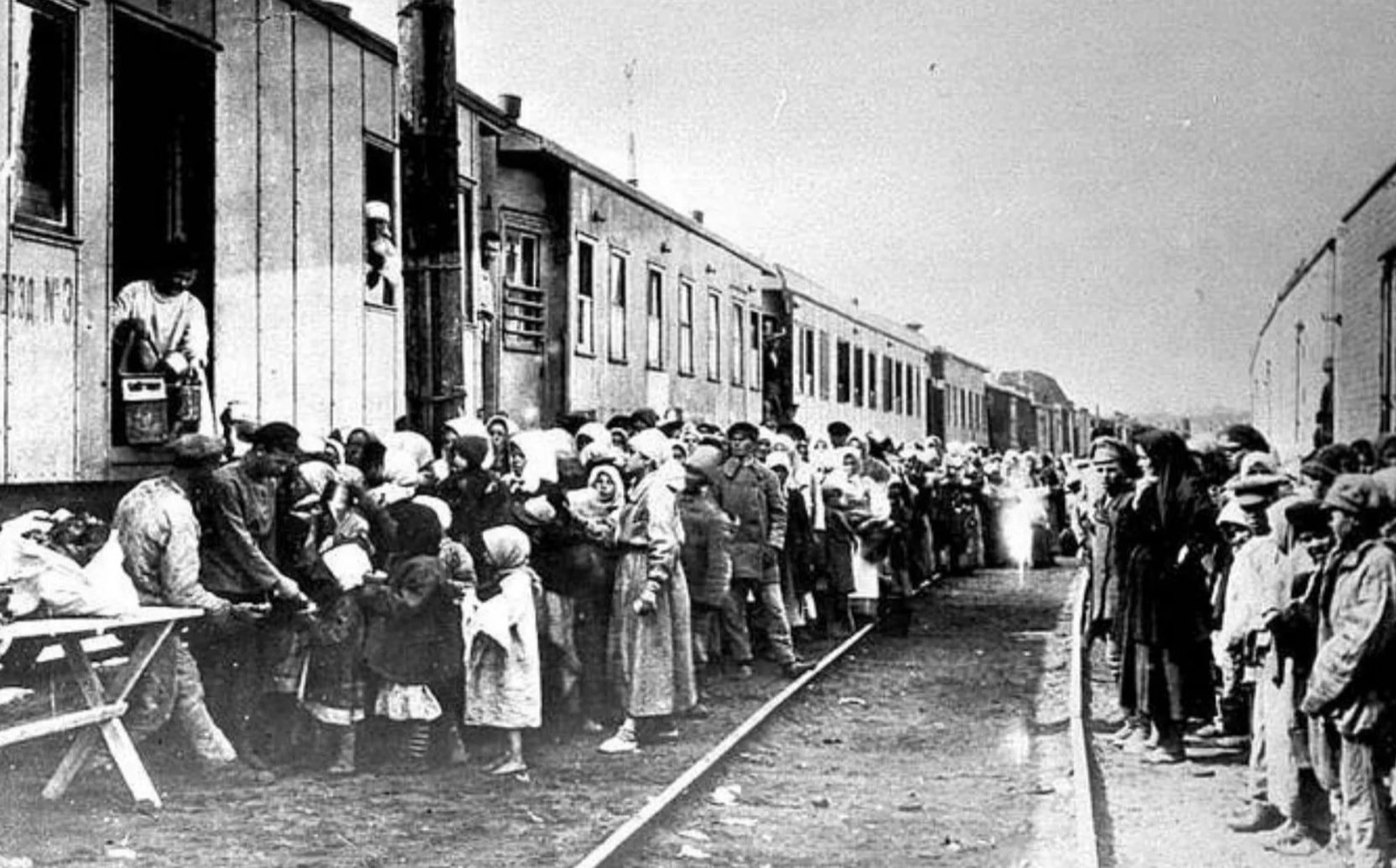
In practice, two kinds of families. The ones who know — there is a grandfather who was shot in 1937, an aunt who was sent to Kazakhstan, a great-grandmother who never spoke about her first husband. And the ones who don't know, but probably should look. The repressions touched several million people, and the silence around them was deliberate and effective.
What "repression" formally means
Russian law of 1991 recognised political repression as coercive measures by the state against people deemed dangerous to the political order. The forms included:
- execution and imprisonment
- forced psychiatric confinement
- loss of citizenship and exile from the country
- special settlement — exile to a designated region with restrictions
- forced labour with restricted freedom
- other deprivations of rights on political, religious, social or national grounds
The four largest categories of victims:
- people sentenced under political articles — to execution, prison terms or exile
- kulaks — peasants exiled to camps or special settlements
- deported peoples — entire ethnic groups removed from their home regions
- mobilised labour army workers — specific nationalities sent to forced-labour assignments
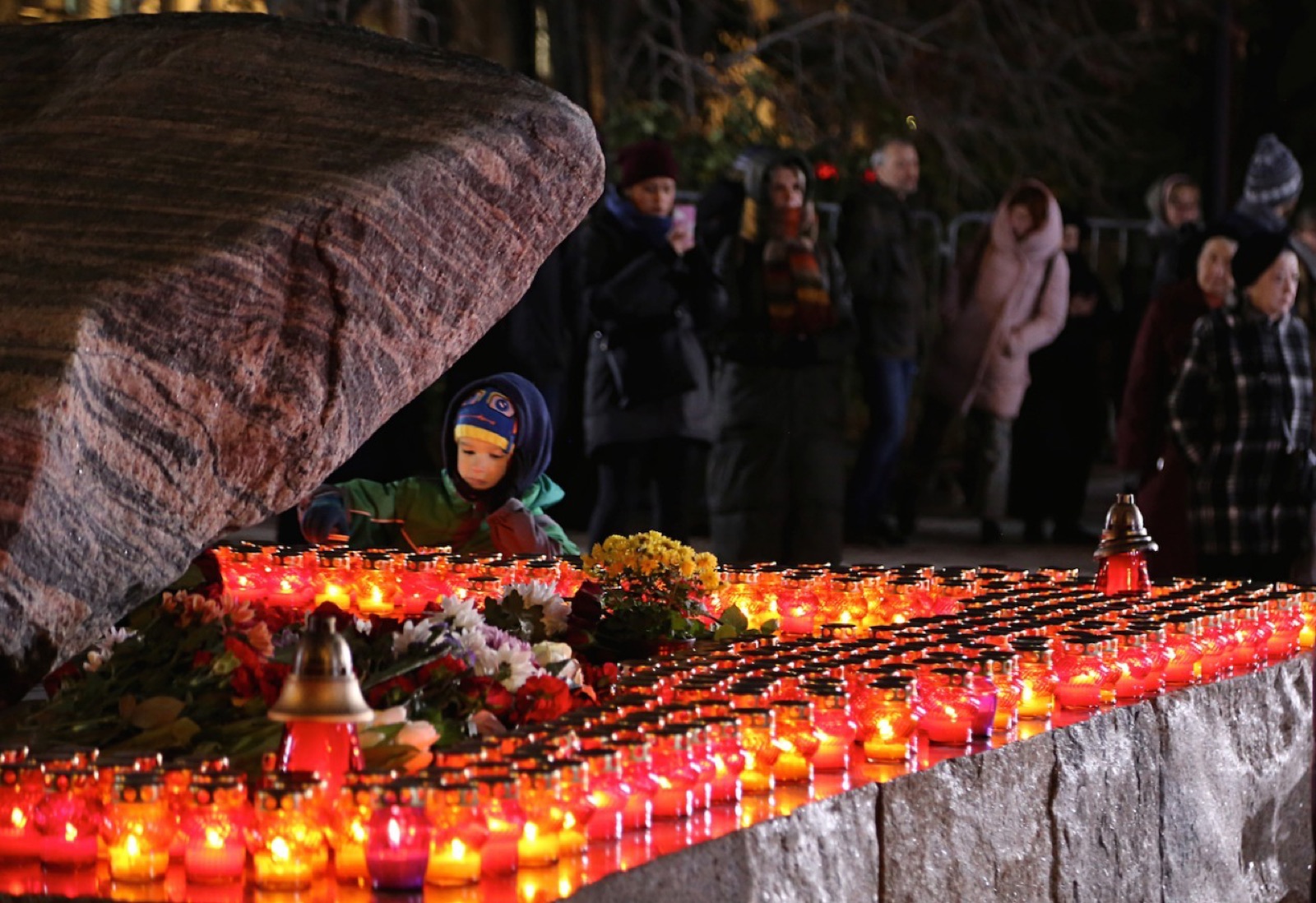
On 30 October, the annual Returning of the Names commemoration is held at the Solovetsky Stone in Moscow, with victims' names read aloud throughout the day. Similar commemorations happen in other cities.
How to start
The same opening moves as any other genealogical search, but with one extra factor: silence in the family.
Talk to the older relatives
The first generation knew not to talk; the second was raised to not ask. By the third generation the story has often dissolved into one or two fragments. Talk to whoever is left and create a setting that feels safe — at home, recorded if they agree, not in front of children. What you specifically need:
- surname, first name, patronymic — with any spelling variants you have heard
- full date of birth, or the closest narrowing you can manage
- place of residence at the time of arrest
- occupation, party membership, anything that might have been the formal pretext
- any letters, photographs or documents the family kept
Search the home archive
A surprising amount survived. Look for personal correspondence — return addresses sometimes carry camp identifiers. Photographs taken in the camps or at special settlements. Rehabilitation certificates issued in the 1950s or 1980s. Old passports — internal passports of the Soviet period carried entries about prior convictions and special-settlement status.
Civil registry (ZAGS)
Death certificates issued in the 1950s and 1960s sometimes carry the real cause of death, sometimes a fictional one (a heart attack in 1937 often means a bullet). Either way, the record fixes a date and a place. ZAGS records less than 100 years old are at the local office; older ones are at the regional state archive. Proof of kinship is normally required.
Open databases
Two large databases cover most of the country, and several regional projects fill the gaps.
- OBD Memorial — built from published Books of Memory of victims of political repression, plus unpublished sources. Searchable by name, year and place of birth. Around three million entries.
- Open List (Otkrytyj Spisok) — a community-edited database of victims of repression between 1917 and 1991. Anyone can create or expand an ancestor's page, which means new names appear as families receive their files and add the names of other prisoners they find inside.
Regional Books of Memory often contain entries that never made it to the national databases. The largest paper collections are at the Sakharov Centre in Moscow and the Returned Names Centre at the Russian National Library in St Petersburg.
Filing a request: practical points
A few things that make the difference between an answer and a refusal.
- Allow for misspellings. NKVD clerks and later transcribers introduced errors. Patronymics were sometimes Russified for non-Russian names. Run the search with at least two spelling variants of each surname.
- Year of birth often differs by a year or two — peasants didn't always know their exact date of birth. Don't constrain the search too tightly.
- Administrative borders changed repeatedly. A village that belonged to one region in 1937 may belong to a different region today, with the files in yet another archive. Check the territorial history before assuming an archive doesn't have the file.
- Add occupation, party affiliation, or nationality as secondary search criteria. They help disambiguate common names.
- In your letter, ask the archive to forward the request to the appropriate institution if they don't hold the file themselves. Some institutions do this automatically, but writing it out improves the chance.
- Most archives require proof of kinship to release personal data. Notarised copies of birth, marriage and death certificates are the standard. To save costs, send simple photocopies first; only notarise once an archive confirms they have the file.
- In the request, give surname, given name, patronymic, year of birth, place at the time of arrest, and — if known — the type of repression.
Ask for any photographs and correspondence to be sent alongside the formal certificate. Include your full contact details: postal address, phone, email.
Which archive to write to
The rule of thumb is that files stay where the case was opened.
Investigation files for political articles are usually with the regional FSB archive of the region where the arrest happened. Administrative cases — exile, special settlement, kulak deportation — are usually with the regional MVD information centre.
Camp records are with the MVD information centre of the region where the camp was located, not the region of arrest. A personal file followed the prisoner: it was opened at arrest, accompanied them to the camp, and stayed there. If the prisoner died in the camp, the file was preserved permanently. If they were released, the personal file was usually destroyed and only a registration card survives.
Information on deported peoples and special settlers — kulaks and other forcibly resettled groups — is also at MVD information centres. If little is known beyond the biography, write to the central MVD information centre in Moscow; they can usually point you to the right regional archive.
A 1991 law required KGB-era files to be transferred to ordinary state archives. The transfer is uneven across regions. Rehabilitation files are with the procuracy or regional court archives, depending on when the rehabilitation was granted.
For thoroughness, send the request to several institutions at once — FSB, MVD, FSIN, state archive. A fan-out search costs more in postage and notarisations but finishes faster.
When access is refused
Refusals come in two forms.
The first is that the file simply does not exist or could not be found. Nothing to do but try other directions — neighbouring regions, related institutions, ethnic Books of Memory.
The second is a refusal on grounds of personal-data confidentiality. Russian law restricts access to personal data for 75 years from the date of repression. Inside that window, access is granted to documented relatives. Outside it, access should be open, although in practice many institutions still ask for proof of kinship. A refusal on state-secrecy grounds requires that the documents be formally declassified before you can read them; this is a slow procedure but not impossible.
When professional help pays off
Repression research is one of the cases where amateur effort hits a wall faster than usual. The records are split across several archive systems, requirements differ by region and by archive, and the difference between a useful request and a wasted one is often a few words. A genealogist who works with these files regularly knows which archive currently answers, which has been silent for a year, and which department inside the FSB regional office handles a given category of files.
For most families, the result is worth the effort. Restoring an investigation file, a photograph, a final word — these recover a relative's real place in the family's history, which the original repression set out to erase.