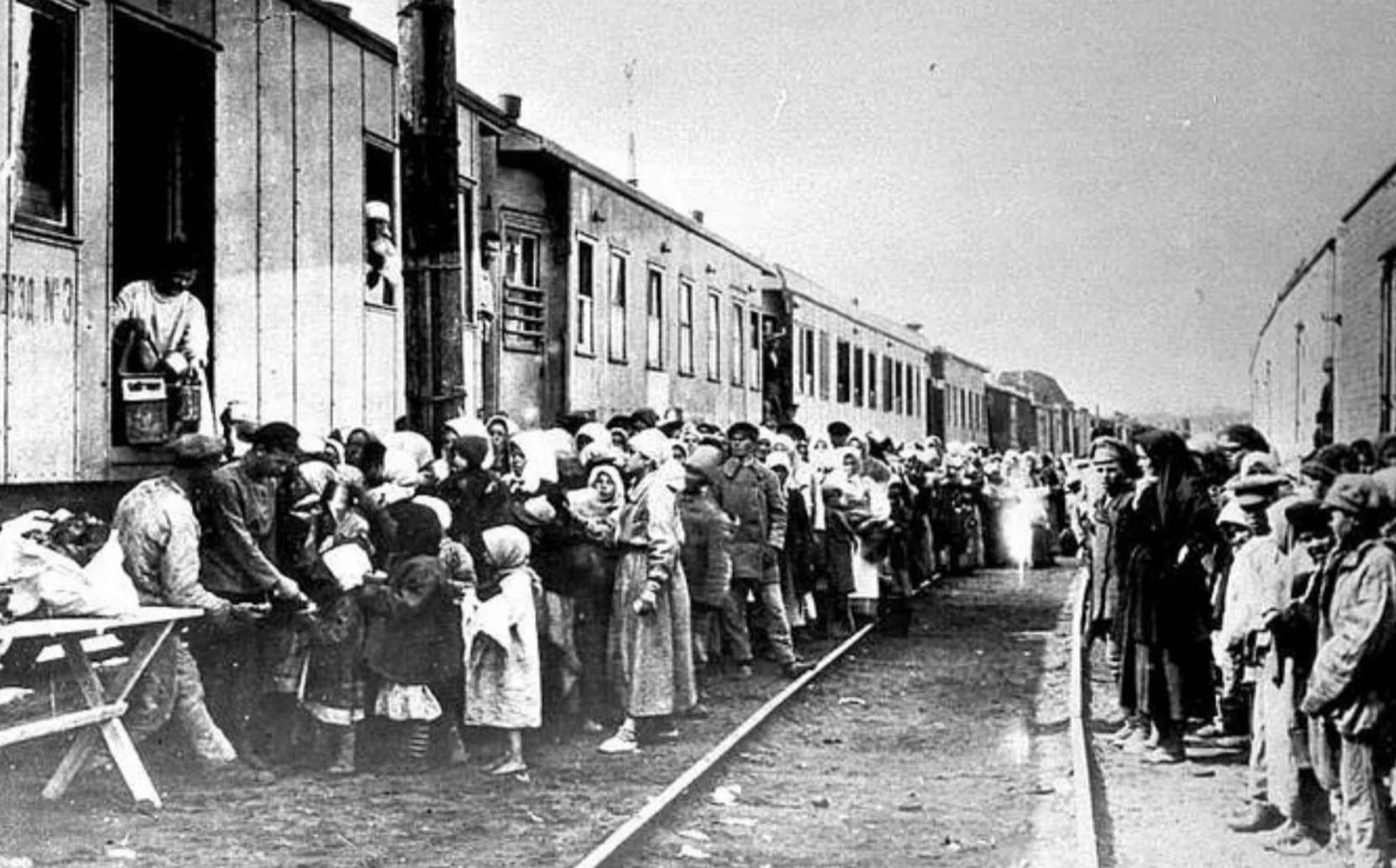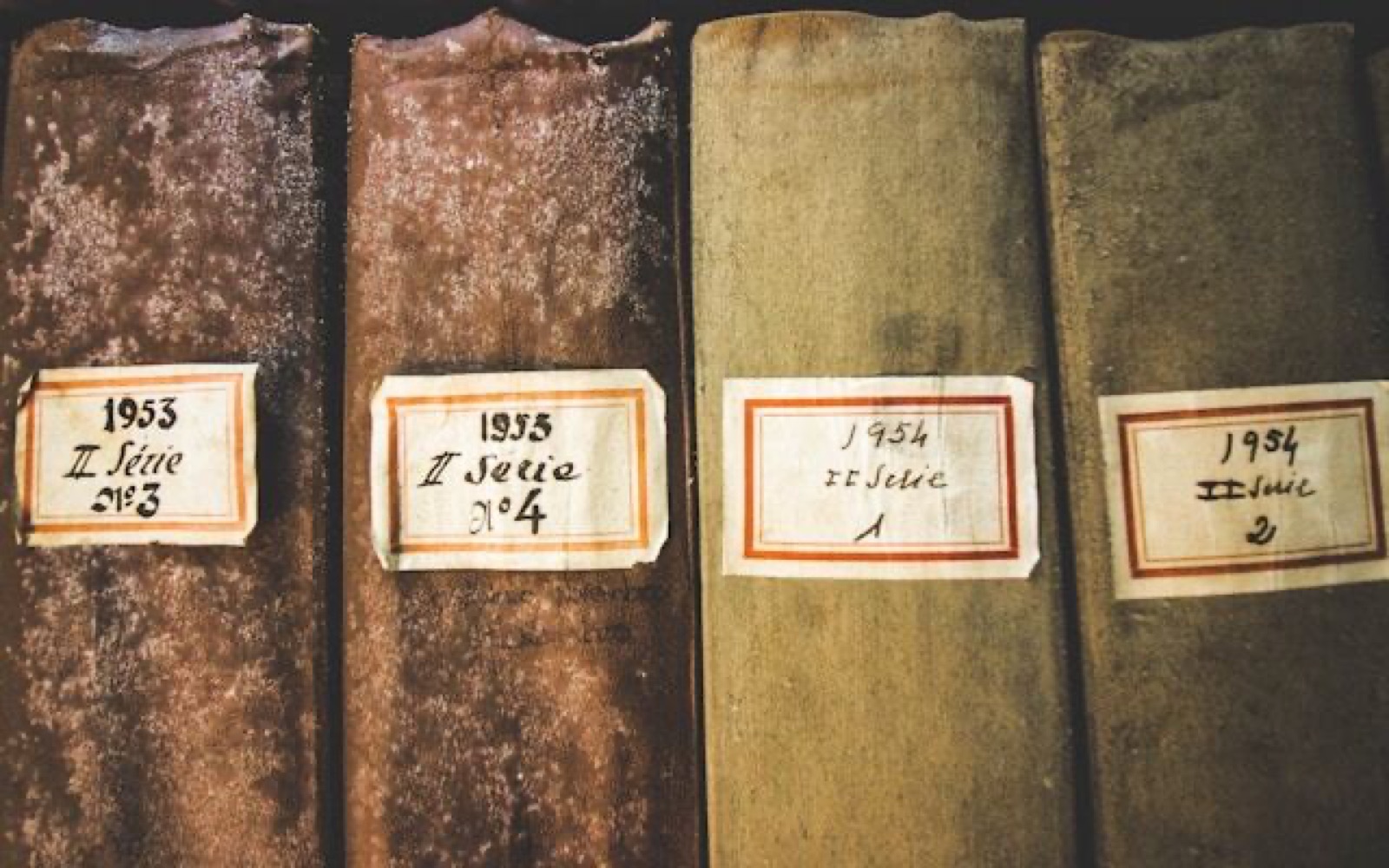
Most genealogical research at some point ends up in an archive. Civil ones for the recent past, church ones for the 18th and 19th centuries, departmental ones for police, military and party records. The structure looks intimidating from the outside, but the logic is consistent: an archive holds what an institution produced, in the order that institution produced it.
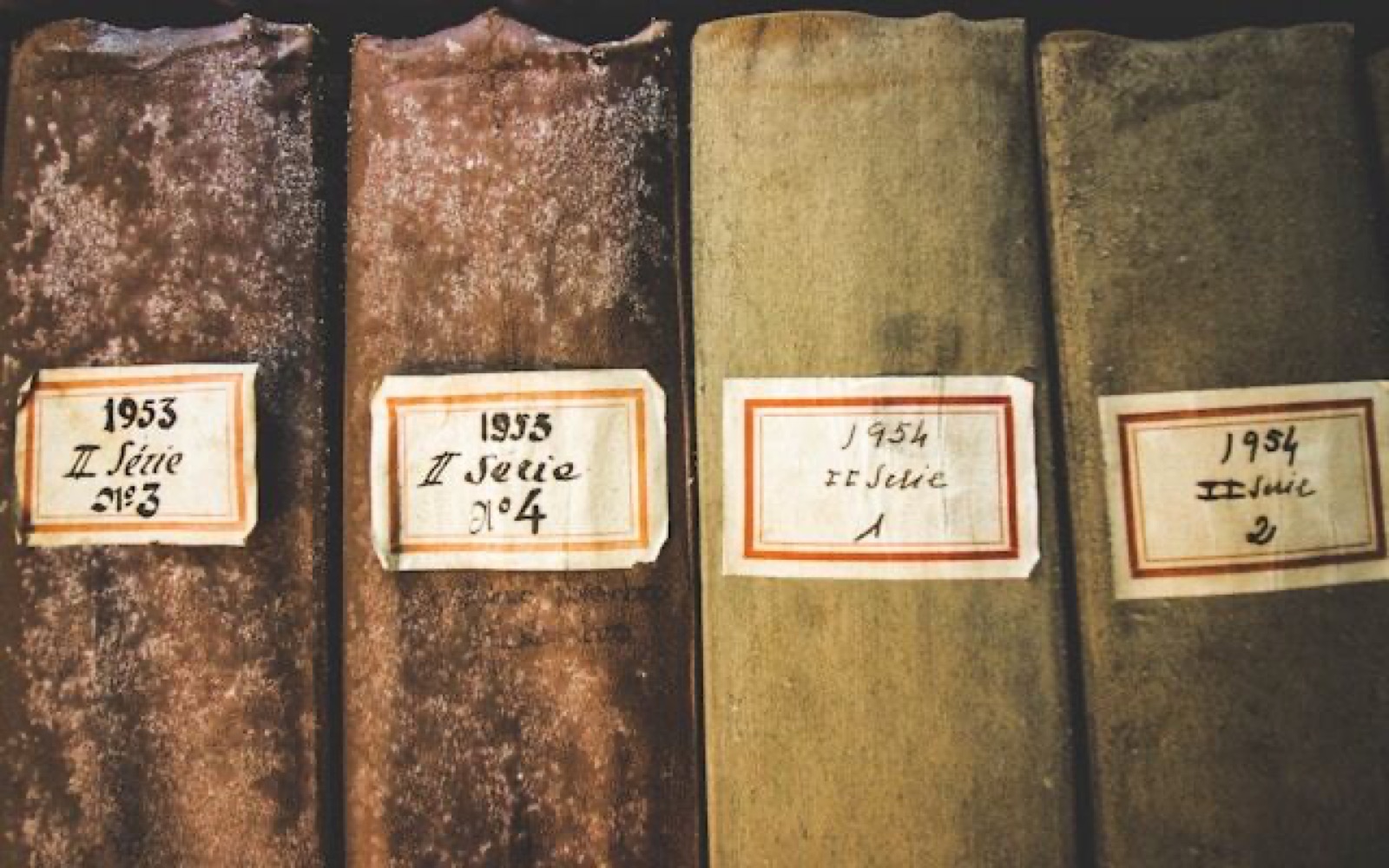
What an archive is, in practice
An archive keeps documents of long-term legal, administrative or historical value. For a family researcher, the documents that matter are birth, marriage and death entries; census-like population lists; military records; court files; employment files; and a long tail of less obvious sources — property records, school registers, party files.
Archives are split by who created the documents. State archives hold records of state institutions. Municipal archives hold records of city and district authorities. Departmental archives belong to specific ministries — defence, internal affairs, security services, justice. Church archives hold parish books and other religious records. Private and corporate archives hold the rest.
Which archive holds what
The mapping is more practical than theoretical. Some examples for the Russian system, with rough analogues elsewhere.
State and federal archives
For pre-1917 ancestry, regional state archives hold the parish books of all churches in their region. They also hold the revision lists — the population enumerations carried out periodically from the 18th century until 1858. For Soviet-period research, the same archives hold local Soviet administrative records, including land allocation, housing, and some employment files.
Civil registry (ZAGS)
After 1917, parish records were replaced by civil registries. ZAGS offices keep birth, marriage, divorce and death records, organised by the locality where the event happened. Records less than 100 years old are usually held by the local ZAGS itself. Older ones are gradually transferred to the state archives. Access is conditional on proving kinship.
Military and security service archives
For WWI and WWII service records, the Central Archive of the Russian Ministry of Defence in Podolsk is the central holding. For Soviet-era political cases, regional FSB archives hold investigation files; regional MVD information centres hold camp records. The two are separate and a typical case file has fragments in both.
Church archives
In Russia, most surviving parish books were transferred from churches to state archives during the Soviet period. A small number remain with the church authorities — usually 20th-century records the state did not take. For Catholic, Lutheran and Jewish records, the picture is messier: some are in state archives, some in religious archives, some in private hands.
Departmental archives
Universities, hospitals, large factories and other long-lived institutions keep their own archives. If an ancestor worked, studied or was treated there, the records are often more detailed than the state copies. Access depends on the institution's current policy.
Documents that genuinely help
Some record types are worth more than others. From a genealogist's point of view, the top ones are:
- parish books — birth, marriage, death entries with parents' names and social class
- revision lists — full household composition with ages, used 1719 to 1858
- civil registry entries — same data, post-1918, in standardised form
- military service records — service history, awards, casualty entries
- court files — biographical detail in witness statements and biographies
- work record books and employment files — every job, every move, every date
- household registers and address books — confirms presence at a date and place
Less useful in isolation, but often the bridge that links two confirmed entries: photographs with inscriptions, school certificates, old-style passports, property deeds, telephone directories, club and society membership lists.
Where to start
Before writing to any archive, exhaust the home archive and the conversations with relatives. Once you have full names, approximate years of birth, and at least one place where the ancestor lived, you can frame a useful query.
Start with the most recent records
Going back in time, the order is: living memory and home archive, civil registry (ZAGS), state regional archive for older records, then departmental archives as needed. Most beginners try to go straight to a 19th-century parish book and discover they don't actually know which parish.
Write the request properly
A request that gets an answer always contains the same elements:
- the full name of the ancestor (with possible spelling variants)
- the year (or narrow range of years) of the event
- the place — administrative unit at the time of the event, not today's name
- the type of event — birth, marriage, death, military service
- a clear statement of what you want — a copy of a specific record, a search across a year range, confirmation of a fact
- your full contact details and proof of kinship where required
A vague request — "please send any information you have on the Petrov family" — will either be ignored or answered with a polite no.
Working remotely vs in person
Most archives accept written queries, but the response is limited in scope. They will look up a specific record at a specific reference, sometimes a narrow range, but they will not do open-ended research for you. For genuine genealogical work — reading through fifty years of parish books to identify the right family — someone has to sit in the reading room. Either you, or someone you delegate.
Digitisation is uneven. Some archives publish their finding aids and a portion of their holdings online. Others publish only the catalogues. Many publish nothing. The trend is toward more digital access, but at any given moment the only safe assumption is that the document you need has not been scanned.
Practical limits
Two limits are worth knowing in advance. First, a lot of records were destroyed — in fires, in evacuations, in the two world wars, in deliberate destruction. The further back you go, the more gaps you find. Second, even surviving records are sometimes restricted for privacy reasons. Personal data is usually accessible to relatives but not to third parties; some categories — for example psychiatric and political investigation files — have longer restriction periods.
Knowing these limits early saves time. A professional consultation will usually tell you within about half an hour whether the records you need exist, are accessible, and are worth pursuing.
In closing
Archive work rewards patience and a methodical approach. It does not reward improvisation. The researchers who succeed are the ones who start with a clear question, work from the recent to the older records, and document their sources as they go. That is also the work pattern that scales — if you ever pass the project on, your spreadsheet of sources is the only thing that lets someone else continue without restarting from zero.