Finding a resettler's place of origin is one of the most interesting and most difficult tasks in genealogy. But it has a clear method, worked out over years of practice.
Step 1. Resettlement lists: the fastest route
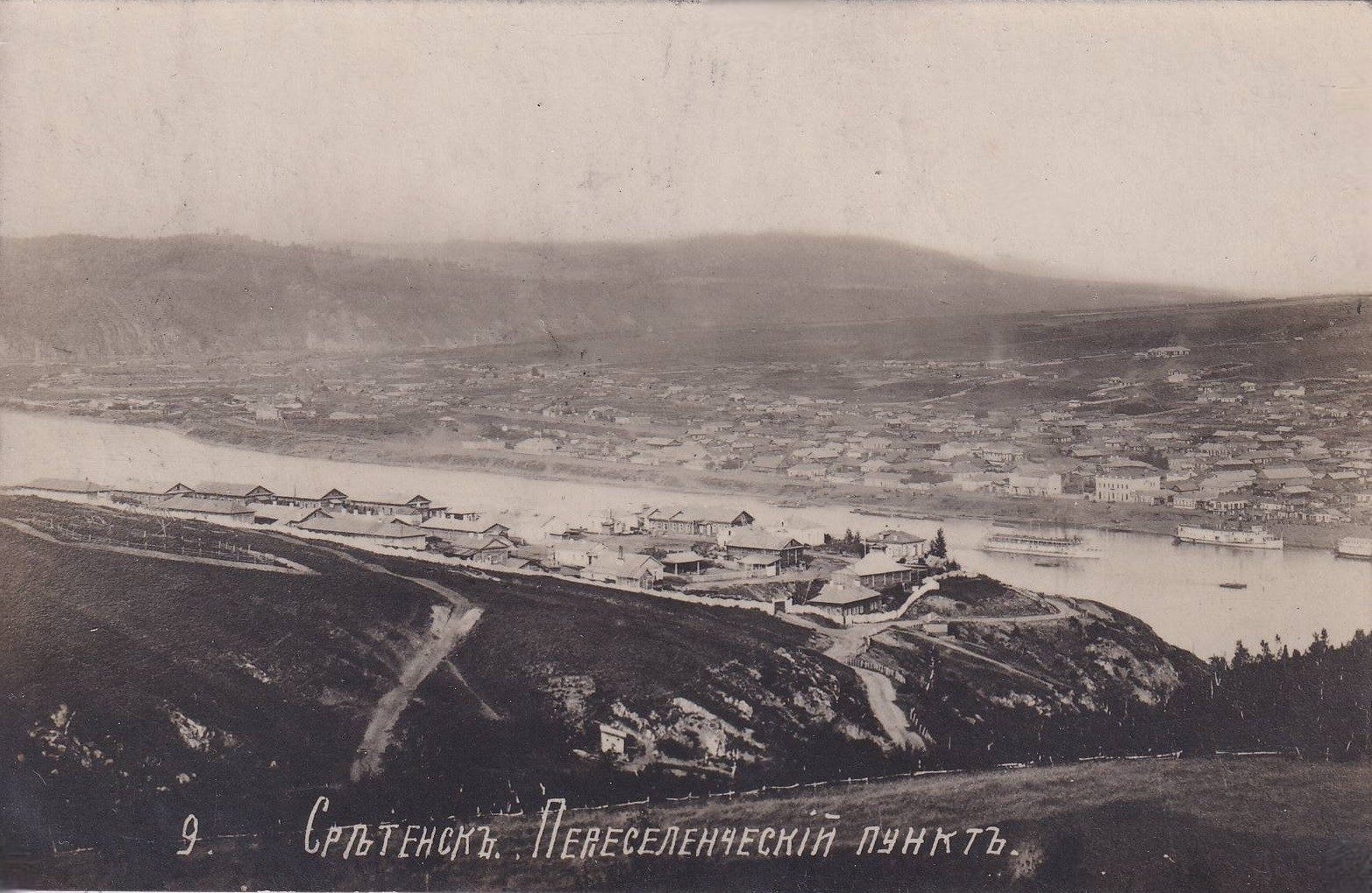
Check the local archives for the family's place of residence after the move: resettlement lists, land-settlement commission papers, land-distribution books, lists of arrivals. If those documents survive, they give the head of household's name, the family makeup and the place of origin. It is the most direct route to a resettler's 'homeland'.
The Altai Genealogical Society's database, 'Alphabetical lists of resettlers from various provinces of the Russian Empire to the Altai Mining District', covers 89,000 surnames for 1883–1908. A resettler's card gives the year of arrival, the place of origin down to the specific village, and the new settlement.
Step 2. Parish registers of the region of arrival
If no resettlement lists survive, turn to the parish registers of the region of arrival. In records of children's births, weddings and deaths made soon after the move, resettlers were often still listed under their old registration, with their former place of residence given. That is a direct key to where the family came from.
Step 3. The 1917, 1920 and 1926 censuses
If the registers do not help, study the 1917 agricultural census. The household cards almost always noted whether the head was an old-settler or a resettler, the year of resettlement and the province of origin. The fonds are in the archives of the Altai region (fond 233), Novosibirsk (fond D-146) and Tomsk (fond F-239).
Step 4. Indirect sources
Censuses gone too? Move to indirect methods. List the resettler's children and find the eldest, those who could have been born before the move, in the old home. Look for their personal, employment and Party files in the regional archives: autobiographies and questionnaires almost always gave a place of birth.
If someone in the family lived in an apartment block, check the house registers for that address; they recorded a resident's place of birth. If an ancestor died after 1970, order a new-format death certificate from ZAGS: the act record almost always stated the place of birth, even when the certificate itself had no such column.
The Antroponimikon database for old-settlers
If you do not know whether your ancestors were resettlers or 'native' Siberians, check the Antroponimikon database. It holds a register of old-settler peasant surnames of the Altai Mining District from the mid-19th century: 2,396 surnames from 1,306 settlements. If your surname is there, they were probably old-settlers. If not, probably resettlers.
From practice: when the 'neighbouring village' was thousands of kilometres away
Our client knew from his grandmother that near their village of Zevakino (East Kazakhstan) there was 'the village of Shishka, where people went to visit'. No Shishka appeared on the maps anywhere near, not within 50 or 100 kilometres. The answer came from resettlement papers: the ancestors had come from Mirgorod district, Poltava province, where there was a real village of Shishka. The grandmother had been talking about the homeland, not the neighbours. Several thousand kilometres lay between Zevakino and Shishka, tied together for good by one family's history.
Looking for where your ancestors came from? The genealogists at Family Relic know every step of this route. Request a search at myrodoslovie.ru